Andrew received up to £2,000 per month from sub-letting, watchdog reports
Source Entity
BBC News
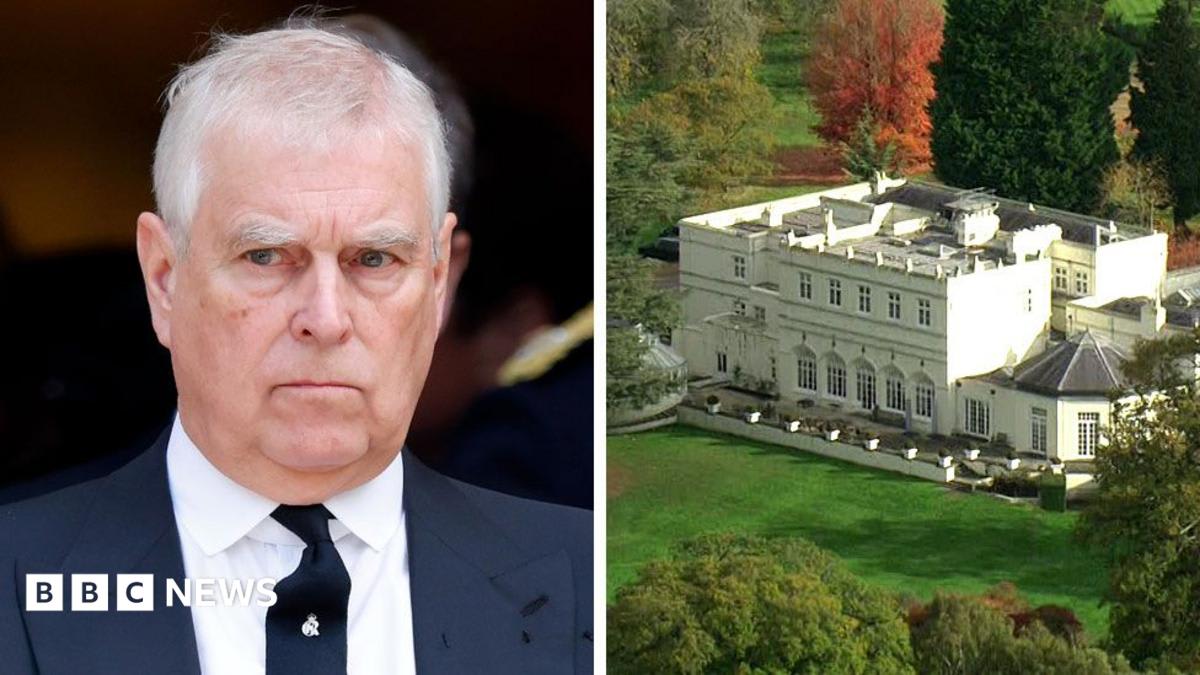
A Public Accounts Committee report reveals Prince Andrew profited from sub-letting Crown Estate cottages, pocketing up to £2,000 monthly. MPs are now calling for a ban on such sub-letting practices to ensure greater accountability for royal property assets.
Scrutiny Over Royal Property Management
A recent report from the Public Accounts Committee (PAC) has brought to light questionable financial practices involving Prince Andrew, specifically regarding the sub-letting of properties under the Crown Estate. The findings indicate that the former prince generated up to £2,000 per month by sub-letting three cottages that were intended for staff housing. Critically, this rental income was retained by Mountbatten-Windsor rather than being directed back to the Crown Estate, the legal landlord of the property.
The Mechanics of the Lease Agreement
While the Crown Estate had previously informed Members of Parliament that they lacked oversight regarding the specific rental rates charged by the tenant, they confirmed that sub-letting was technically permitted under the terms of the lease. This arrangement highlights a significant administrative gap in how Crown properties are managed. The fact that these units, intended to be provided at below-market rates, were being utilized for personal profit raises ethical questions about the stewardship of national assets by members of the royal family.
Parliamentary Recommendations for Reform
In response to these revelations, the Public Accounts Committee has issued a formal recommendation to overhaul the current policy. Moving forward, the Committee suggests that the default position for all Crown Estate properties should be a strict prohibition on sub-letting. Exceptions would only be permitted if a specific, transparent exemption is granted. This move aims to prevent future instances where royal tenants might leverage government-owned property for private financial gain, ensuring that public or semi-public assets are handled with greater fiscal responsibility.
Financial Departures and Lease Surrender
The report also provides clarity regarding the financial implications of Mountbatten-Windsor’s departure from Royal Lodge. The committee confirmed the existence of a payment amounting to approximately £300,000, which was owed to him as a result of the early surrender of his lease. The intersection of this payout and the previously undisclosed sub-letting income complicates the narrative regarding the financial relationship between the monarchy and the Crown Estate.
Broader Implications for the Crown Estate
This incident serves as a catalyst for a broader discussion regarding the transparency of the Crown Estate. As an entity that generates revenue for the public purse, the management of its real estate portfolio is subject to intense public interest. The PAC’s intervention signifies a shift toward more rigorous oversight, suggesting that the era of 'gentleman's agreements' in royal property management is coming to an end. Future trends will likely favor digitized, centralized monitoring systems to ensure that lease terms are strictly adhered to and that revenue streams are accurately accounted for.
Conclusion
The findings underscore a critical need for modernization in royal asset management. By recommending a ban on sub-letting, the Public Accounts Committee is signaling that the internal financial dealings of royals must meet the same standards of accountability as any other entity managing state-related assets. This development marks a pivotal moment in the ongoing efforts to ensure the Crown Estate remains above reproach in its fiduciary duties.