Top Democrats call to rein in AI buildout after midterms sweep: 'National data center moratorium now'
Source Entity
US Top News and Analysis
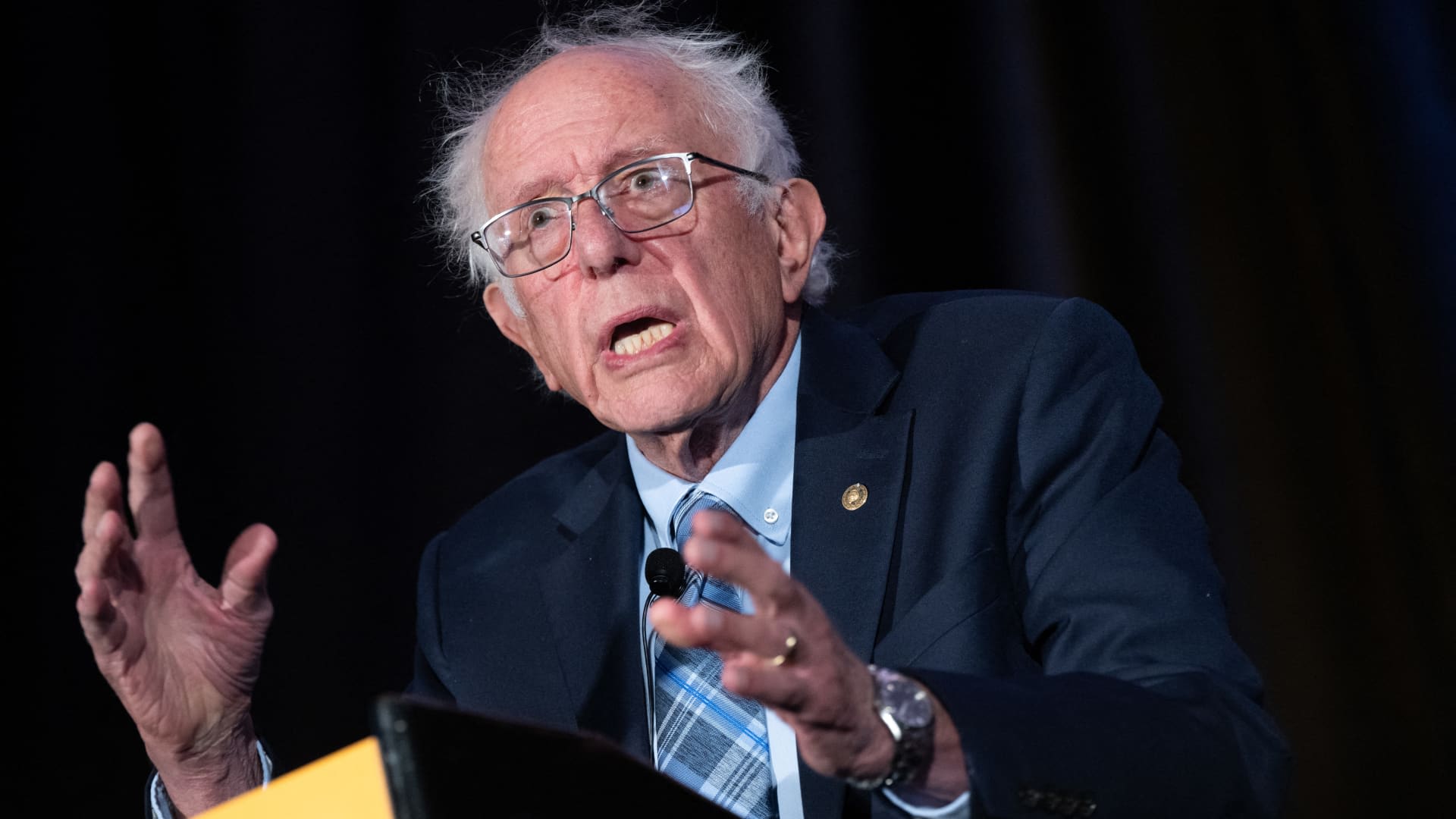
The 2026 US midterm elections resulted in significant Democratic gains, including flipping control of the House and securing key Senate seats. These results represent a major legislative check on President Trump's agenda amidst widespread voter dissatisfaction.
A Political Sea Change: Analyzing the 2026 Midterm Results
The 2026 United States midterm elections have concluded with a dramatic shift in the legislative landscape, signaling a profound rebuke of the current administration. Democrats successfully flipped control of the House of Representatives and secured critical victories in the Senate, including flipping seats in North Carolina. These results serve as a direct response to a political climate defined by intense voter dissatisfaction and a plummeting approval rating for President Donald Trump.
The Erosion of Republican Dominance
The Republican Party’s inability to distance itself from the President’s polarizing rhetoric proved fatal in key battleground districts. Across the nation, voters leveraged the ballot box to address escalating cost-of-living concerns and widespread frustration regarding an unpopular war in Iran. By successfully flipping six Republican-held House seats—including notable victories for Bob Brooks in Pennsylvania’s 7th and Janelle Stelson in Pennsylvania’s 10th—the Democratic Party has effectively dismantled the GOP’s legislative firewall.
Strategic Senate Flips and State Victories
Beyond the House, the Senate landscape witnessed a notable transformation. The victory of Roy Cooper in North Carolina and the success of Annie Andrews underscore a broader trend of Democrats capturing ground in historically competitive or Republican-leaning territories. By winning the governorship in Georgia and securing gains in states like Iowa and Kentucky, the Democratic coalition has effectively neutralized the momentum the Republican Party hoped to maintain two years into the current presidential term.
Economic Implications and Voter Sentiment
Financial markets and individual households are bracing for the consequences of this power shift. As the results are tabulated, the focus shifts to how a divided Washington will impact fiscal policy. With the Democratic Party now poised to act as a check on executive power, investors are weighing the potential for legislative gridlock against the possibility of new economic relief measures aimed at the cost-of-living crisis that dominated the campaign cycle.
A New Era of Executive Oversight
For President Trump, these midterms represent the most significant challenge to his authority since his return to the White House. The loss of House control means the administration will face rigorous oversight and a far more difficult path for its legislative agenda. As the party grapples with the fallout, the 2026 election will likely be remembered as the moment the electorate demanded a fundamental pivot in national leadership and policy direction.
Multiple Citing Sources