
Why do we insist on viewing electronic waste as a terminal failure of design? For decades, the narrative surrounding e-waste has been one of toxicity and environmental crisis, a linear descent from a shiny consumer product to a leaching heap of lead and mercury. But in the studios of Nairobi, this perspective is being aggressively dismantled. Designers are no longer treating discarded circuit boards and copper wiring as pollutants to be managed, but as the raw minerals of a new, urban geology. By pivoting from waste management to aesthetic reclamation, these collectives are turning the byproduct of a digital boom into high-fashion sculpture that commands attention in galleries and on runways alike.
The Paradox of the Tech Boom
The surge in creative reclamation is not happening in a vacuum; it is a direct response to Nairobi's meteoric rise as a global tech hub. In Q3 2025 alone, Nairobi attracted $536 million in funding, accounting for 54.2% of all startup funding on the African continent (Source: Global Startup Ecosystem Report, 2026). While this capital influx accelerates digital trade and e-commerce—which is projected to grow at a 10.1% CAGR between 2025 and 2029 (Source: Global Startup Ecosystem Report, 2026)—it also accelerates the cycle of hardware obsolescence. The more the city scales its digital infrastructure, the more 'silicon scrap' it generates. The design collectives are essentially mining this growth, capturing the physical residue of venture capital to create art that critiques the very speed of the innovation driving it.
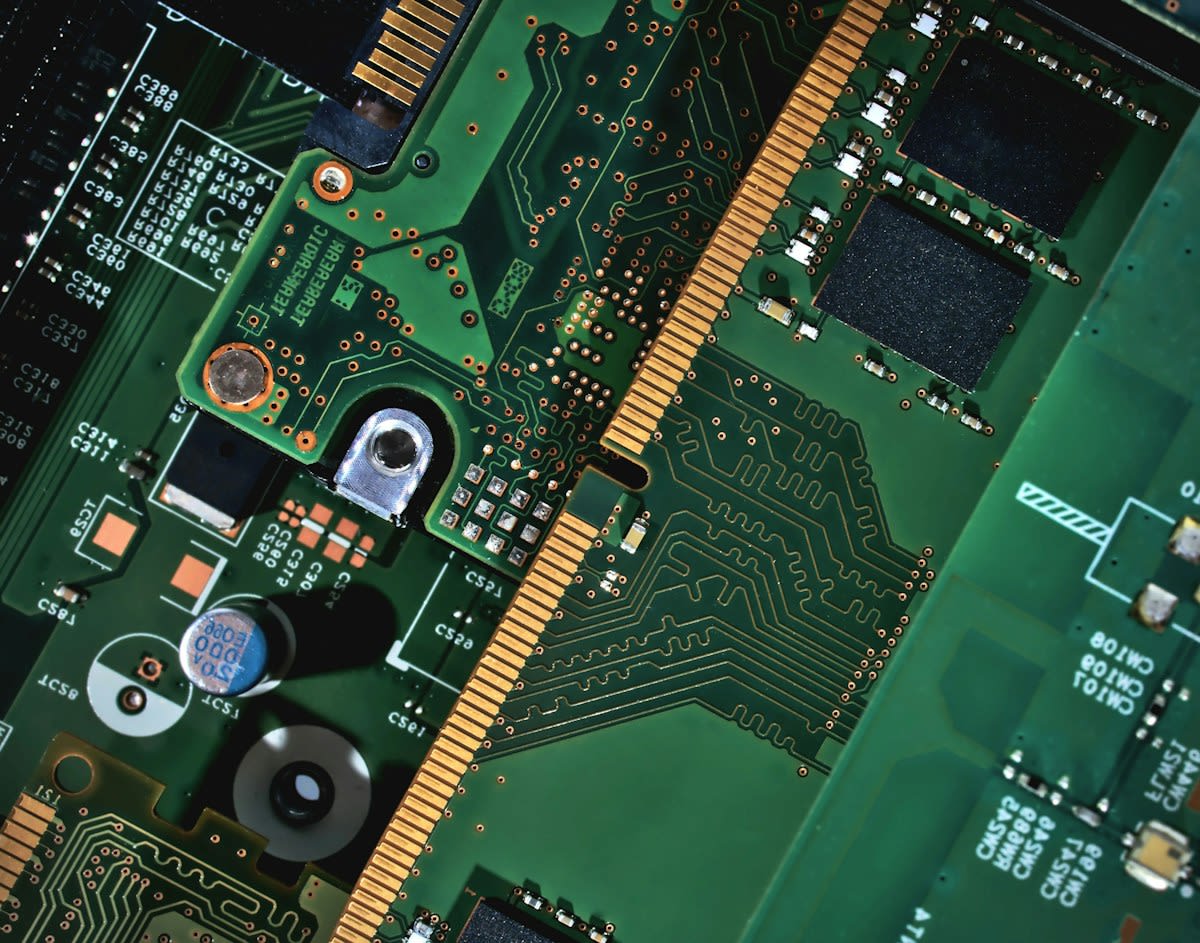
This shift represents a move toward a holistic approach to waste, mirroring broader international efforts to integrate socio-economic factors into pollution control. The movement aligns with the United Nations Environment Programme's focus on inclusive approaches that recognize the critical roles of youth and informal waste workers in achieving zero waste (Source: UNEP, 2026). By elevating the status of e-waste from 'trash' to 'couture,' these designers are not just making art; they are repositioning the informal waste picker as a primary supplier for the luxury market. It is a radical reconfiguration of the value chain where the lowest-paid worker in the waste hierarchy becomes the essential link to high-end artistic production.
"UNEP promotes a holistic approach that begins with waste reduction and reuse, and supports the introduction of environmentally sound technologies for waste management... embracing the intersection of gender and waste and promoting inclusive approaches that recognise the roles of informal waste workers and youth in achieving zero waste."— UNEP, Moving towards zero waste report
Is this merely a trend in aestheticism, or is it a scalable economic model? The friction lies in the transition from a small-scale collective to a sustainable industry. From a practitioner's perspective, the struggle isn't the design—it's the logistics of purity. Insiders in the Nairobi scene frequently debate the tension between 'authentic' waste sourcing and the need for standardized materials. There is an invisible friction in negotiating with informal collectors who may not understand the specific aesthetic requirements of a high-fashion sculpture, creating a clash between the grit of the scrapyard and the sterility of the art gallery. The real work happens in the sorting sheds, where the 'curation' of waste begins long before a tool touches the material.
A Global Blueprint for Circular Luxury
Nairobi's movement is part of a wider, fragmented global shift toward 'upcycling into value.' Similar patterns are emerging across the continent and in Europe, though the motivations differ. In Côte d'Ivoire, the AGNON project has already demonstrated the power of this approach by partnering with fashion training schools to create upcycled pieces, emphasizing the social and environmental impact of second-hand clothing (Source: Sustainability Local Report Côte d'Ivoire, 2025). Meanwhile, in Europe, the discourse has shifted toward rigorous 'end-of-waste' criteria, where life cycle assessments are used to prove that recycling always offers environmental benefits compared to landfilling or incineration (Source: EU-wide end-of-waste criteria, 2026).
| Approach | Primary Goal | Value Driver | Key Metric |
|---|---|---|---|
| Traditional Recycling | Waste Volume Reduction | Material Recovery | Tonnage Diverted |
| Circular Design (Nairobi) | Value Addition | Aesthetic/Cultural Capital | Market Valuation of Art |
| Industrial Upcycling (EU) | Resource Efficiency | Life Cycle Impact | Carbon Footprint Reduction |
The distinction here is critical: while the EU focuses on the technical 'end-of-waste' status to ensure safety and efficiency (Source: EU-wide end-of-waste criteria, 2026), the Nairobi collectives are leveraging the 'waste' status as a narrative tool. The fact that a sculpture was once a discarded server from a fintech startup adds a layer of conceptual depth that a virgin material cannot provide. This is the 'circular economy' in its most aggressive form—not just recovering materials, but recovering the story of the material to create new economic value.
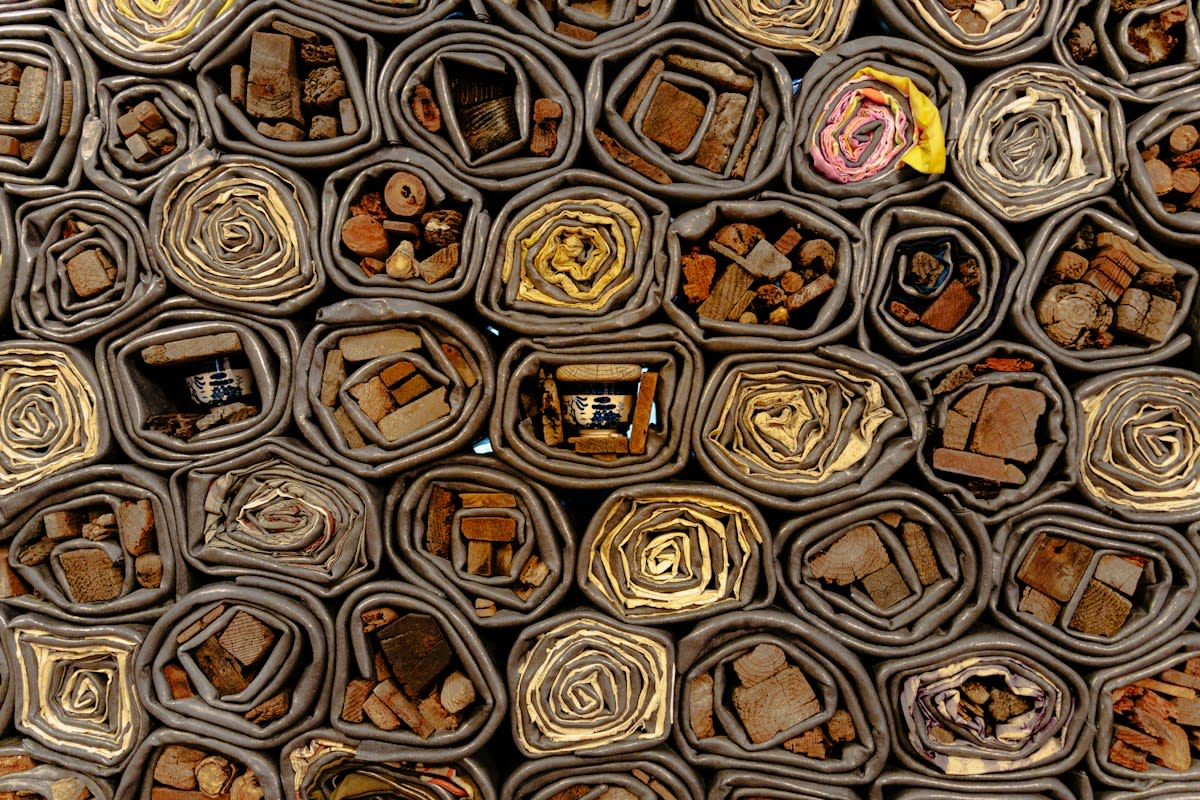
Financing the Future of Waste
For this movement to move beyond the gallery, it requires a shift in how 'green financing' is structured. Modern sustainability frameworks are beginning to embed circular economy principles through member audits and collaboration workshops (Source: Sustainability Report 2026, MCB Group). The opportunity now lies in linking the high-growth venture capital of Nairobi's tech sector with the regenerative potential of its art collectives. If the firms generating the e-waste are the ones financing the artists reclaiming it, the loop closes perfectly. We are seeing the emergence of a model where 'Extended Producer Responsibility' is not a regulatory burden, but a creative partnership.
- Integration of informal waste workers into the luxury supply chain.
- Utilization of high-growth tech funding to support regenerative art.
- Shift from volume-based recycling to value-based upcycling.
- Application of life cycle assessments to prove the environmental benefit of art over landfilling.
Ultimately, the work coming out of Nairobi challenges the global North's assumption that waste is something to be 'exported' or 'processed.' Instead, it posits that waste is a resource of immense creative and financial potential. By treating the city as a mine and the landfill as a library of forms, these designers are proving that the most sustainable way to handle the future of technology is to turn its ghosts into gold.
Fact-Check & Accuracy Note
Key claims regarding Nairobi's venture capital surge and e-commerce growth are sourced from the Global Startup Ecosystem Report (2026). Environmental frameworks and inclusive waste strategies are attributed to UNEP (2026). The comparison with Côte d'Ivoire's upcycling projects is based on the Sustainability Local Report (2025). The debate over 'end-of-waste' criteria is sourced from the JRC EU-wide report (2026).
Editorial Note
This report intentionally avoids the 'crisis' framing of e-waste. While the toxicity of electronics is a documented fact, the editorial focus here is on the adaptive capacity of Nairobi's creative class to turn a systemic byproduct into a competitive advantage.