As the Maldives diversifies its foreign policy, India should make red lines clear
Source Entity
The Indian Express
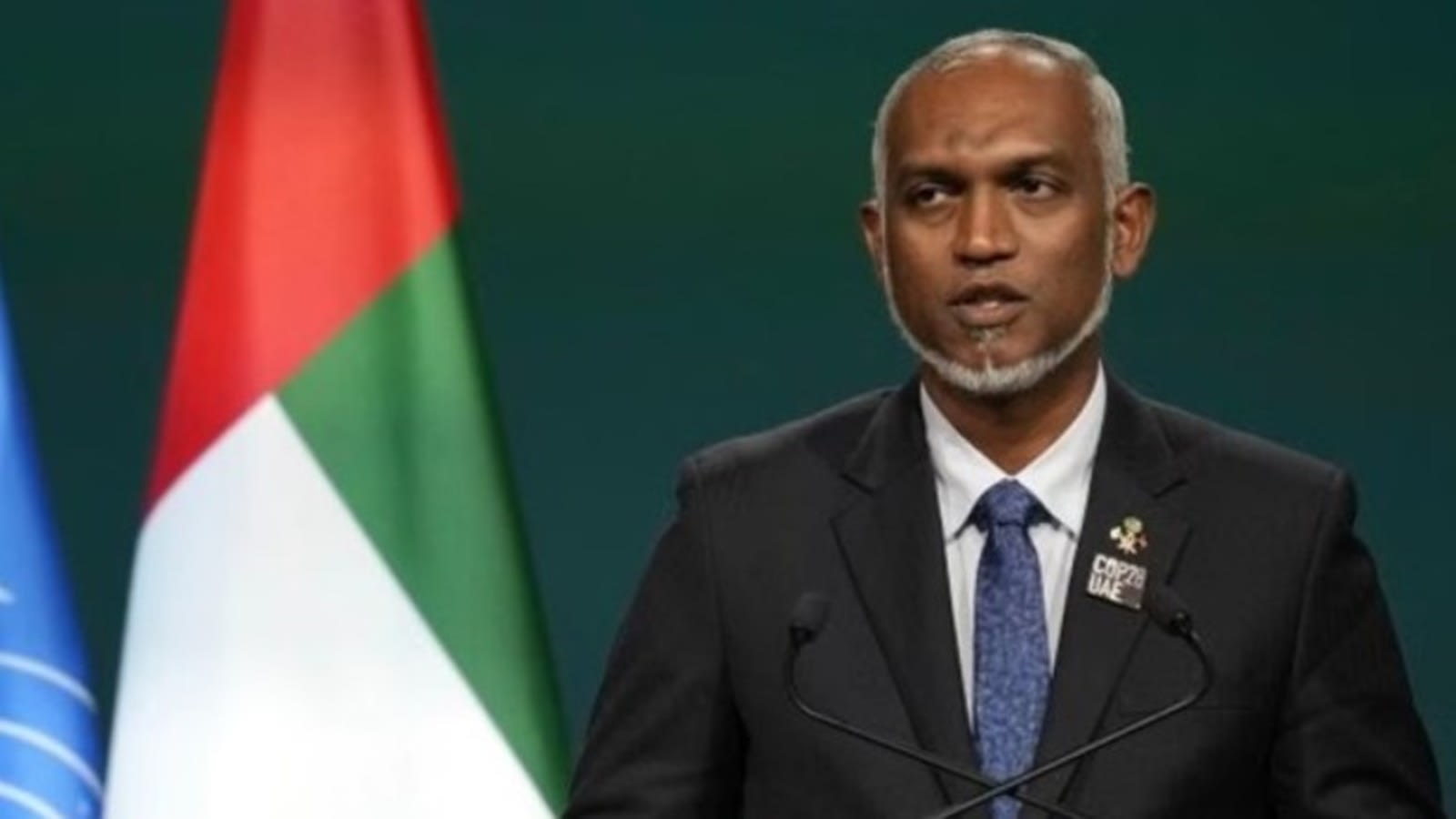
Maldives President Mohamed Muizzu's recent state visit to Pakistan marks a strategic pivot toward diversifying foreign relations. This shift poses potential challenges for India's regional security and necessitates a clear definition of diplomatic red lines.
The Shifting Sands of Maldivian Foreign Policy
Maldives President Mohamed Muizzu’s recent three-day state visit to Pakistan represents a significant recalibration of Maldivian foreign policy. By signing 20 Memoranda of Understanding (MoUs) covering diverse sectors such as cybersecurity, defense, and maritime security, the administration is signaling a departure from its traditional reliance on India. This move is not merely administrative; it is a calculated effort to broaden the Maldives' geopolitical footprint and align more closely with other Sunni Muslim nations.
Economic Ambitions and Strategic Diversification
Central to this diplomatic outreach is a bold economic agenda. With the aim of increasing bilateral trade from a modest $13 million to a target of $200 million within the next two years, the Maldives is aggressively seeking new investment corridors. The establishment of direct flight paths and the hosting of a dedicated business forum highlight the administration's commitment to reducing economic dependency. This diversification strategy suggests that the Maldives is looking to leverage its strategic position in the Indian Ocean to attract competitive capital from varied international partners.
The Security Implications for India
For India, these developments present a complex strategic challenge. Historically, India has served as the primary security and development partner for the Maldives, often accommodating the island nation's needs to maintain regional stability. However, the inclusion of defense and maritime security cooperation in the new agreements with Pakistan introduces new variables into the Indian Ocean security architecture. As the Maldives pivots, New Delhi must evaluate how these external partnerships might impinge upon its own long-term interests in the region.
Defining Regional Red Lines
As the geopolitical landscape evolves, there is an increasing necessity for India to clearly articulate its red lines. The transition toward a more multipolar engagement strategy by the Maldives does not necessarily preclude a relationship with India, but it does require a more disciplined approach to diplomatic communication. India must navigate the delicate balance of maintaining a 'neighborhood first' policy while ensuring that its own maritime and national security interests remain protected against potential encroachment by third-party actors.
Future Trends and Diplomatic Balancing
Looking ahead, the success of Muizzu’s strategy will depend on the Maldives' ability to manage competing influences without alienating its traditional partners. Conversely, India’s future influence in the Maldives will likely be dictated by its ability to provide competitive development alternatives and maintain robust, transparent communication channels. The coming years will serve as a litmus test for whether the Indian Ocean can remain a zone of collaborative engagement or if it will become a theater for intensified competition between regional powers.