Artificial intelligence and the friction paradox
Source Entity
Latest News: Todays Latest News Headlines from India & World | Hindustan Times | Hindustan Times
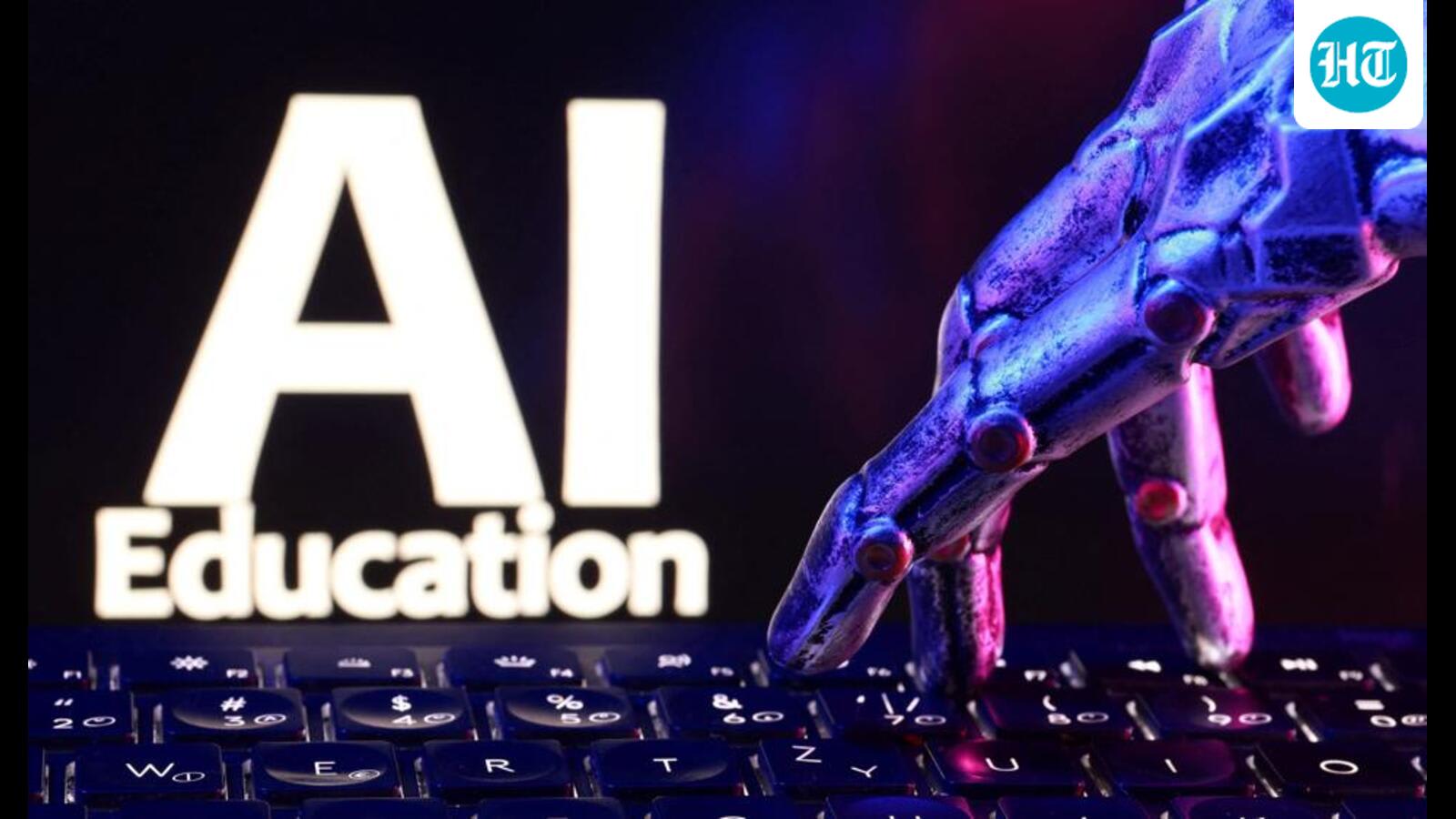
The 'friction paradox' highlights how removing cognitive effort through AI tools may lead to long-term atrophy of essential human skills. While immediate efficiency gains are apparent, the hidden cost is the gradual loss of mastery and independent problem-solving capabilities.
The Friction Paradox: Efficiency at the Cost of Mastery
In our modern quest for frictionless living, we have embraced digital tools that handle our most mundane tasks with unprecedented speed. From GPS navigation to automated content generation, technology is designed to streamline our daily workflows. However, this convenience introduces what is increasingly known as the 'friction paradox': the immediate, tangible benefits of saved time and effort are often outweighed by the slow, invisible erosion of human capability and critical thinking skills.
The Historical Precedent of Navigational Atrophy
To understand the current AI landscape, one must look at the transition from analog to digital navigation. Before the ubiquity of smartphones, getting lost was a common occurrence that necessitated active engagement with one’s environment. Asking for directions or reading physical maps required spatial reasoning and environmental awareness. Research from McGill University confirms that heavy reliance on GPS leads to poorer spatial memory, proving that when we outsource our navigation to algorithms, we lose the mental mapping skills that define our relationship with physical space.
Scaling the Paradox to Cognitive Domains
While GPS merely manages our physical movement, modern Artificial Intelligence aims to manage our cognitive processes—our thinking, research, and synthesis of information. The danger lies in the scale of this intervention. If navigation is the first casualty of digital friction removal, then high-level knowledge synthesis is the next. By offloading the 'friction' of deep research and analytical struggle to AI, we risk losing the very cognitive processes that foster expertise and intellectual independence.
The Challenge of Measuring Long-Term Atrophy
One of the most insidious aspects of the friction paradox is the difficulty of measurement. The 'savings' provided by AI—such as the time saved drafting an email or summarizing a report—are immediate and quantifiable. Conversely, the cost of this efficiency is a 'lost capability' that may not surface for years. Because this decline is gradual, society lacks the metrics to track how much human agency is being sacrificed on the altar of productivity until the skills have already significantly degraded.
The Necessity of Productive Struggle
History suggests that learning is inextricably linked to the struggle of acquiring knowledge. When we bypass the 'friction' of synthesis, we miss out on the neural connections formed during the process of grappling with complex problems. This paradox suggests that the effort we are so eager to remove is, in fact, the essential ingredient for human growth. If we automate the process of 'doing,' we may find ourselves with highly efficient tools but a diminished workforce capable of only surface-level interaction with their domains.
Conclusion: Navigating the Future
Ultimately, the friction paradox forces a reevaluation of our relationship with AI. If we continue to prioritize the elimination of all friction, we risk creating a future where technological dependency replaces human expertise. To mitigate this, we must recognize that some forms of effort are not obstacles to be removed, but essential exercises for the mind. Protecting our cognitive autonomy requires a conscious choice to embrace the 'friction' of learning and thinking for ourselves, even when an easier path is readily available.
Verification Required?