Palmer Luckey’s Anduril is getting into laptops — and claims they’ll be American-made
Source Entity
Antonio G. Di Benedetto
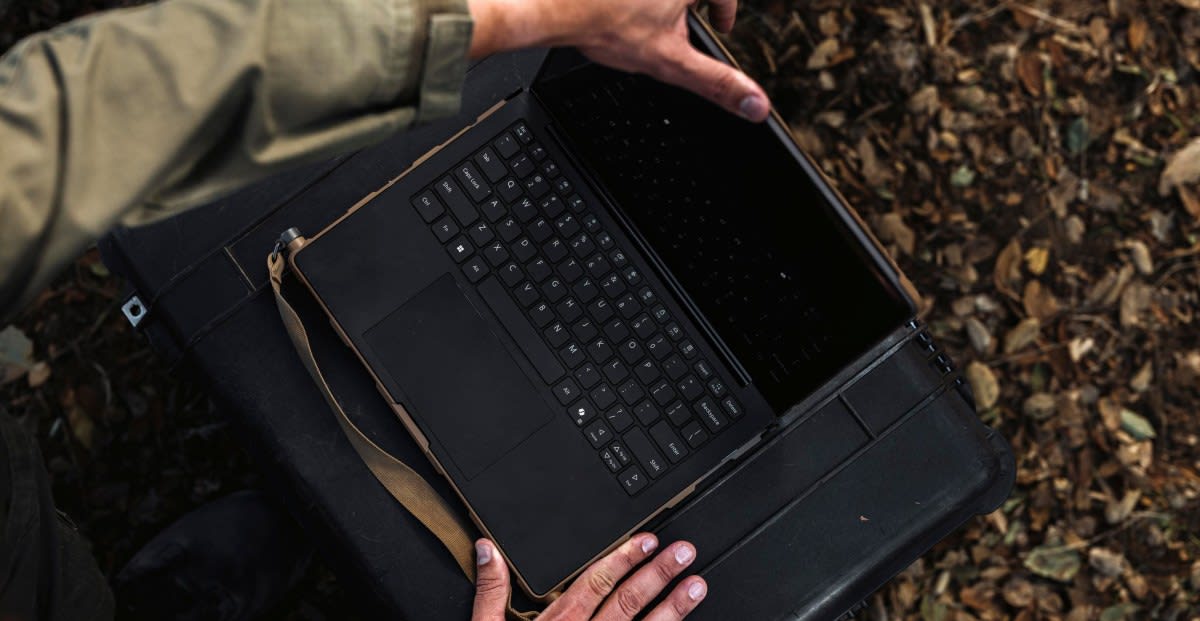
Anduril and Qualcomm have announced a partnership to produce 'BlueChip,' a series of ruggedized, US-made laptops aimed at military and government use. While initial models will be assembled in Ohio, the long-term goal is to onshore the production of every individual component currently sourced from overseas.
The Shift Toward Domestic Hardware Sovereignty
Anduril Industries, the defense technology firm founded by Palmer Luckey, has announced an ambitious partnership with Qualcomm to develop a new line of laptops dubbed 'BlueChip.' Scheduled for a 2027 launch, this initiative represents a significant pivot for the defense contractor as it seeks to address the vulnerabilities inherent in the globalized technology supply chain. By focusing on ruggedized hardware powered by Arm-based Snapdragon X series chips, the collaboration aims to provide the U.S. military, government agencies, and first responders with equipment designed to withstand extreme environments.
Challenges in the Global Supply Chain
The current landscape of laptop manufacturing is heavily reliant on a complex network of suppliers spanning China, Taiwan, and other international hubs. Anduril’s entry into this space is a direct response to the security risks posed by this dependency. While the initial BlueChip units will be 'designed and assembled in the United States' at Anduril’s Arsenal-1 facility in Ohio, the company acknowledges that this is merely the first step. True domestic production remains a long-term, arduous goal that requires re-establishing manufacturing capabilities that have been absent from the U.S. for decades.
The Vision of Total Onshoring
Palmer Luckey’s stated mission extends far beyond simple final-stage assembly. The ultimate goal is to bring the production of every individual component—many of which are currently exclusive to Chinese manufacturing—back to American soil. This represents a monumental shift in industrial policy. By attempting to localize the entire bill of materials, Anduril is challenging the economic status quo of the consumer electronics industry, which has long prioritized cost-efficiency through global outsourcing over national security considerations.
Military and Tactical Utility
The choice to start with a 'hardened' laptop suggests that Anduril is targeting a niche market where security and durability outweigh the typical consumer-grade requirements for thinness or low cost. By utilizing Qualcomm’s Snapdragon X series, these devices are poised to leverage the efficiency of Arm architecture, which is increasingly essential for edge computing in tactical scenarios. For the military and law enforcement, the assurance of a supply chain free from foreign tampering is a critical operational advantage.
Future Implications for Hardware Manufacturing
The success of the BlueChip project will likely hinge on Anduril's ability to navigate the complex logistics of component manufacturing. As technical details remain sparse and the company continues to contract its supply chain, the industry will be watching to see if the U.S. can realistically support such a high-tech manufacturing ecosystem. If successful, this could set a new precedent for 'Made in the USA' electronics, potentially forcing a broader industry-wide re-evaluation of supply chain resilience in the face of rising global geopolitical tensions.
Conclusion: A Strategic Gamble
Anduril’s venture into laptop production is more than just a product launch; it is a strategic assertion of technological autonomy. By aligning with Qualcomm and investing in domestic facilities like Arsenal-1, the company is positioning itself at the forefront of the movement to reclaim critical hardware manufacturing. While 2027 is a distant horizon, the commitment to fully onshoring component production marks a definitive attempt to decouple essential government technology from foreign reliance.