Two charged with national security offences over RAF Fairford incident
Source Entity
BBC News
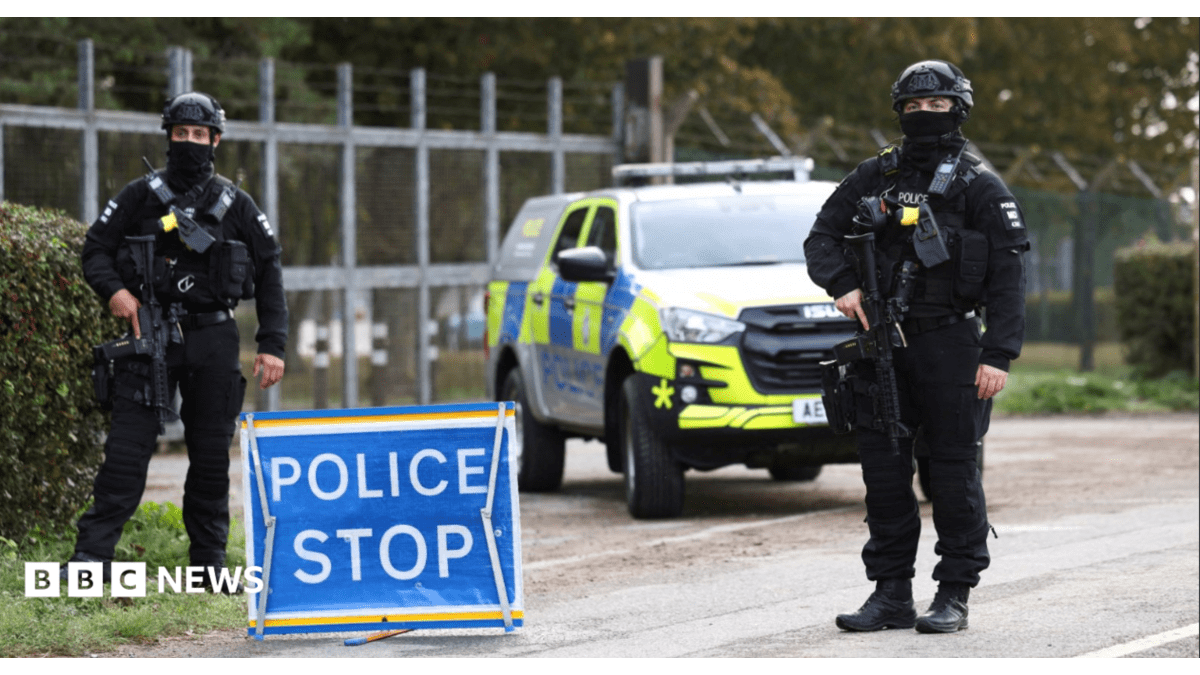
Two British nationals have been charged with national security offenses following suspicious activities near the US-operated RAF Fairford airbase. Authorities allege ties to Iranian intelligence, sparking a significant security response involving police cordons and investigations into potential sabotage.
Security Breach at RAF Fairford: A Deep Dive into National Security Charges
Recent legal developments have brought significant national security concerns to the forefront following the charging of two British nationals, Mohmed Ahmad Abdulkarim and Nouman Essghir, in connection with an incident at the RAF Fairford airbase in Gloucestershire. The facility, which is operated by the United States Air Force, serves as a critical strategic node for Western military operations, making any unauthorized activity near its perimeter a matter of intense concern for UK counter-terrorism and intelligence agencies.
The Charges and Alleged Foreign Involvement
The charges leveled against the two 24-year-old men highlight the escalating threat of foreign interference on British soil. Mohmed Ahmad Abdulkarim faces the serious accusation of assisting Iran's intelligence service, a charge that underscores the persistent efforts by foreign state actors to gather sensitive information or conduct disruptive operations against Western military infrastructure. Meanwhile, Nouman Essghir has been charged with entering a prohibited place for a purpose prejudicial to the UK, pointing to a coordinated effort to breach security protocols at a highly sensitive site.
Operational Security and the September Incident
The gravity of the situation was made evident in late September when three suspicious vans were observed in the vicinity of the airbase. The subsequent discovery of petrol inside these vehicles prompted law enforcement to establish a massive security cordon for several days. This response indicates that authorities treated the threat as a potential act of sabotage or a precursor to a more significant kinetic attack, rather than simple trespassing. The presence of flammable materials near a strategic military asset naturally triggers high-level security protocols designed to prevent catastrophic damage.
The Wider Context of State-Sponsored Espionage
This incident does not occur in a vacuum; it is part of a broader, concerning trend of state-sponsored espionage and surveillance targeting military installations. The involvement of foreign intelligence services, as alleged in the case of Abdulkarim, suggests a sophisticated attempt to monitor or compromise the activities at RAF Fairford. Historically, airbases like Fairford have been focal points for intelligence gathering due to their role in hosting allied aircraft and supporting international security missions. Protecting these sites requires constant vigilance against both physical intrusions and cyber-surveillance.
Implications for UK-Iran Relations
The legal proceedings against these individuals are likely to further strain diplomatic relations between the United Kingdom and Iran. As the case moves through Westminster Magistrates' Court, the evidence presented will be scrutinized not just for its criminal implications, but for its geopolitical ramifications. The fact that a third suspect, a UK-Iranian national, was re-arrested and subsequently released indicates the complexity of these investigations, as intelligence agencies navigate the difficult task of distinguishing between criminal intent and potential state-directed subversion.
Future Trends in Base Security
Looking forward, this incident will likely lead to a comprehensive review of security perimeters at US-operated bases in the UK. We can expect an increase in surveillance, stricter access controls, and enhanced coordination between local police and national counter-terrorism units. As the landscape of modern warfare shifts toward 'gray zone' tactics—where foreign actors use non-military or covert means to undermine national security—the UK must adapt its defensive posture to protect its strategic assets from individuals acting on behalf of hostile foreign entities.
Multiple Citing Sources