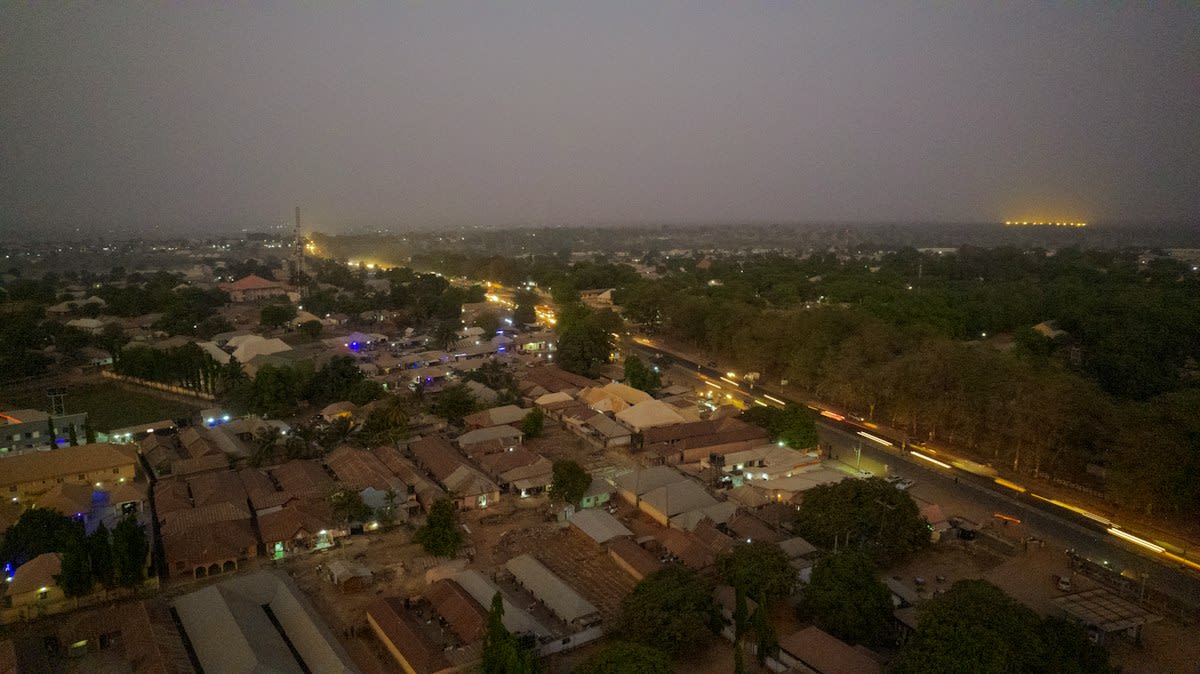
Lagos demands industrial agility. 30 pilot plants sit idle at the Research and Demonstration Plant facility (RMRDC) in Abuja (Source: The Nation Newspaper, 2026). This abandonment threatens local raw materials utilization and economic self-reliance. The facility was meant to be a hub for indigenous technologies. Now, it serves as a warning for the design sector.
The delta between current state and previous goals is stark. Twelve months ago, the facility operated as a center for developing and demonstrating research products. However, industrial activities were suspended following a change in leadership in 2024 (Source: The Nation Newspaper, 2026). This suspension stops the flow of indigenous technology to private sector investors. The result is a stagnation of resource-based industries across the region.
The Global Divergence
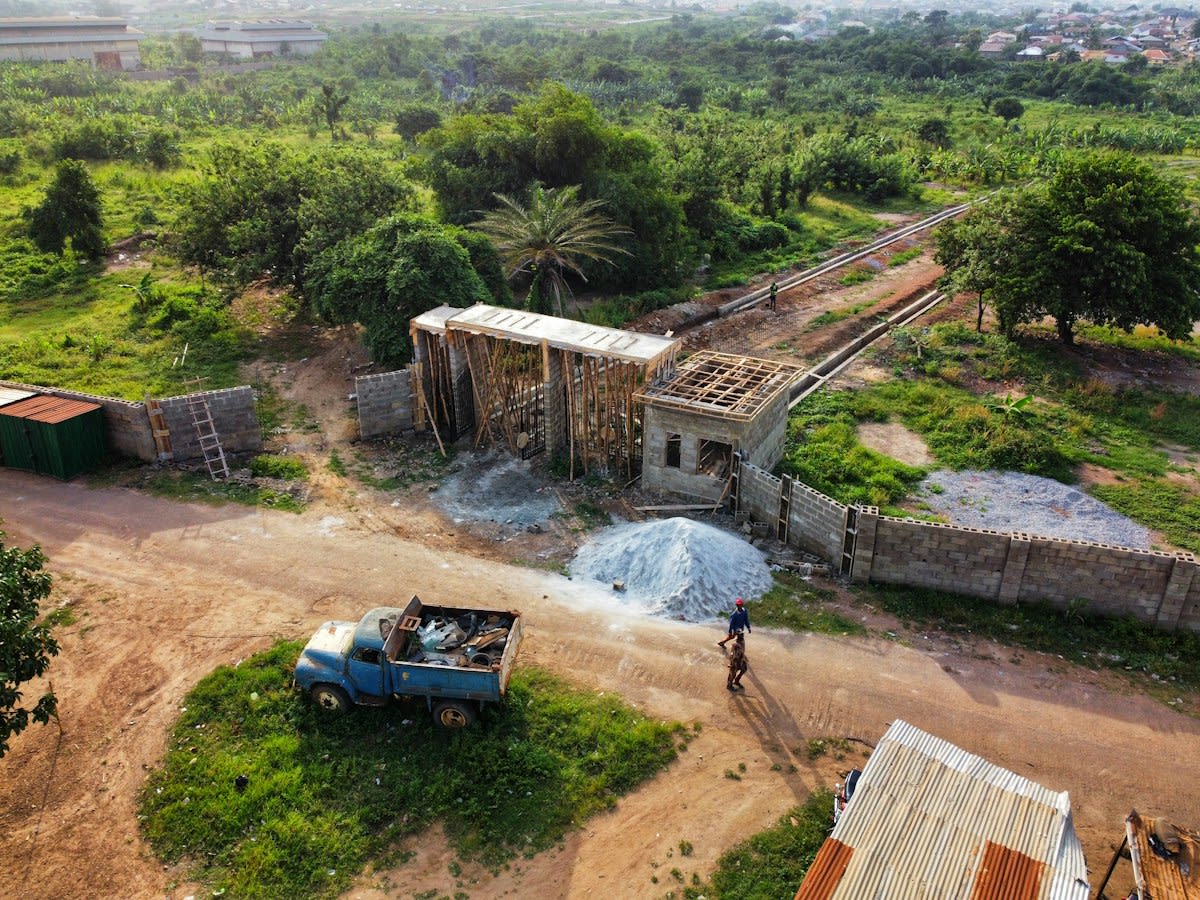
Global trends move in the opposite direction of the Nigerian experience. In Colorado, the Cleora development is delivering 106 homes, with more than 65 of them robotically constructed (Source: Building Design + Construction, 2026). This project uses RIC Robotics technology to establish a scalable model for advanced construction. It represents the culmination of seven years of research into scalable housing solutions. Such progress highlights the gap between robotic implementation and institutional abandonment.
"Our vision wasn’t simply to build 3D-printed homes, it was to prove that robotics could change how entire communities are designed and delivered."— Greg Kenny, Managing Partner at Cleora
The APAC region shows similar acceleration in industrial-grade additive manufacturing. China has increased investment in metal powder production, while Japan is introducing new desktop resin printers like the UniFormation S10 (Source: 3DPrint.com, 2026). Australia is pushing further with a A$2.7 million project specifically designed to advance metal 3D printing (Source: 3DPrint.com, 2026). These nations are not just printing prototypes but are securing regulatory approval for critical parts, such as helicopter components.
This divergence creates a technical vacuum for Lagos-based designers. While the world moves toward metal powder and robotic communities, the local infrastructure for raw materials remains frozen. The inability to utilize indigenous technologies prevents the leap from hobbyist printing to industrial manufacturing. The contrast is a measure of lost economic opportunity.
The Practitioner's Friction
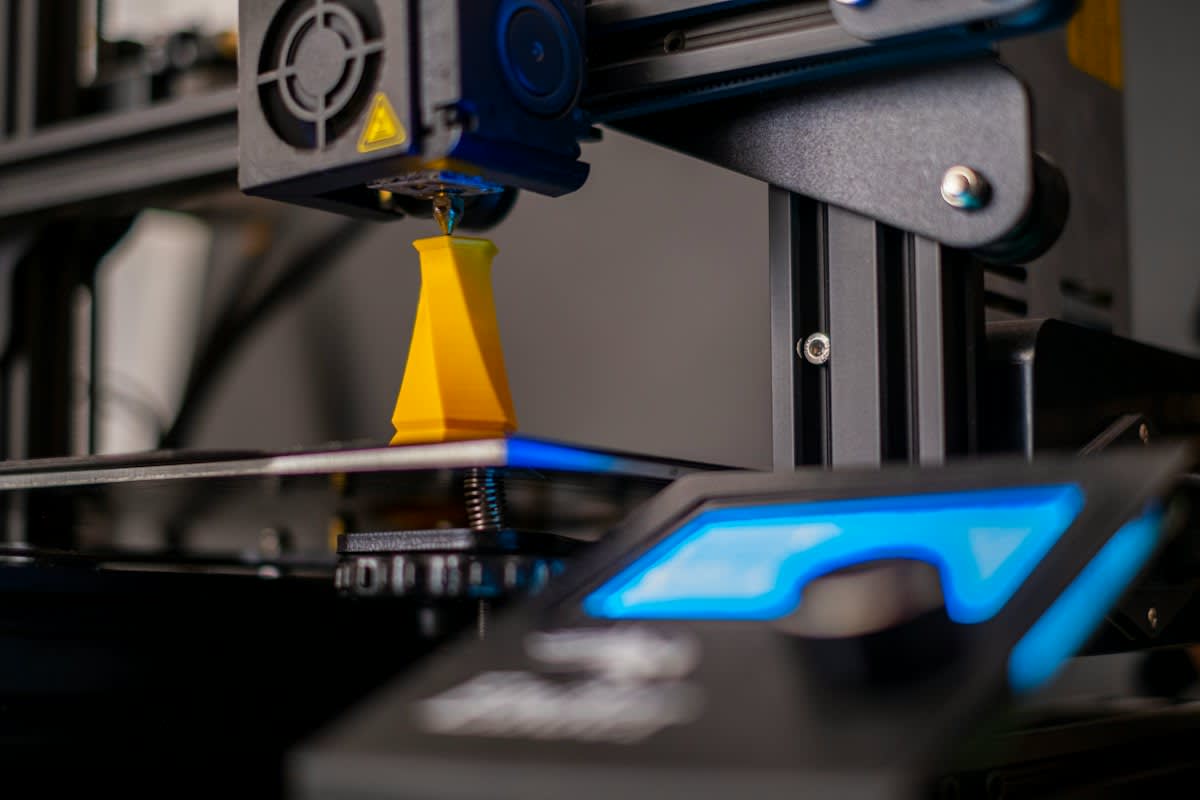
Ground-level reality for a Lagos practitioner is a battle against instability. The debate in local workshops is rarely about high-level theory but about basic power consistency. Designers struggle to maintain the precision required for additive manufacturing when the grid fails. They see the news of US$999 resin printers (Source: 3DPrint.com, 2026) but know that without a functional raw materials strategy, these tools remain toys. The friction lies in the gap between imported hardware and absent domestic support.
Many designers attempt to bridge this gap through micro-production. They focus on small-scale gadgets, such as printing Apple Watch charging stands to avoid expensive retail options (Source: BGR, 2026). While this demonstrates individual ingenuity, it does not solve the industrial deficit. Printing a plastic stand is a far cry from the robotically constructed duplexes seen in Colorado. This shift toward consumer-level self-reliance is a symptom of industrial failure.
This small-scale success masks a deeper systemic issue. The lack of a functioning RMRDC site means there is no pipeline for industrial-grade materials. Practitioners are forced to import filaments and resins, increasing costs and dependency. The local design environment remains a collection of isolated islands rather than a connected industrial network.
Systemic Failure Points
The primary failure point is institutional continuity. The RMRDC facility was designed to encourage private sector investors to adopt indigenous technologies (Source: The Nation Newspaper, 2026). When leadership changes in 2024 suspended these activities, the bridge to the private sector was burned. This creates a cycle where research exists but is never demonstrated or scaled. Without demonstration, investors view indigenous technology as a risk rather than an asset.
| Metric | Global Trend (Colorado/APAC) | Local State (Nigeria) |
|---|---|---|
| Scale of Implementation | 106 homes / Metal Powder Parks | 30 abandoned pilot plants |
| Investment Focus | A$2.7M for Metal Printing | Suspended Industrial Activity |
| Primary Output | Robotically constructed duplexes | Consumer mini-gadgets |
External pressures also impact the global construction sector, though the causes differ. In the US, homebuilder confidence has dropped to a 14-year low, with the Housing Market Index (HMI) falling to 29 (Source: Realtor.com, 2026). Surging mortgage rates and immigration enforcement are the primary drivers of this pessimism. While the US deals with market volatility, Nigeria deals with structural collapse. Both result in a slowdown of residential construction, but one is a financial correction while the other is a systemic failure.
Specialization is the only path forward for those surviving this environment. Volvo Group is already creating a dedicated mining entity to provide autonomous solutions and construction equipment (Source: International Mining, 2026). This move toward niche autonomy shows that the future of printing and robotics is in specialized, high-value sectors. Nigeria's failure to maintain its pilot plants means it cannot even enter the conversation for these specialized roles.
The loss of the RMRDC's capability means that academic research into raw materials utilization has no place to land. When the facility on Airport Road in Abuja stopped operating, it didn't just stop machines; it stopped the transfer of knowledge (Source: The Nation Newspaper, 2026). This knowledge gap is what prevents Lagos from evolving its design sector into a manufacturing powerhouse. The trend is not a lack of talent, but a lack of a functional platform.
Fact-Check Note
Fact-Check: The claim regarding the abandonment of 30 pilot plants is based on statements by Dr. David Okoro-Arinze as reported by The Nation Newspaper in 2026. The Colorado housing data is sourced from Building Design + Construction (2026).
Editorial Note
Editorial Note: This report highlights the disparity between global additive manufacturing acceleration and local institutional decay. The focus remains on the evidence of abandoned infrastructure versus active robotic deployment.