Voter for a decade, now, not on SIR draft rolls’: Inside a Delhi public hearing
Source Entity
Alok Singh
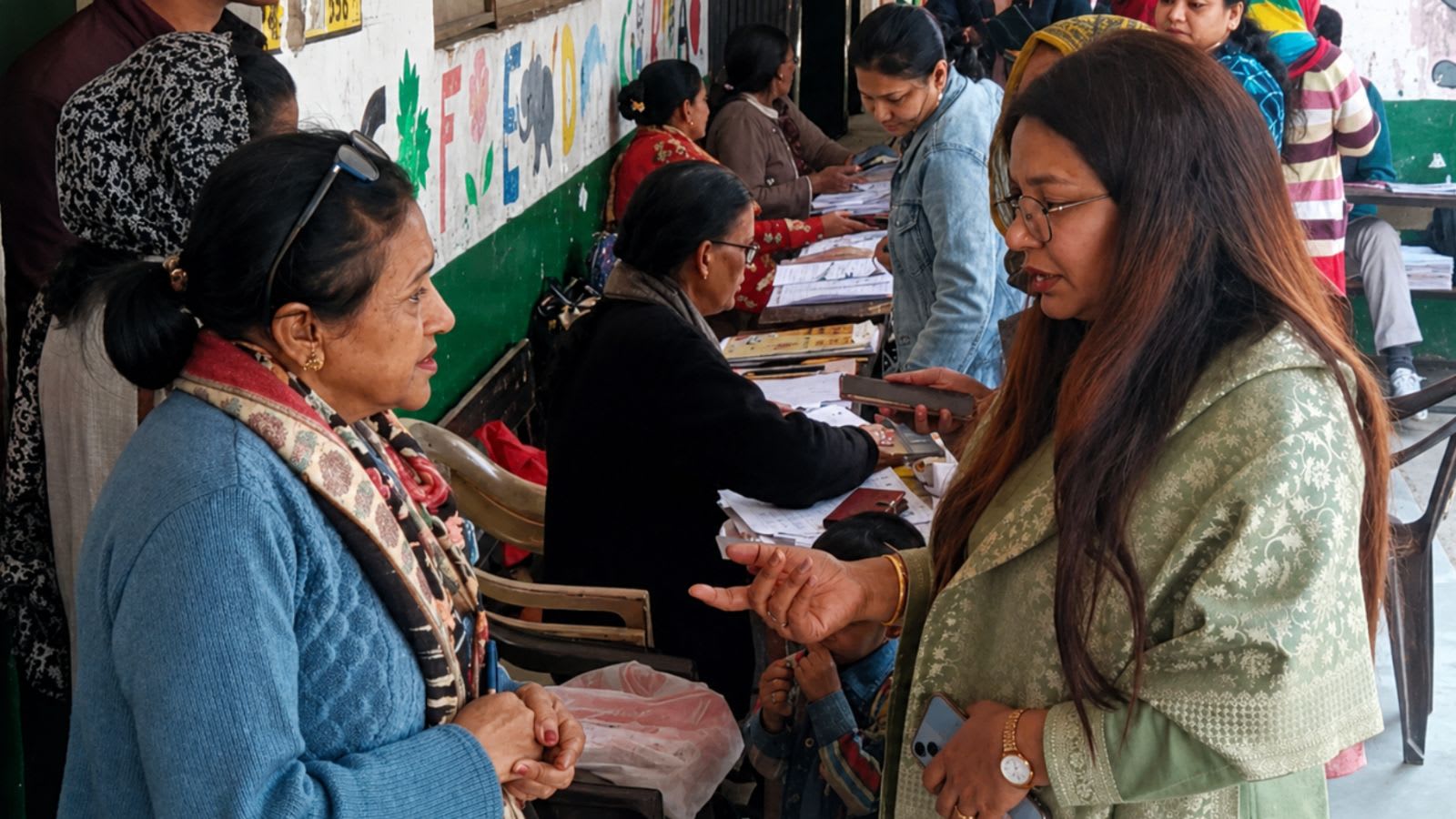
A public audit in Delhi's Okhla constituency revealed over 100 voters were wrongly marked as 'shifted' or 'absent' during the Special Intensive Revision (SIR). The Congress party has demanded an immediate halt to the process, calling the deletions unconstitutional and illegitimate.
The Controversy Surrounding Delhi's Electoral Roll Revision
Recent developments in Delhi’s electoral process have sparked significant concern following a public audit conducted in the Okhla constituency. The audit, which spanned 258 households over seven days, revealed that at least 100 voters were erroneously classified under the 'Absent, Shifted, Dead, or Duplicate' (ASDD) category during the Special Intensive Revision (SIR) exercise. This discovery has led to widespread frustration among residents, many of whom have lived at the same addresses for decades only to find themselves suddenly removed from the electoral rolls.
The Human Impact of Administrative Errors
For residents like Naimuddin, a long-term Jamia Nagar inhabitant, the discovery of his 'permanently shifted' status came as a profound shock. Despite participating in the revision process by submitting his enumeration form in July, he reported that no Booth Level Officer (BLO) ever visited his residence to verify his status. This lack of ground-level verification suggests a systemic failure in the SIR process, leaving established voters with the cumbersome burden of re-enrolling via Form 6 to exercise their democratic rights.
Civil Society and Public Oversight
The Jan Sunwai (public hearing) held in the Batla House area on October 18, 2026, served as a platform for these disenfranchised voters to voice their grievances. Organized by a coalition of civil society groups including Jan Sarokar, the Mazdoor Kisan Shakti Sangathan (MKSS), Voter Adhikar Manch, and the National Federation of Indian Women (NFIW), the event highlighted the scale of the issue. The audit results suggest that the ASDD classification process may be suffering from significant procedural flaws that disproportionately affect specific demographics.
Political Repercussions and Demands
The political fallout has been swift, with the Indian National Congress demanding an immediate cessation of the SIR exercise. General Secretary Jairam Ramesh labeled the process 'unconstitutional' and urged the Election Commission to restore all voters who were illegitimately removed. By highlighting the report that over 100 voters in just two booths were misclassified, the Congress has framed the issue as a systemic failure that threatens the integrity of the electoral process in the national capital.
Broader Implications for Electoral Integrity
This incident raises critical questions about the transparency and accuracy of electoral roll management. When administrative errors lead to the mass removal of legitimate voters, the trust in democratic institutions is severely undermined. The reliance on the ASDD category, without rigorous, on-the-ground validation, creates a high risk of voter suppression. Moving forward, the pressure on election authorities to provide a transparent, accountable, and error-free revision process will likely intensify as stakeholders demand a thorough review of the current SIR methodology to prevent future disenfranchisement.
Multiple Citing Sources