How Quickly Can the DoD Rebuild and Recast the Munitions Industrial Base?
Source Entity
Hacker News
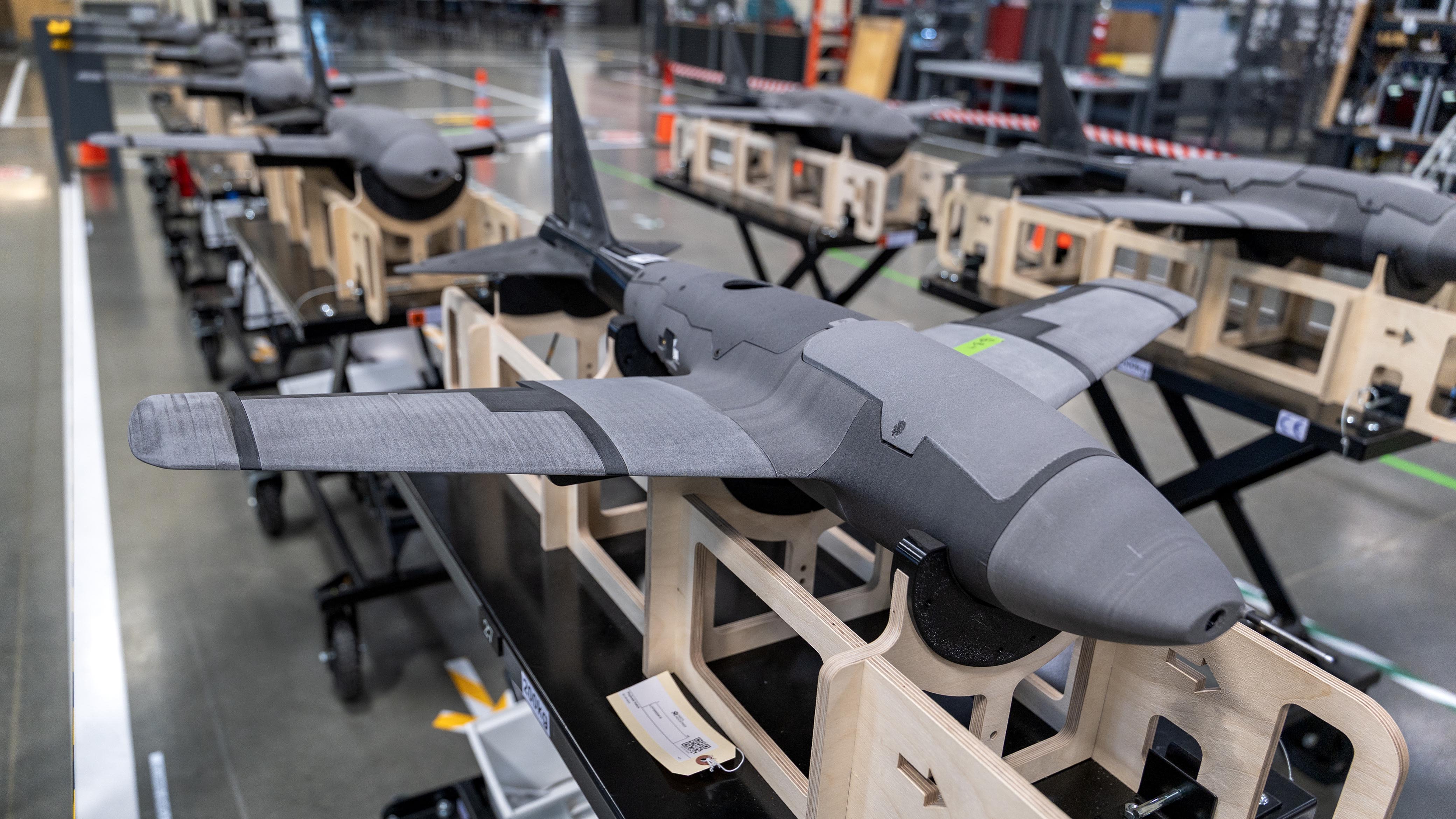
The U.S. Department of Defense is working to modernize its munitions industrial base to meet the demands of modern, high-intensity warfare. Success depends on legislative appropriations, increased industry capital expenditure, and a strategic shift toward a high-low mix of weaponry.
The Strategic Imperative of Munitions Modernization
Recent analyses have brought to light the precarious state of the United States' munitions stockpiles, revealing a critical need to transition from reactive replenishment to proactive industrial capacity building. The current geopolitical climate, characterized by the potential for high-intensity conflicts involving both precision strikes and prolonged attrition, has exposed vulnerabilities in the traditional defense supply chain. Policymakers and industry leaders are now tasked with the dual challenge of rebuilding the existing munitions industrial base while simultaneously recasting it to address modern warfare requirements.
Defining the High-Low Mix Strategy
To effectively navigate the demands of contemporary combat, the Department of Defense (DoD) must move beyond simple quantity. The proposed strategy involves cultivating a "high-low mix" of munitions. This approach balances the need for "exquisite" weaponry—high-cost, high-precision systems capable of neutralizing advanced threats—with more affordable, mass-produced interceptors and missiles. By embracing both magazine breadth and magazine depth, the joint force can ensure it is not only capable of surgical strikes but also possesses the staying power required for sustained, attritional engagements.
The Role of Framework Agreements and Fiscal Policy
The emergence of multiyear "framework agreements" between the DoD and private contractors marks a significant shift toward long-term strategic planning. These agreements are designed to provide the stability necessary for defense firms to commit to long-term production cycles. However, these agreements are merely foundational; their true efficacy is contingent upon consistent and robust appropriations from Congress. Without the legislative backing to guarantee funding, these frameworks risk becoming symbolic rather than functional instruments of industrial policy.
Capital Expenditure and Industrial Resilience
Beyond federal funding, the burden of modernization rests heavily on the industry's willingness to increase capital expenditures (CapEx). Expanding production lines and integrating advanced manufacturing technologies requires significant upfront investment from the private sector. For defense contractors, this necessitates a degree of risk-taking that is often tempered by the cyclical nature of government defense budgets. Bridging this gap requires a synchronized effort where the DoD provides the demand signal, and industry provides the physical capacity to scale production rapidly.
Future Trends and Strategic Outlook
The shift toward a more agile and robust munitions base represents a fundamental evolution in how the U.S. prepares for potential conflict. Future trends will likely favor modular manufacturing and diversified supply chains that can withstand the shocks of global instability. As the DoD and its partners work to recast the industrial base, the focus will remain on shortening production timelines and ensuring that the "high-low mix" is not just a theoretical model, but a tangible inventory that can be deployed at a moment's notice to ensure national security in an era of renewed great power competition.