Congress’s post-truth politics of distrust, undermining democracy: Rajnath Singh
Source Entity
RAJNATH SINGH
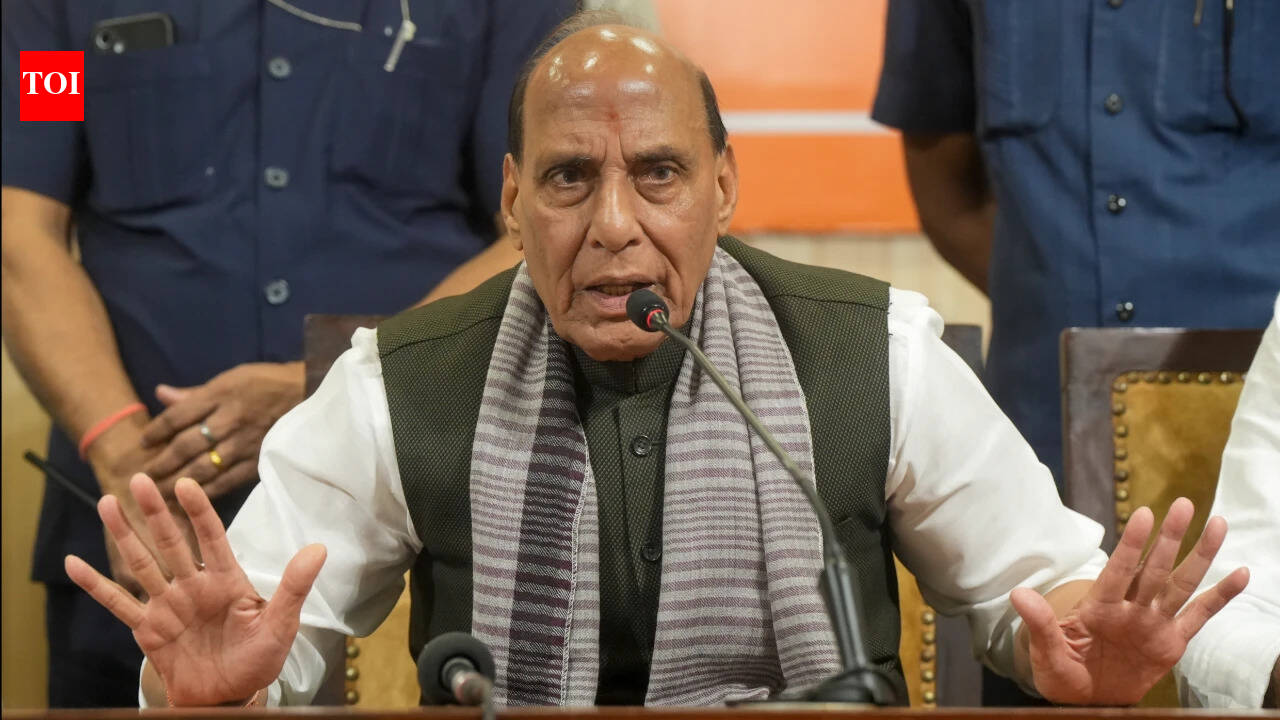
Defense Minister Rajnath Singh has accused the Congress party of fostering a culture of distrust and undermining democratic institutions. He specifically criticized the party's historical control over the appointment of the Chief Election Commissioner.
The Controversy Over Institutional Appointments
Defense Minister Rajnath Singh recently launched a scathing critique of the Indian National Congress, characterizing its approach to governance as a form of "post-truth politics" that actively undermines the foundations of Indian democracy. At the heart of this confrontation is the historical mechanism by which the Chief Election Commissioner (CEC) and other high-ranking officials were appointed during the Congress party's long tenure at the helm of the Indian government.
Historical Context of Executive Control
For nearly seven decades, Congress-led governments maintained a significant degree of executive control over the appointment processes for the Election Commission of India. Rajnath Singh contends that this historical precedent was not merely a matter of administrative convenience but a deliberate strategy to consolidate power. By retaining the authority to appoint the CEC directly, the executive branch exercised substantial influence over the body responsible for safeguarding the integrity of the electoral process.
The Accusation of 'Post-Truth' Politics
Singh's use of the term "post-truth politics" implies that the Congress party is currently leveraging rhetoric that disregards objective historical facts to create a narrative of institutional crisis. The Minister argues that by questioning the current appointment procedures, the opposition is attempting to manufacture distrust in the democratic framework they themselves managed for generations. This rhetorical strategy, he suggests, is a calculated move to weaken public confidence in constitutional bodies.
Broader Implications for Indian Democracy
This debate underscores a fundamental tension in Indian governance: the balance of power between the executive branch and independent constitutional authorities. When political parties trade accusations regarding the neutrality of election oversight, the broader implication is a potential erosion of the electorate's faith in the fairness of the democratic system. The discourse surrounding these appointments reflects a deeper struggle over the definition of institutional independence in the modern era.
Future Trends in Political Discourse
As India moves toward future election cycles, the debate over how constitutional heads are selected will likely remain a central pillar of political contention. We can expect increased pressure for transparency in the appointment process, as public scrutiny of these mechanisms continues to grow. Both the ruling party and the opposition will likely continue to use the history of these appointments as a litmus test for the other's commitment to democratic principles, ensuring that this topic remains highly charged in the national discourse.
Conclusion
Rajnath Singh’s recent remarks highlight a deep-seated ideological divide regarding the legacy of institutional appointments in India. By framing the Congress party’s critique as an attempt to undermine democracy, the government is signaling a defensive posture aimed at protecting its current administrative mandate. Ultimately, the resolution of these arguments will depend on how the public perceives the balance between executive authority and the autonomy of independent constitutional institutions.