Teja Singh Samundri’s legacy takes centre stage in BJP’s pro-Sikh push in Punjab
Source Entity
India Latest News: Top National Headlines Today & Breaking News | The Hindu
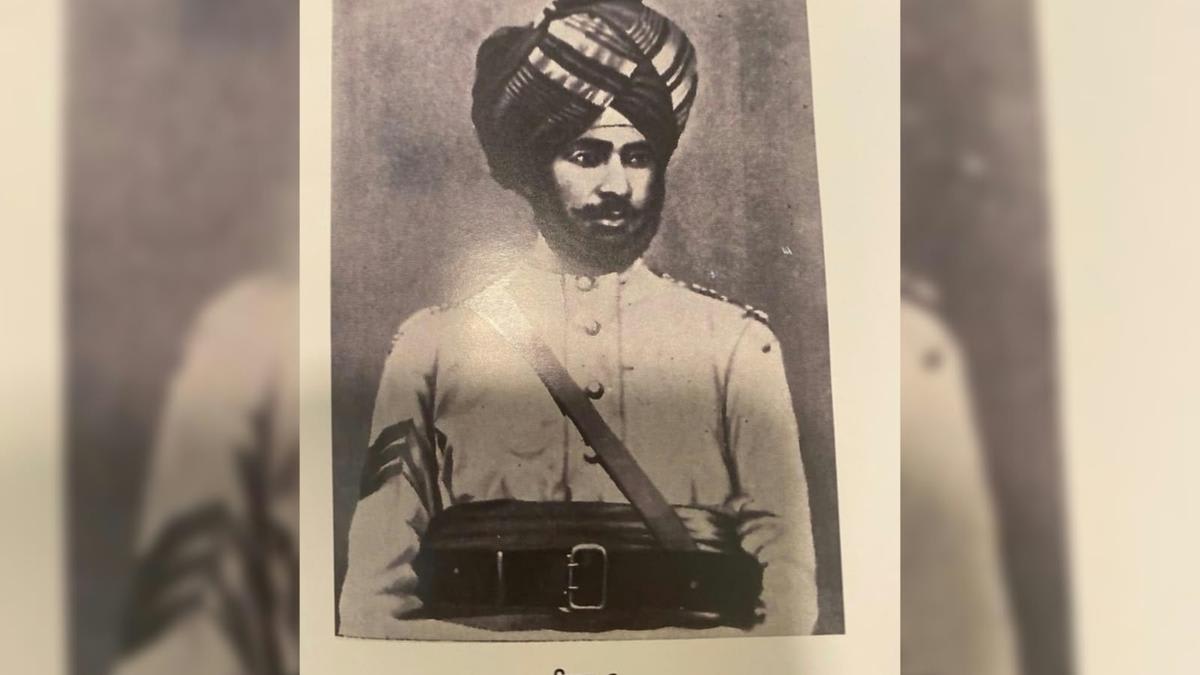
The BJP is leveraging the legacy of Sikh reformer Teja Singh Samundri to strengthen its appeal in Punjab ahead of the 2027 assembly elections. By highlighting his role in the SGPC and his martyrdom, the party aims to build a pro-Sikh image.
The BJP’s Strategic Pivot: Invoking Teja Singh Samundri
In a calculated move to expand its political footprint in Punjab, the Bharatiya Janata Party (BJP) is increasingly aligning itself with the historical legacy of Sardar Teja Singh Samundri. As the centenary of his martyrdom approaches, the party’s top leadership—including Prime Minister Narendra Modi and Union Home Minister Amit Shah—has made the Sikh leader a focal point of their public discourse. This outreach is widely interpreted as a deliberate effort to shed the party's traditional image and establish a more robust, pro-Sikh narrative within the state.
The Historical Significance of Teja Singh Samundri
Teja Singh Samundri occupies a revered position in Sikh history as a founding architect of the Shiromani Gurdwara Parbandhak Committee (SGPC) and a stalwart of the Gurdwara Reform Movement. His legacy is defined by his unwavering commitment to principles; his refusal to accept a conditional release from British custody, which eventually led to his death in Lahore Central Jail in 1926 at the age of 43, serves as a potent symbol of sacrifice. By highlighting this specific history, the BJP is attempting to connect with the Sikh community’s historical pride and values.
Political Calculus for the 2027 Assembly Elections
With the 2027 Punjab Assembly election on the horizon, the BJP faces the challenge of breaking through the traditional political silos that have dominated the state for decades. By weaving the narratives of Sikh icons like Samundri into their platform, the BJP seeks to demonstrate an appreciation for the sacrifices made by the community during the independence movement and religious reforms. This strategy serves to soften the party's image and appeal to a broader demographic that has historically remained skeptical of the BJP's presence in Punjab.
Weaving Historical Narratives into Modern Policy
Beyond mere rhetoric, the invocation of Samundri’s legacy represents a shift in the BJP’s outreach methodology. By focusing on his role as a key figure in the struggle against colonial-era institutional control, the party is framing its current political agenda within the broader context of Sikh historical autonomy. This allows the BJP to position itself as a party that respects the institutional history of the SGPC, even as it navigates the complex landscape of Punjab’s internal religious and political power structures.
Implications and Future Trends
Looking ahead, it is likely that the BJP will continue to utilize such historical figures to bridge the cultural divide in Punjab. The success of this strategy, however, will depend on whether this symbolic outreach is matched by substantive policy engagement. As the centenary of Samundri’s martyrdom continues to draw attention, the party's ability to maintain this momentum will be a key indicator of its long-term viability in the state. The focus on historical figures is a clear signal that the BJP is prepared for a long-haul effort to redefine its relationship with the Sikh electorate.
Verification Required?