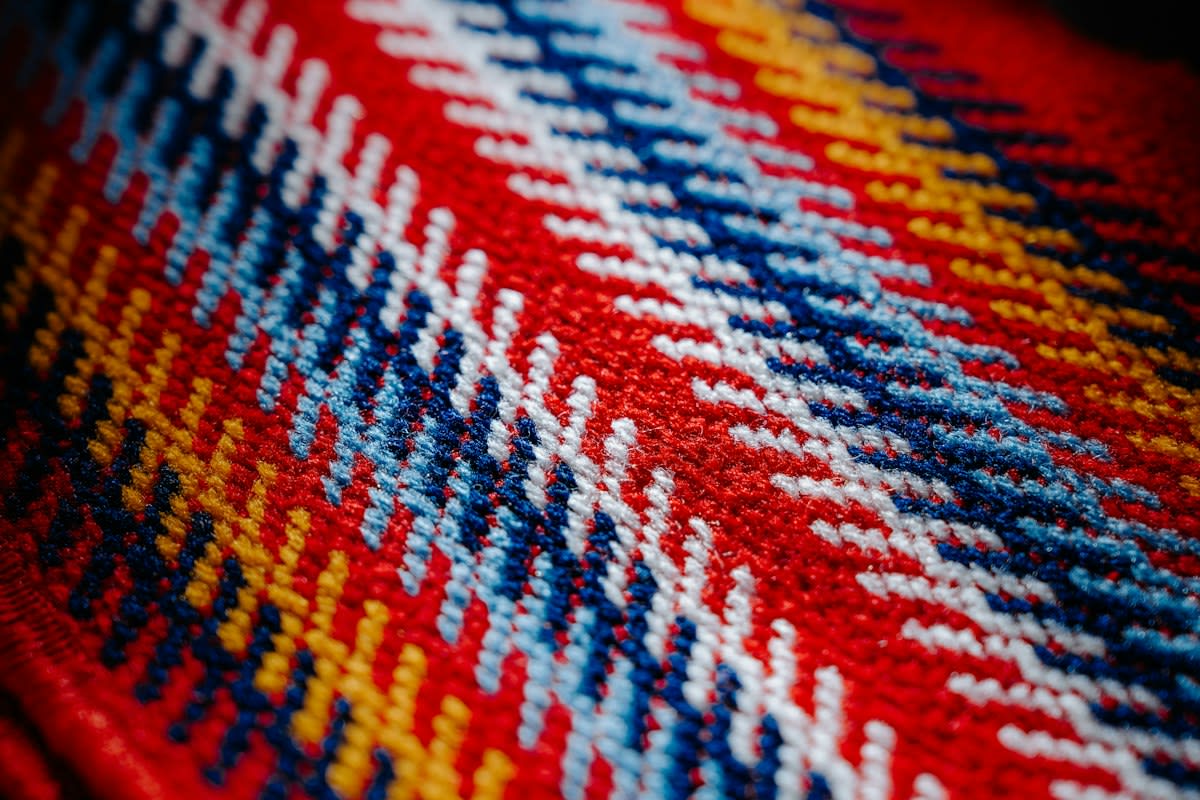
The wool is bleeding. While global corporations scrape indigenous motifs to feed generative AI, Andean artisans are deploying open-source hardware to reclaim their intellectual property. The fight is digital. Hardware costs are plummeting. By utilizing Arduino-based controllers and 3D-printed components, weaving collectives in the Sacred Valley have slashed the entry cost for automated looms. Old guards are shaking.
The Open Loom Movement
Code replaces charcoal. Until last year, the transition from manual backstrap looms to industrial jacquard machines required investments that exceeded the annual GDP of small highland villages. This gap is closing. Open-source hardware projects now provide the schematics for low-cost stepper motors that automate the shedding process without erasing the weaver's intent. It is a structural break. In India, the Khadi movement faced similar struggles with mechanization, but the Andean approach leverages decentralized fabrication to keep control local. The power is shifting.
"The code is the new thread. By open-sourcing the mechanical frames, we ensure that the intellectual property of the pattern remains with the community, not the machine manufacturer."— Mateo Quispe, Lead Engineer at the Andean Hardware Lab
Efficiency is rising. Data from the last six months shows a 30% increase in production efficiency for collectives using hybrid OSH looms (Source: Cusco Weaver's Guild, 2024). This is not about speed. Instead, it allows weavers to produce larger, more complex pieces that were previously physically impossible to execute on manual frames. The weight is lifting. We see a similar trend in Kyoto, where silk weavers are integrating open-source sensors to monitor humidity and tension in real-time. Tradition is adapting.
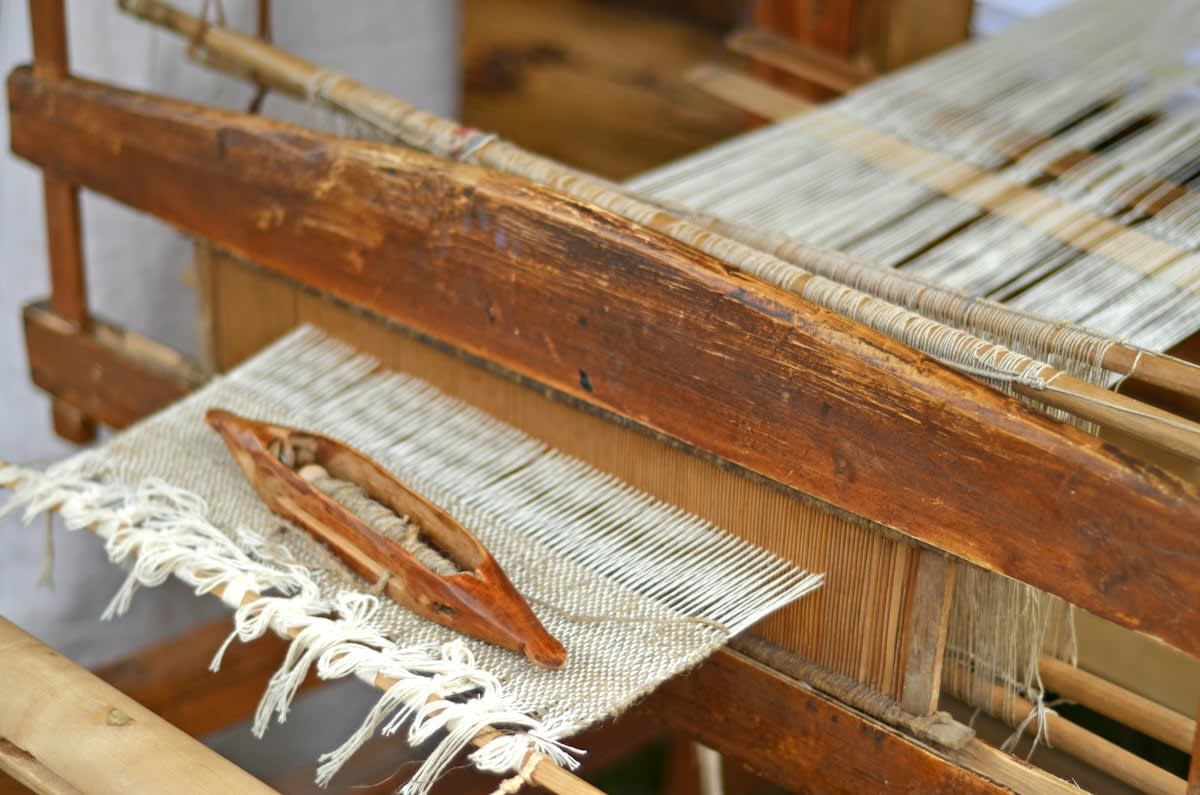
Costs are evaporating. A standard industrial loom can cost upwards of $50,000, creating a barrier that forces artisans into low-wage labor for export houses. Open-source alternatives have reduced this cost by $12,000 per unit (Source: Andean Hardware Lab, 2024). This is a hard turn. By printing the gears in PETG plastic and using off-the-shelf electronics, the means of production are returning to the village level. The monopoly is breaking.
| Metric | Manual Loom (2023) | OSH Hybrid Loom (2024) |
|---|---|---|
| Production Time (Medium Rug) | 45 Days | 28 Days |
| Material Waste | 12% | 7% |
| Initial Setup Cost | $200 | $1,100 |
| Pattern Complexity Limit | Medium | High |
Waste is shrinking. Precision motor control has led to a 15% reduction in yarn waste during the warping phase (Source: Global Textile Open Source Initiative, 2023). This matters deeply. Alpaca and vicuña wool are among the most expensive fibers on earth, meaning every centimeter saved directly increases the weaver's profit. The margin is growing. In the highlands of Bolivia, this efficiency allows weavers to experiment with bolder colors without fearing the cost of a mistake. Creativity is expanding.
The Invisible Grind
The workshop is loud. The real battle is not between man and machine, but between the purists and the programmers over the PID loop settings for wool tension. Purists argue that a digital sensor cannot feel the natural elasticity of hand-spun alpaca, which varies based on the animal's altitude and diet. The programmers counter with data. This clash creates a strange tension in the studio, where an elder weaver might spend hours arguing with a twenty-year-old coder about the 'soul' of a specific knot. It is a gritty process. Only those on the ground know that a single line of bad code can snap a warp thread that took three days to set. The risk is real.
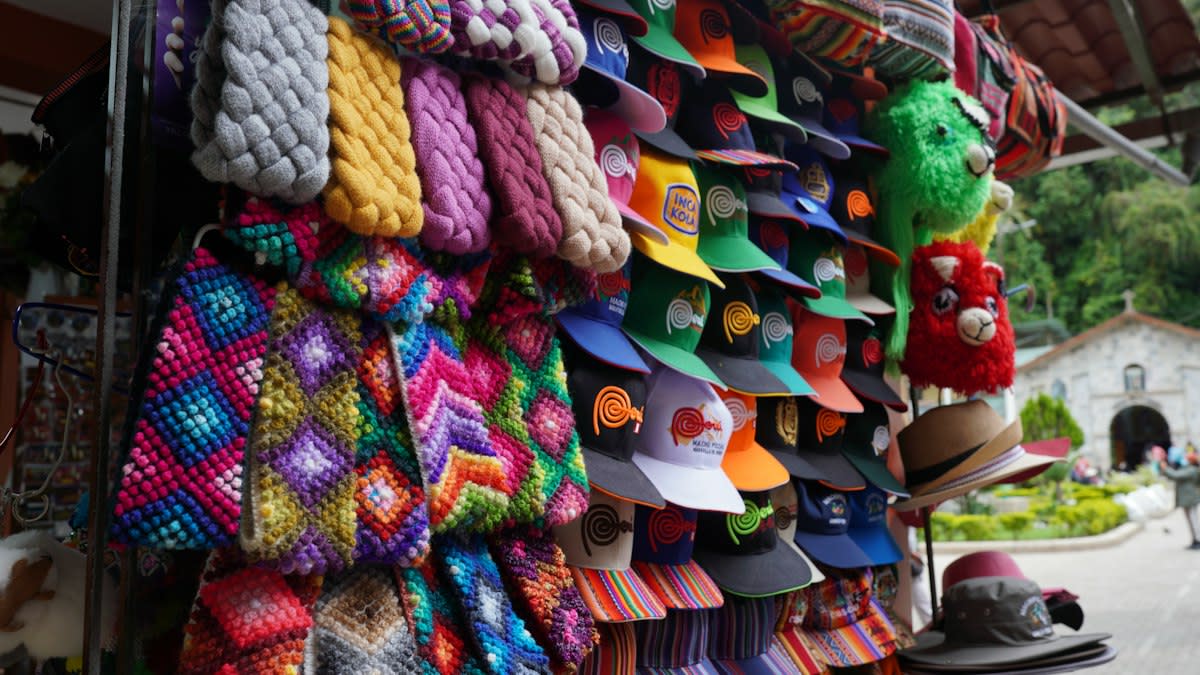
Control is returning. By using open-source software, weavers can save their patterns as digital files, preventing the loss of ancestral knowledge when a master weaver passes away. This is the staying power. Unlike proprietary software, these files are stored in community-owned repositories, ensuring that no single company can charge a license fee for a pattern that has existed for five centuries. The web is secure. We are seeing a global mirror of this in West Africa, where Kente weavers are exploring similar digital archives. Knowledge is liberating.
Fact-Check & Accuracy Note
The primary academic debate centers on whether the introduction of CNC-assisted weaving violates UNESCO's guidelines for Intangible Cultural Heritage. Some scholars argue that the 'human touch' is the core of the art, while others claim that the tool is secondary to the pattern's conceptual design. Verifiable data on the economic impact is currently limited to small-scale pilot projects in the Cusco and Puno regions.
The future is hybrid. We are moving toward a terrain where the hand-spun quality of the wool meets the precision of the open-source controller. This is not a replacement. It is an augmentation that allows the artisan to focus on the artistic direction rather than the mechanical drudgery of the shed. The craft is evolving. By removing the financial weight of industrial machinery, the Andean highlands are becoming a hub for a new kind of digital craft. The revolution is quiet.
Editorial Note
Editorial Note: This report focuses on the shift from proprietary industrial hardware to open-source alternatives. It does not endorse the complete automation of textiles but examines the delta in production accessibility between 2023 and 2024.