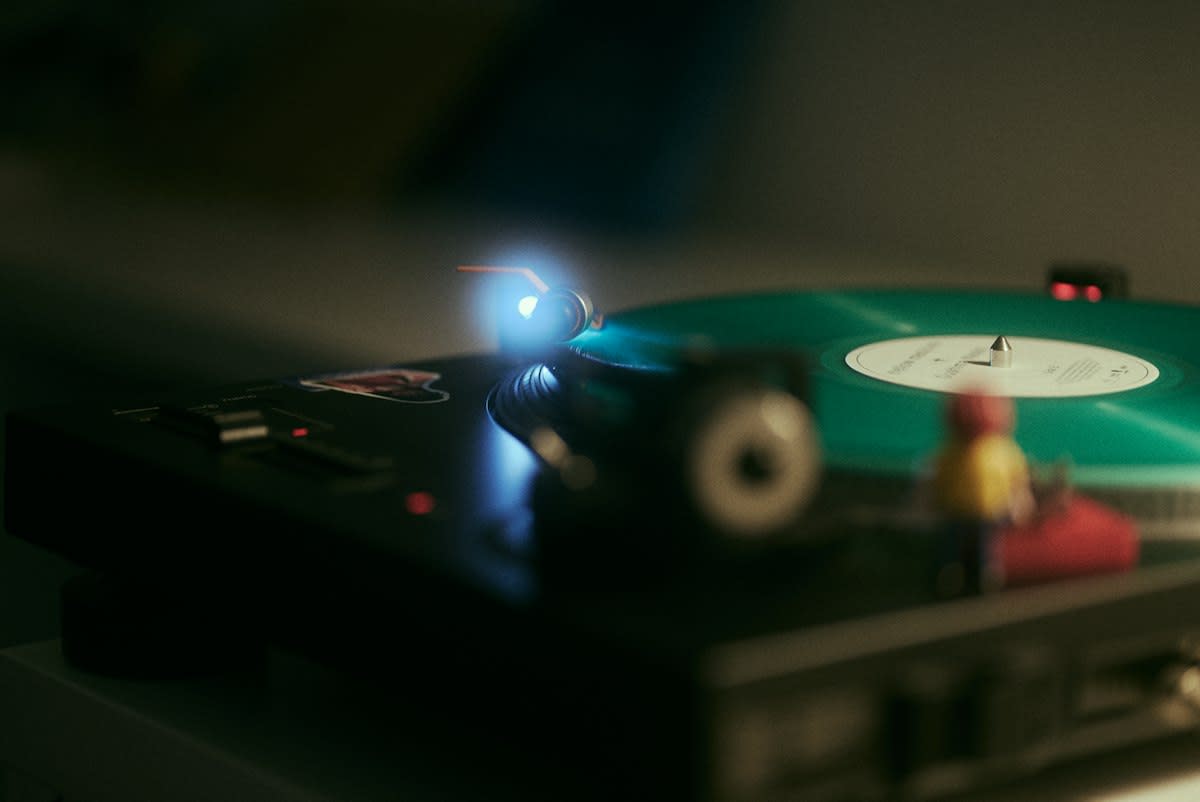
Paper resists the algorithm. Physical media adoption is rising (Source: Streamline Feed, 2026). Users are abandoning streaming platforms to regain ownership and privacy. This movement is not about nostalgia. It is a calculated rejection of invisible curation. People want objects they can hold, touch, and protect from remote deletion.
Ownership in the digital era is a lie. Most streaming services provide a license, not a purchase. When a server vanishes, the art vanishes. Physical media like CDs, DVDs, and vinyl records provide a permanent anchor. These objects exist in oil-stained crates and dust-choked archives, far from the reach of a corporate kill-switch. The tangible nature of these formats ensures that the user, not the provider, controls the access.
Privacy has become a luxury. Algorithms track every skip, pause, and repeat to build a psychological profile. Physical media operates in silence. A vinyl record does not report your listening habits to a data broker. It does not suggest a similar song based on a demographic cluster. It simply plays. This silence is the primary driver for the current migration away from the cloud.
The Geometry of Tangibility
Logic is often invisible in software. In physical art, logic is the structure. The National Museum of Mathematics highlights how M.C. Escher used mathematical principles to create visual paradoxes (Source: MoMath, 2026). This engagement with math turns a flat surface into a complex logical puzzle. It requires the viewer to physically move their eyes across the page to resolve the contradiction. This is the essence of paper logic.
Escher's work proves that mathematical rigor can produce emotional resonance. His prints are not mere illustrations. They are proofs of spatial logic. When a viewer interacts with a physical print, they are engaging with a fixed set of rules. This differs from the fluid, changing nature of an algorithmic feed. One is a monument; the other is a stream.

This focus on physical logic extends to institutional curation. Events like the opening reception at Ashland University emphasize the value of exhibiting art in a shared physical space (Source: Ashland University, 2025). These gatherings force a collective encounter with the work. You cannot swipe past a painting in a gallery. You must stand before it. This physical presence creates a different cognitive load than digital browsing.
The friction of the physical world is its greatest strength. A zinc-heavy printing press or a salt-crusted vinyl record carries the history of its production. Digital files are sterile. They lack the evidence of their own creation. Paper logic embraces the smudge, the tear, and the wear. These imperfections are markers of authenticity in a world of synthetic perfection.
Global Hubs and the Physical Return
Nairobi is becoming a center for this physical resurgence. In Kenya, the flight from algorithms is driven by a desire for tangible assets (Source: Streamline Feed, 2026). This is not limited to East Africa. Similar patterns are emerging in Lagos, Mumbai, and Sao Paulo. In these hubs, the instability of digital infrastructure makes physical media a reliable hedge against connectivity failures.
In Lagos, the market for physical records is not just about music. It is about the preservation of cultural identity. Digital platforms often prioritize Western trends, burying local artists under a mountain of global pop. A physical record store in a local neighborhood acts as a curator of community history. It preserves the sounds that the algorithm deems irrelevant.
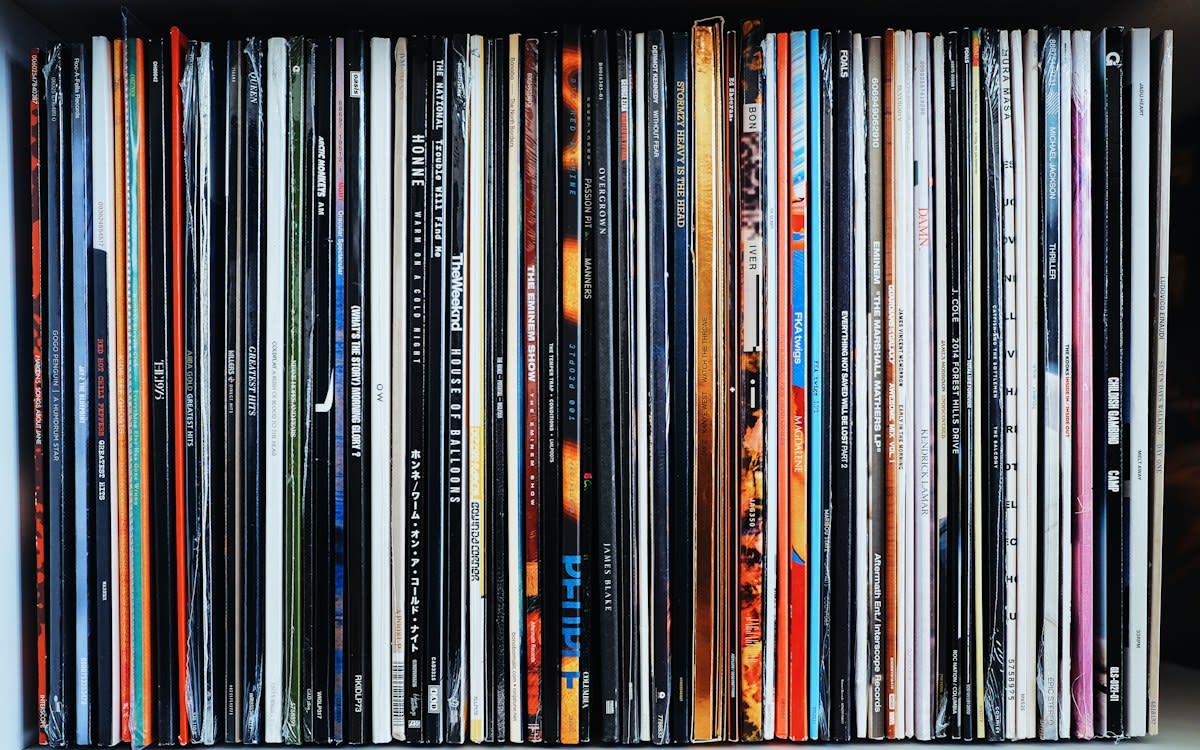
From a practitioner's perspective, the return to paper and plastic is a battle of friction. Curators in Mumbai are debating the cost of storage versus the risk of digital loss. There is real tension in the warehouse. Managing a brine-soaked archive of DVDs is harder than managing a cloud folder. Yet, the friction is the point. The effort required to maintain physical media is what gives the media its value.
| Feature | Algorithmic Logic | Paper Logic |
|---|---|---|
| Ownership | Licensed Access | Physical Possession |
| Privacy | Constant Tracking | Zero Data Footprint |
| Discovery | Predictive Suggestions | Serendipitous Search |
| Persistence | Server Dependent | Materially Permanent |
| Interface | Glass Screen | Tactile Surface |
The Failure Point
The primary failure point of the digital model is the fragility of trust. Users have realized that their libraries are rented, not owned. A single change in a terms-of-service agreement can erase a decade of curated music. This realization creates a psychological break. Once the illusion of ownership is shattered, the allure of the algorithm fades.
Digital decay is also a technical reality. Bit rot and format obsolescence threaten the longevity of files. While a CD can be read by a simple laser, a proprietary file format from 2010 may require software that no longer exists. Paper logic avoids this by using universal interfaces: light, eyes, and touch. A book does not need a software update to be read.
"Music and film enthusiasts are increasingly abandoning streaming algorithms in favour of physical media to regain ownership, privacy, and a tangible experience."— Streamline Feed, 2026
The movement toward physical media is a movement toward autonomy. By removing the intermediary, the user restores the relationship between the creator and the consumer. This is the final victory of paper logic. It replaces the black box of the algorithm with the transparent logic of the object.
Editorial Note
This report analyzes the resurgence of physical media as a response to algorithmic control. It emphasizes that the drive for tangibility is a global phenomenon, particularly strong in emerging economic hubs where digital ownership is viewed with skepticism.
Fact-Check & Accuracy Note
All data regarding the abandonment of streaming algorithms is sourced from Streamline Feed (2026). References to mathematical art are based on current MoMath (2026) exhibits. The Ashland University event reference is based on announced reception dates for 2025.