COP31 ends in failure as countries split over fossil fuels, climate finance
Source Entity
Bob Berwyn, Inside Climate News
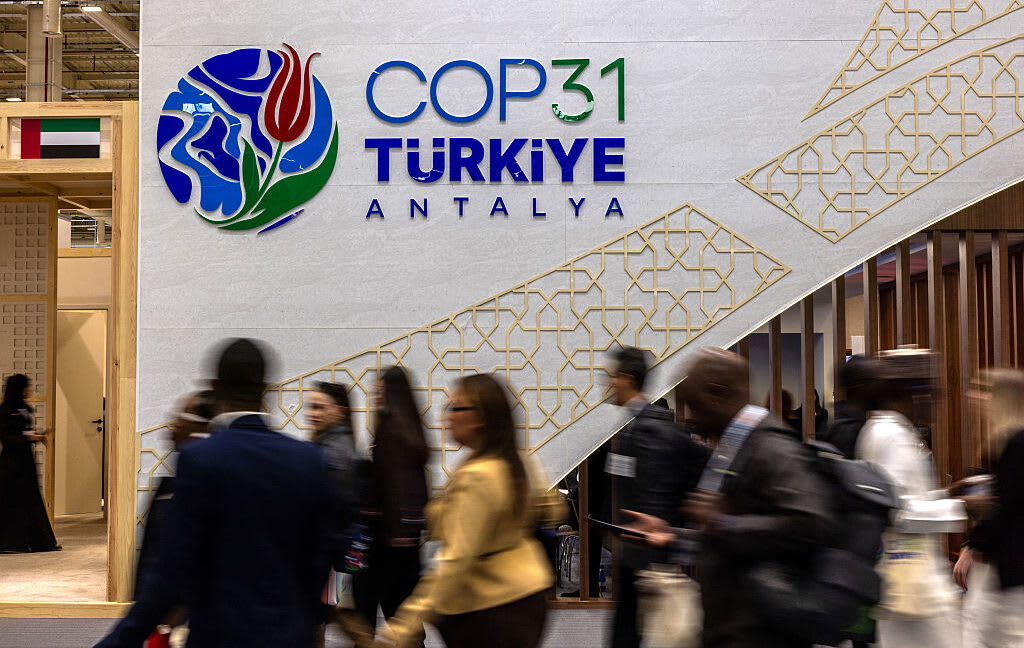
COP31 in Antalya concluded without a consensus deal for the first time since 2009. Tensions centered on the exclusion of fossil fuel phase-out language and the contentious promotion of carbon capture technology.
The Collapse of Consensus at COP31
The conclusion of the COP31 climate summit in Antalya, Turkey, marks a significant and historic setback for international climate diplomacy. For the first time since 2009, the conference failed to produce a consensus 'cover decision'—the foundational document meant to symbolize global unity in the face of the accelerating climate crisis. As the event concluded, the atmosphere was described as one of profound disillusionment, with the host nation’s efforts to forge a multilateral agreement falling flat against the backdrop of deep geopolitical and ideological divides.
The Fossil Fuel Omission
Central to the breakdown was the conspicuous absence of language regarding the phase-out of fossil fuels. While previous summits have struggled with this issue, the COP31 draft explicitly removed references to coal, oil, and gas. This omission alienated numerous delegations, who viewed the move as an attempt to sanitize the global climate agenda to protect industrial interests. By dropping these references, the summit essentially sidelined the primary drivers of global warming, leading to a stalemate that prevented the adoption of a unified concluding statement.
Carbon Capture as a Flashpoint
Adding to the friction was the aggressive promotion of carbon capture technology. The hosts, Türkiye and Australia, proposed a goal of capturing 1 billion tonnes of carbon, targeting industrial polluters that face difficulty transitioning to renewables. However, critics argue that this focus serves as a loophole for fossil fuel companies to continue operations rather than decarbonizing. The debate highlighted a critical distinction between carbon capture—trapping emissions at the source—and carbon removal from the atmosphere, the latter of which remains largely unscaled.
The 1.5C Threshold and Financial Uncertainty
Beyond technology and terminology, the summit was marred by fundamental disagreements over how to address the looming breach of the 1.5C global warming target. As the planet approaches this critical climate tipping point, the lack of a cohesive strategy for adaptation and mitigation finance left many vulnerable nations disillusioned. The inability to agree on a path forward regarding climate finance and emissions targets suggests a fraying of the multilateral cooperation that has defined the post-Paris Agreement era.
Implications for Future Climate Diplomacy
The failure to reach a consensus in Antalya signals a potential shift in the effectiveness of the COP process. With over 100,000 participants and no breakthrough, questions are mounting regarding whether the current diplomatic framework can keep pace with the physical reality of a warming planet. The breakdown of trust between developed and developing nations, exacerbated by the focus on industrial-scale carbon capture over systemic energy transition, indicates that future climate summits will face an increasingly uphill battle to maintain global relevance and efficacy.
Multiple Citing Sources