Iran Seeks $290 Billion In Damages From US, Cover Decades-Long Actions
Source Entity
NDTV News Search Records Found 1000
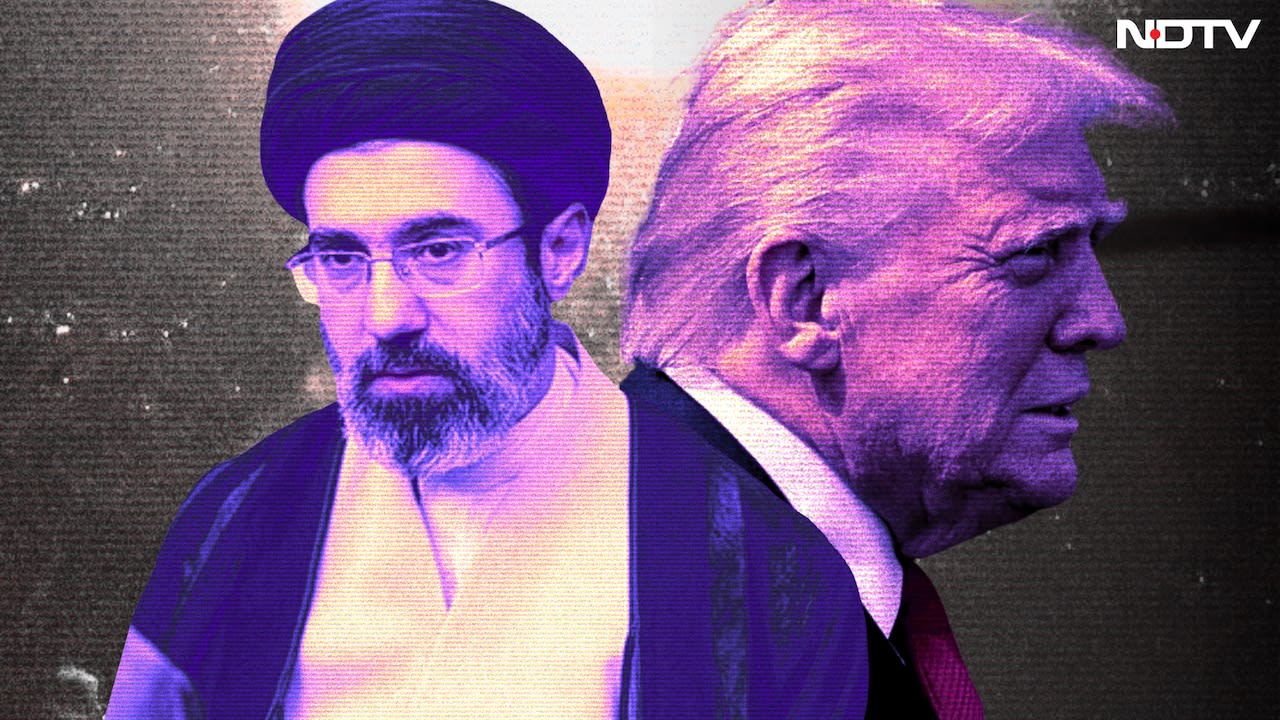
Iran is seeking $290 billion in damages from the United States for decades of alleged hostile actions. This legal maneuver highlights the deep-seated geopolitical tensions and historical grievances between the two nations.
Iran’s Legal Claim Against the United States: A Deep Dive
The Scope of the Claim
Iran has formally initiated a bid to seek $290 billion in damages from the United States, citing a range of actions spanning several decades. This move represents a significant escalation in the diplomatic and legal friction that has defined the Iran-US relationship since the 1979 Islamic Revolution. By quantifying these grievances at such a staggering figure, Tehran is signaling an attempt to leverage international legal discourse to address what it characterizes as systematic aggression.
Historical Context of Grievances
To understand the magnitude of this $290 billion figure, one must look at the historical timeline of the bilateral relationship. The claim encompasses decades of alleged US interference, which historically includes the 1953 coup d'état against Prime Minister Mohammad Mossadegh, the support provided to Iraq during the 1980s Iran-Iraq War, and the subsequent imposition of severe economic sanctions. Tehran views these events as a continuous pattern of destabilization that has hampered its national development and sovereignty.
Geopolitical Implications
This demand serves as more than just a financial request; it is a strategic political instrument. In the international arena, Iran uses such claims to frame itself as a victim of Western hegemony, aiming to gain sympathy or support from non-aligned nations. By formalizing these grievances, Iran creates a counter-narrative to the US-led international sanctions regime, effectively attempting to turn the table on the United States in the court of global public opinion.
The Legal and Diplomatic Reality
From a legal standpoint, the enforceability of such a claim remains highly questionable. International law typically requires the consent of sovereign states to be adjudicated in specific forums, and the United States has historically maintained a policy of sovereign immunity regarding such claims. Despite this, the move is a powerful rhetorical device. It forces the international community to acknowledge the specific list of historical interventions that Iran cites, thereby ensuring these issues remain at the forefront of diplomatic dialogues.
Future Trends and Outlook
Looking forward, this development is unlikely to lead to a payout but will likely lead to further hardening of positions. As Iran continues to face economic pressure, such legal filings become part of their broader defensive strategy. We can expect this to fuel further rhetoric in international forums like the United Nations, as both nations continue to engage in a battle of narratives that shows no sign of resolution in the near term.
Verification Required?