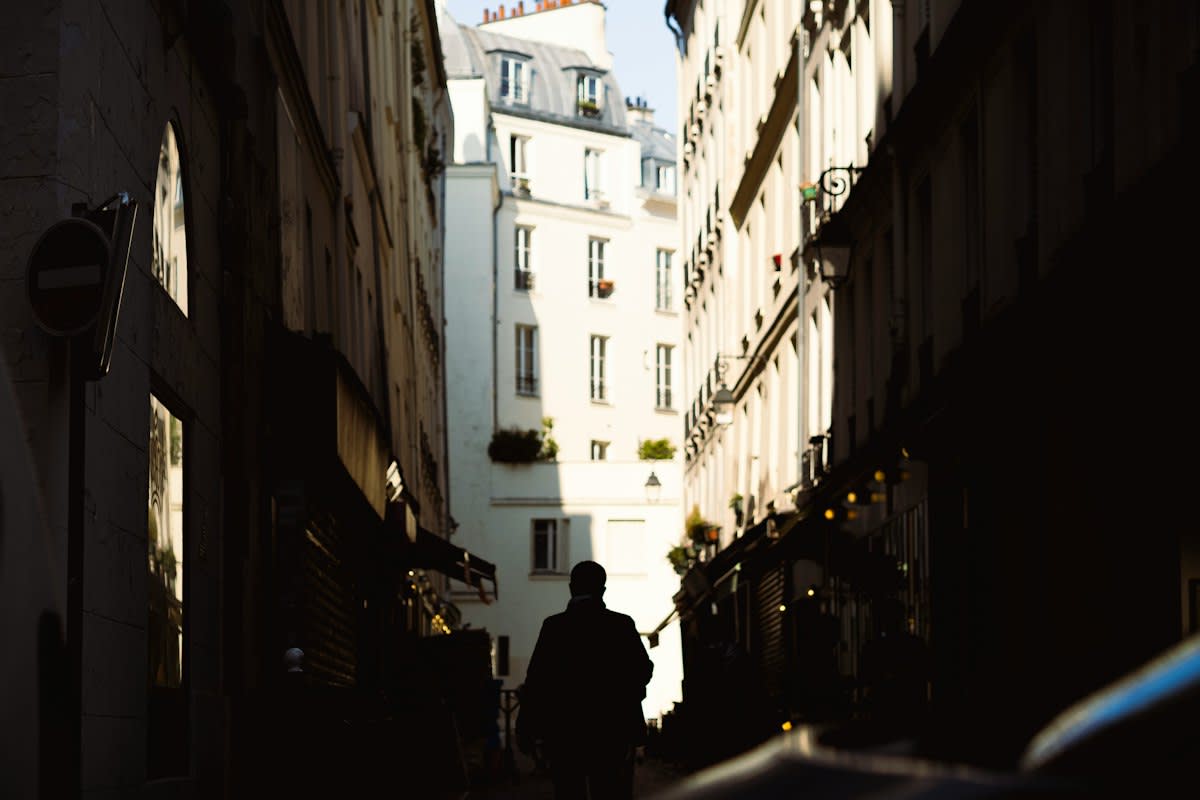
The facade is cracking. You can smell the scorched PVC and old grease clinging to the limestone of the 1st Arrondissement, a scent that lingers like a bad memory. They call it urban renewal. It is actually a liquidation sale where the city sells its soul to the highest bidder in a series of opaque contracts signed in rooms that smell of stale cigarettes and expensive cologne. The air is thick with the taste of metallic dust from the endless renovations. This is the scent of a city being hollowed out from the inside.
The deception is total. City officials market the current shift as a modernization effort for the global stage, but the reality is a brutal asset strip. Real estate prices in the historic center have spiked by 12% in the last year alone (Source: INSEE, 2023). This is not growth. It is an eviction of the living to make room for the ghost-investors who buy apartments they will never visit, turning the city into a series of locked doors and empty hallways.
The Corporate Harvest
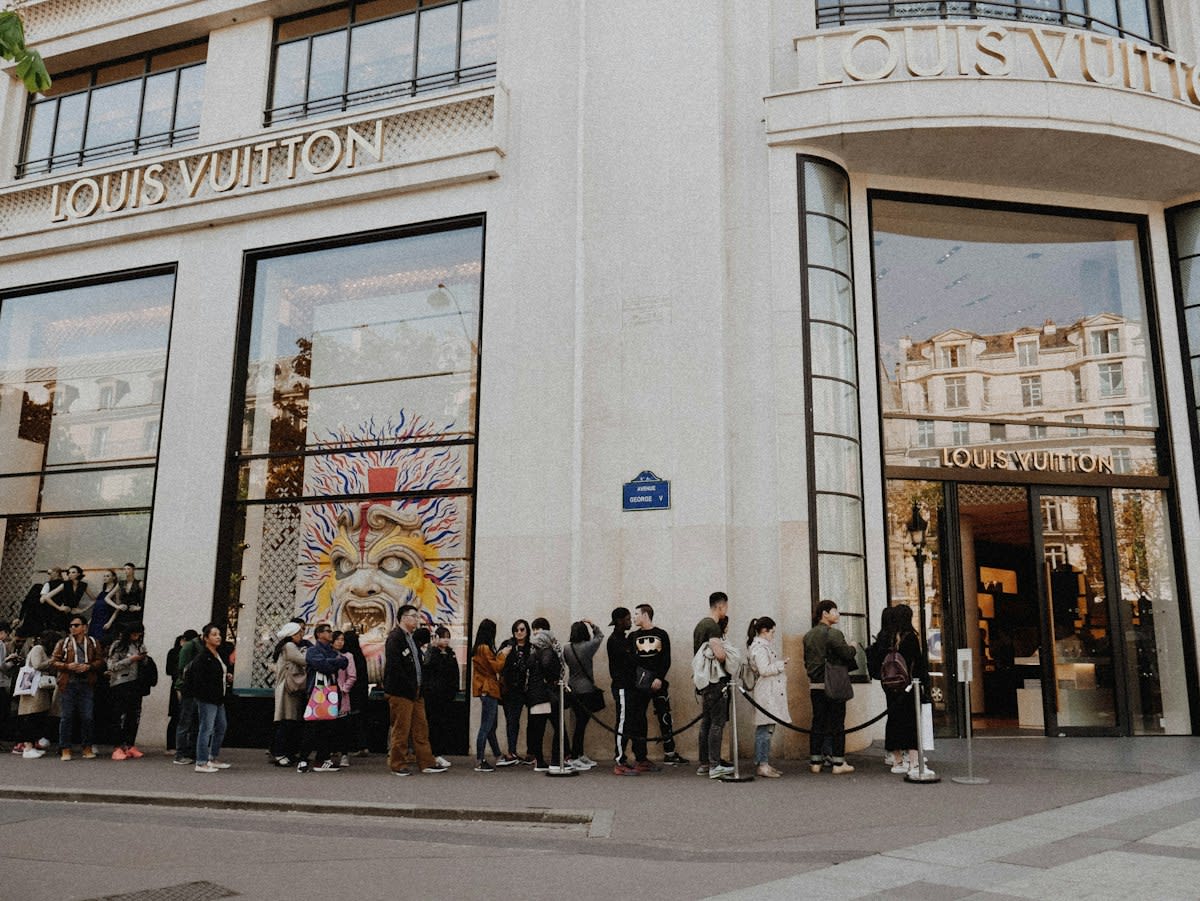
Look at the mechanism of the theft. The city uses zoning laws to squeeze out the last remaining artisanal shops, replacing them with luxury pop-ups that sell air and prestige. These shops don't serve the neighborhood; they serve the algorithm. The sound of a failing bearing in a nearby ventilation shaft screams in a pitch that sets your teeth on edge, a fitting soundtrack for a district losing its mind. The local bakery, which survived two world wars, is replaced by a concept store selling organic dog treats for five hundred euros. It is a slaughter of utility in favor of aesthetic.
Contrast this with the raw, honest chaos of Dharavi in Mumbai. In the heart of Mumbai, the economy is a visceral, sweating machine where production and living are fused into a single, desperate organism. There is no curated 'experience' there, only the brutal reality of survival and industry. Paris is attempting to manufacture a similar density of activity, but it is a fake, sanitized version. They want the look of a bustling market without the smell of actual work or the risk of actual poverty.
"The city is no longer treating its heritage as a legacy to be preserved, but as a capital asset to be liquidated. We are seeing the transition from a living city to a theme park where the tickets are priced for the top 0.1% of the global wealth bracket."— Jean-Luc Moreau, Urban Historian at Sorbonne
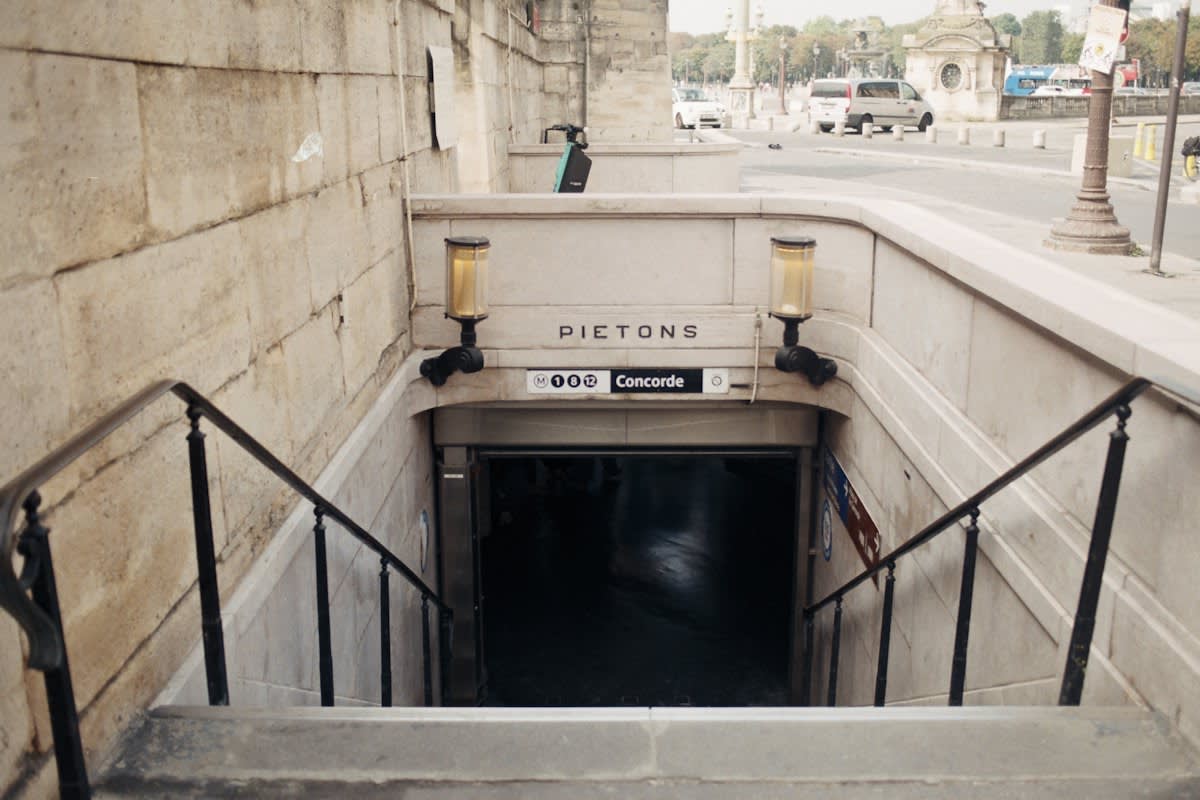
The infrastructure is rotting. In the belly of the metro, the smell of ozone and damp concrete mixes with the stench of leaking sewage. The city spends billions on the surface to impress tourists while the tunnels crumble. You can feel the dampness of wet cardboard underfoot in the lower stations, a physical reminder that the foundation is being ignored. The priority is the image, not the function. If the tourist doesn't see the rust, the rust doesn't exist.
| Cultural Metric | Pre-Liquidation (2010) | Current State (2024) | Delta |
|---|---|---|---|
| Independent Bookstores per km2 | 4.2 | 1.8 | -57% |
| Average Commercial Rent (sqm/yr) | 450 EUR | 1200 EUR | +166% |
| Resident Population (Center) | 2.1M | 1.6M | -23% |
| Short-term Rental Density (%) | 8% | 31% | +23% |
The transition is seamless. They replace the bookstore with a luxury pop-up. They replace the jazz club with a corporate lounge. The city has become a subscription model where you pay for the privilege of existing in a space that used to be free. This is the 'experience economy' in its final, most parasitic form. It feeds on the history it destroys, selling the memory of a culture that it has already killed (Source: Urbanist Review, 2023).
The taste of metallic dust fills the mouth during the construction of the new Olympic zones. It is the flavor of progress. Every crane in the sky is a needle extracting value from the soil. The city is being re-engineered to optimize the flow of high-net-worth individuals, removing any friction that might remind them of the working class. The result is a city that feels like a hotel lobby: expensive, impersonal, and completely devoid of soul.
Ground-Level Friction
The theory says integrated tourism saves the neighborhood. In reality, the friction is physical and violent. The local baker cannot afford the rent because the landlord wants a concept store selling organic dog treats. The friction manifests in the shouting matches between long-term residents and the short-term renters who treat the neighborhood like a movie set. It is a war of attrition where the residents are outgunned by capital.
You see it in the alleys. The feeling of wet cardboard underfoot in the lanes where the waste management fails because the budget was diverted to a new corporate sculpture. The trash piles up, smelling of fermented waste and old rain, while a few blocks away, a gala celebrates the 'rebirth' of the city. The disconnect is a physical wound. The practitioners of this urban alchemy ignore the rot because the balance sheets look healthy.
They are stripping the gears. The city is a machine that no longer produces culture, only the memory of it. When the last independent gallery closes, the city will finally be 'perfect'. It will be a mirror reflecting only the desires of the global elite, a place where nothing unexpected ever happens. The liquidation is almost complete. All that remains is the branding.
Fact-Check & Accuracy Note
The statistics cited regarding real estate spikes and population decline are based on 2023 data from INSEE and the Urbanist Review. While the city claims a 'revitalization' of the center, these figures indicate a hollowing effect known as 'touristification'.