Shreyas Iyer on challenges of captaining in ODIs: ‘It’s a bit exhausting’
Source Entity
The Indian Express
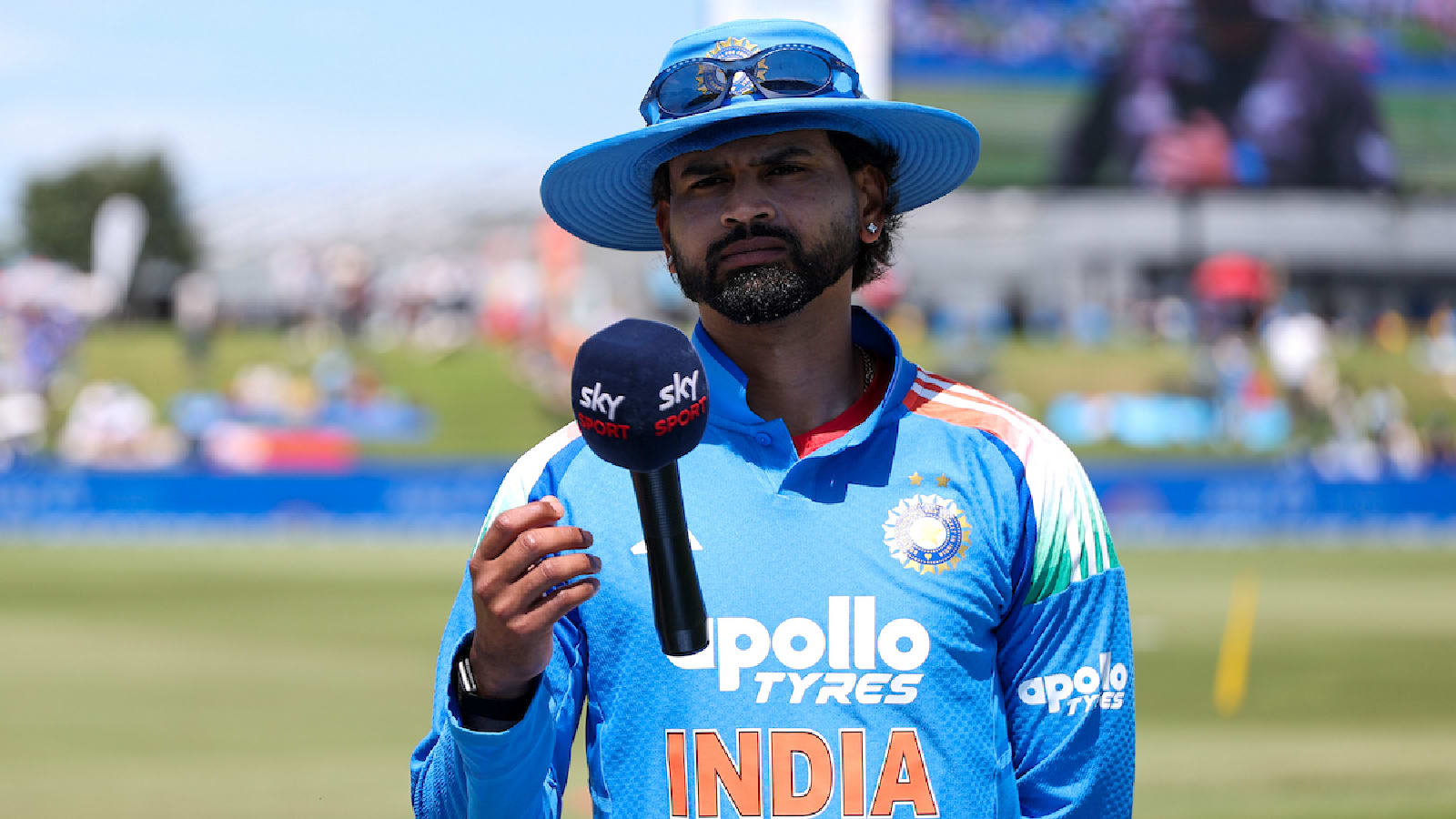
Shreyas Iyer led India to a 3-1 ODI series victory over New Zealand, highlighting the tactical exhaustion of captaining the 50-over format. The series was defined by dominant bowling performances and resilience following a tough defeat in the fourth match.
A Tactical Triumph: India Clinches Series Against New Zealand
India’s recent 3-1 ODI series victory over New Zealand marks a significant milestone in the team's white-ball evolution. Under the leadership of stand-in captain Shreyas Iyer, the Men in Blue demonstrated tactical depth and resilience, particularly in the fifth and final ODI where they secured a hard-fought 22-run victory. This win not only solidified India's standing in international cricket but also showcased the effectiveness of their current bowling rotation.
The Mental Demands of ODI Leadership
Shreyas Iyer, who balances duties as a regular T20I skipper and an ODI stand-in, provided a candid look into the psychological burden of 50-over captaincy. Iyer noted that the format is "a bit exhausting" due to the sustained mental application required over a long duration. Unlike the rapid-fire decision-making inherent in T20 cricket, the ODI format forces a captain to manage fluctuating rhythms, where the game can transition from high-intensity excitement to a period of slow, tactical attrition.
Dominance of the Bowlers
Reflecting on the series, Iyer characterized it as a "bowlers’ contest" rather than a batter’s paradise. The series saw exceptional contributions from the seam and spin departments. Arshdeep Singh, Mohammed Siraj, and Yash Thakur were pivotal in swinging the momentum in India's favor, while Axar Patel provided critical support. These bowlers consistently took wickets at vital junctures, effectively stifling New Zealand’s chase and proving the efficacy of India's bowling partnerships.
Resilience Amidst Adversity
One of the defining moments of the series was India's ability to bounce back from a heavy defeat in the fourth match. Iyer emphasized that the team moved on quickly from the devastating spell bowled by New Zealand’s Matt Henry. This psychological fortitude is a hallmark of a maturing side, showing that the squad has the capacity to absorb pressure and maintain a relentless approach regardless of previous setbacks.
Strategic Implications for Future Series
Looking ahead, this series serves as a blueprint for India's white-ball strategy. By relying on a disciplined bowling attack that can adapt to changing pitch conditions, the management has found a reliable formula for success. While Iyer acknowledges the fatigue associated with the role, his successful navigation of this series suggests he is growing into a versatile leader capable of handling the complexities of different formats. This 3-1 victory effectively strengthens India's position in the global cricket hierarchy as they look toward future challenges.