
The Current Pulse: The Fashion Shift
The global design landscape is hitting a critical inflection point. We are no longer talking about simple digitalization; we are witnessing a fundamental Fashion Shift. Recent calls for proposals from entities like the NEB Academy underscore a desperate need to redefine the future of fashion through systemic restructuring. This is not a mere aesthetic update. It is a structural pivot where the industry is forced to reconcile high-tech production with deep-rooted cultural identities.
Why now? Because the delta between traditional craftsmanship and digital scalability has finally closed. Twelve months ago, digital fashion was largely a novelty—pixels on a screen with no tether to reality. Today, the movement has evolved into a phygital strategy. By integrating the physical and digital, designers are reviving maximalist traditions that were previously too complex or costly to scale globally. The urgency is palpable in the current industry calls for innovation.
The Ancestral Blueprint
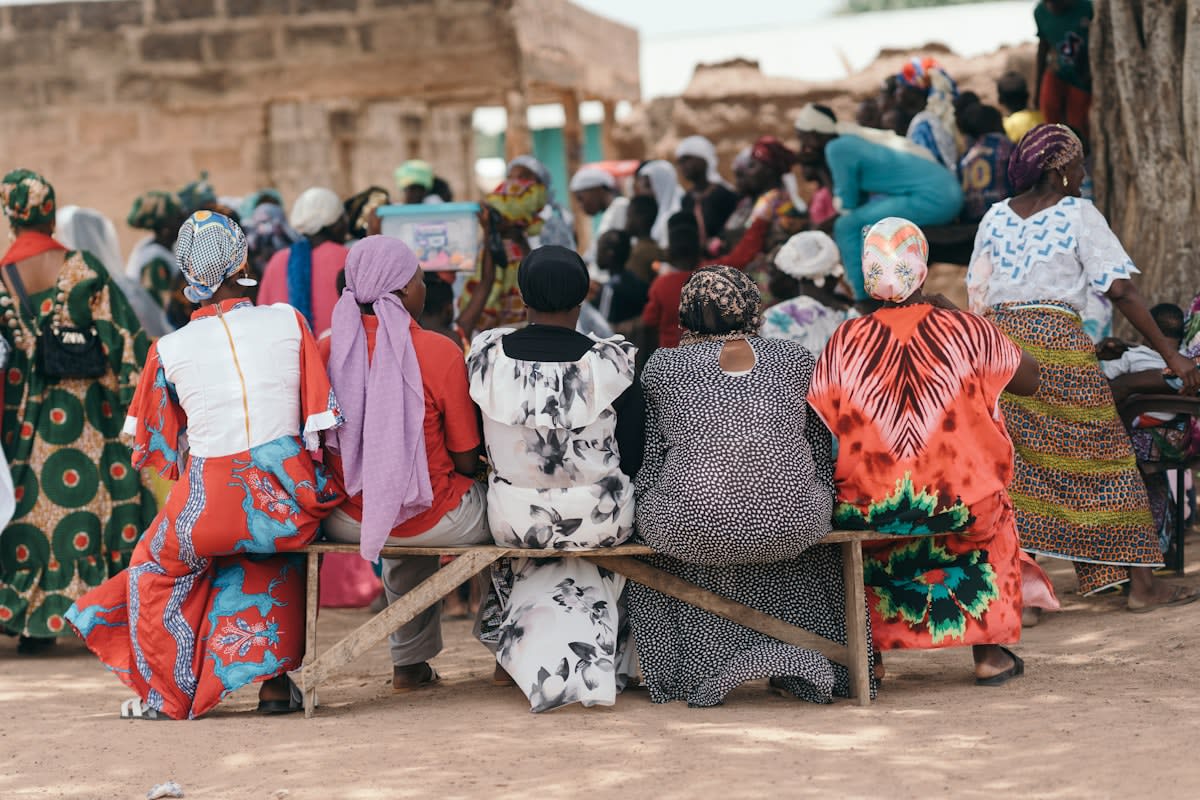
To understand this digital pivot, we must look back to the 16th century. In West Africa, cloth was not just attire; it was a currency. This period saw an intricate trade network with the Portuguese and Dutch, where locally produced fabrics served as a medium of exchange. The historical data reveals an exceptionally strong tradition of weaving within the Oyo Empire and the regions inhabited by the Igbo people. This was the original maximalism—a system where every thread carried economic and social value.
Does this historical context matter in the age of the metaverse? Absolutely. The transition from cloth-as-currency to digital-couture-as-asset is a direct evolution. The elite classes of the Oyo Empire used fabric to signal status and power; today's digital collectors use high-fidelity 3D garments to achieve the same effect. The medium has shifted from hand-loomed cotton to algorithmic renders, but the psychological driver—symbolic consumption—remains identical.
"What started as a textile that found its way into West Africa has become one of the strongest symbols of African creativity and self-expression."— Industry Insight via Instagram
Decoding the Phygital Model
The term phygital is often thrown around as a buzzword, but its actual application is more strategic. In governance data systems, as seen in recent 2023 reports, a phygital model involves the judicious use of paper and mobile apps to ensure service delivery. When we transpose this logic to couture, the phygital pivot means using digital twins to perfect maximalist designs before a single thread is woven. This eliminates waste and allows for the extreme complexity of West African patterns to be rendered with mathematical precision.
Strategic Insight
The phygital approach isn't about replacing the physical; it's about using digital tools to protect and amplify physical heritage. By creating a digital blueprint, the risk of losing ancestral weaving techniques is mitigated.
This synergy allows for a new kind of creativity. Designers are now treating fabric not as a finished product, but as a canvas. This perspective shifts the focus from the garment to the expression. By leveraging digital tools, the bold colors and intricate motifs of the Igbo and Oyo traditions can be exaggerated, animated, and evolved in ways that were physically impossible a decade ago.
| Feature | 16th Century Maximalism | 2026 Phygital Couture |
|---|---|---|
| Primary Function | Currency and Social Status | Cultural Identity and Digital Asset |
| Production Method | Hand-loomed weaving | Algorithmic Design + Physical Craft |
| Distribution | Regional Trade Networks | Global Digital Marketplaces |
| Value Driver | Material Scarcity | Design Complexity and Provenance |
The shift is evident when comparing current output to the trends of 2023. We have moved from simple 2D prints of African patterns to fully immersive 3D garments that react to virtual environments. This is the 'delta' we are tracking: the move from representation to simulation. The phygital pivot ensures that the physical garment remains the soul of the piece, while the digital version provides the reach.

The 2030-2050 Horizon
Looking forward, the trajectory is clear. Future trend forecasts from Quantumrun suggest that the integration of tech and culture will only accelerate through 2050. We are moving toward a world where the distinction between a digital asset and a physical garment becomes irrelevant. In this future, West African maximalism is perfectly positioned. Its inherent complexity and bold visual language are tailor-made for high-resolution digital environments.
Can this movement sustain itself without becoming a corporate caricature? The answer lies in the decentralized nature of the current shift. By using the phygital model to empower local weavers in West Africa while selling digital twins globally, the economic benefits can flow back to the source of the inspiration. This is the resilience of the pivot: it uses the tools of the future to fund the preservation of the past.
Adoption Curve of Phygital Design in Cultural Couture
Executive Insight
+18.4%
YTD Growth
Ultimately, the Phygital Pivot is about more than just clothes. It is a reclamation of narrative. For centuries, West African textiles were viewed through the lens of trade and colonization. Now, through the lens of digital couture, they are being reclaimed as the pinnacle of design sophistication. The world is finally catching up to the maximalism that the Oyo and Igbo empires mastered centuries ago.