Houthis, Saudis, Iran, and the regional power play
Source Entity
Latest News: Todays Latest News Headlines from India & World | Hindustan Times
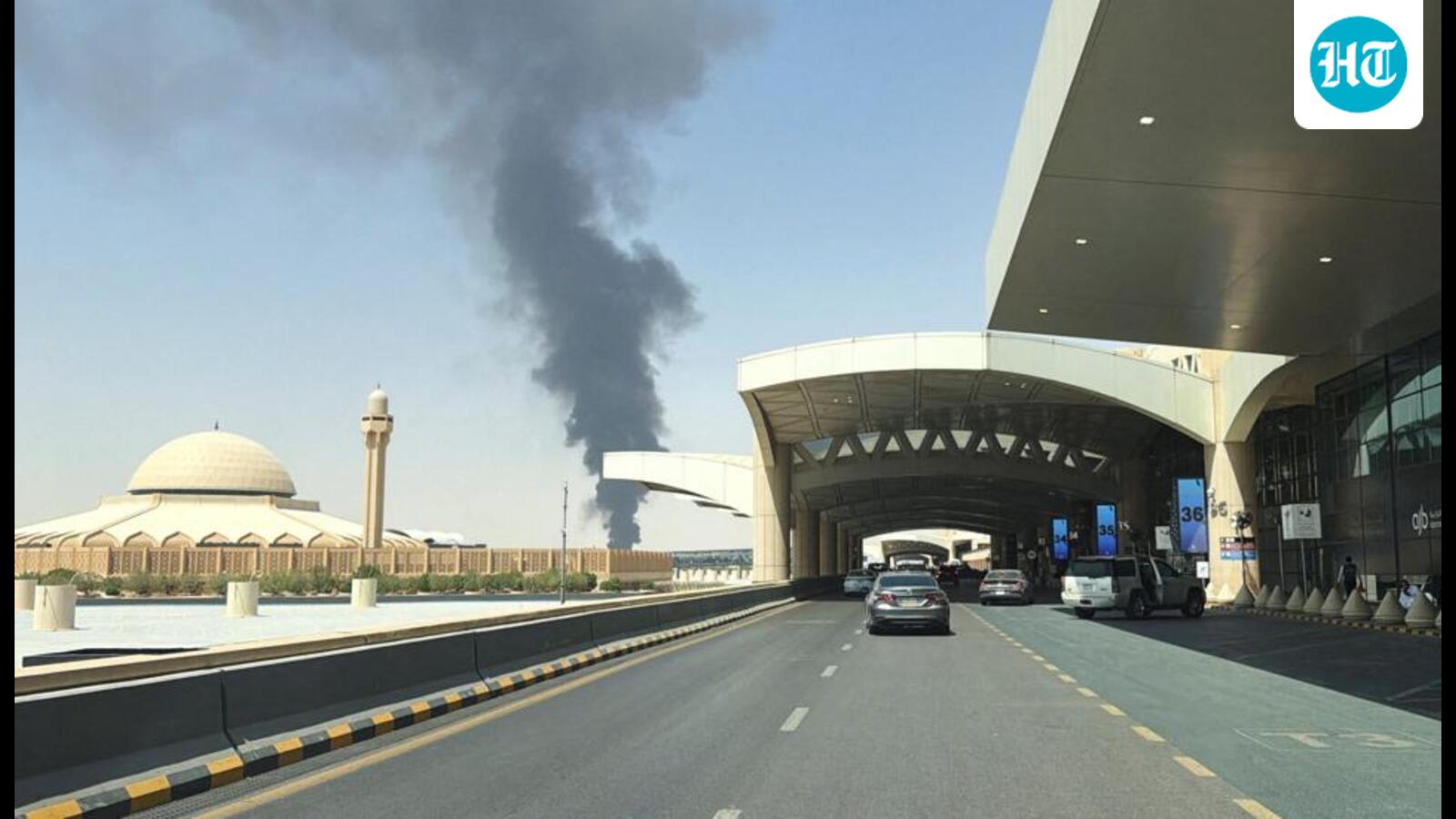
Houthi drone strikes on Saudi infrastructure represent a significant escalation in regional tensions. The conflict is increasingly defined by Iranian support for the Houthis and the broader geopolitical rivalry involving Saudi Arabia and the 'Axis of Resistance'.
The Escalation of the Saudi-Houthi Conflict
The recent drone strike on Saudi Arabia’s Dammam airport by the Houthi militia signifies a dangerous escalation in the ongoing regional conflict. By targeting critical infrastructure, the Houthis have demonstrated an increased capability to disrupt the Saudi heartland. This development is not an isolated tactical maneuver but reflects a deeper strategic alignment between the Houthi forces and the Iranian state, which reportedly provides the technical precision and coordinate data necessary for such strikes.
Impact on Saudi Arabia's Vision 2030
For Saudi Crown Prince Muhammad Bin Salman (MBS), these persistent attacks represent a severe impediment to his 'Vision 2030' initiative. This ambitious economic roadmap relies heavily on regional stability, foreign investment, and the transformation of the Kingdom into a global logistics and tourism hub. The vulnerability of Saudi airports directly undermines the perception of safety required to sustain such large-scale economic diversification, forcing the Saudi leadership to divert resources toward defense and security rather than development.
The Iranian Connection and the 'Axis of Resistance'
The relationship between Tehran and the Houthi movement has become the central axis of this instability. The reported facilitation of travel for Houthi leaders to Iran, coupled with the alleged presence of Islamic Revolutionary Guard Corps (IRGC) commanders, underscores the depth of this partnership. The IRGC’s coordination of the 'Axis of Resistance'—a network of regional proxies—uses the Yemeni conflict as a pressure point against Saudi Arabia, effectively turning the Arabian Peninsula into a high-stakes theater for asymmetric warfare.
Historical Context: The February Catalyst
The current regional volatility is rooted in the events of February, when the assassination of Supreme Leader Ayatollah Ali Khamenei in an alleged US-Israeli operation triggered a broader conflict. This singular event transformed the regional power balance, catalyzing a more aggressive posture from Iran and its proxies. The subsequent Saudi-led alliance efforts to intercept Iranian supply lines, including the bombing of airstrips suspected of harboring IRGC personnel, reflect a desperate attempt to contain the spread of Iranian influence through military means.
Future Trends and Regional Stability
Looking ahead, the trajectory of this conflict suggests a prolonged period of instability. As long as the Houthi militia remains a primary vehicle for Iranian strategic interests, Saudi infrastructure will likely remain a target. The reliance on drone warfare represents a shift toward low-cost, high-impact tactical operations that are difficult to mitigate entirely. Unless a diplomatic breakthrough addresses the underlying grievances of the regional power players, the cycle of strike and retaliation is expected to persist, keeping regional security at a critical tipping point.
Verification Required?