Iran's IRGC claims self-imposed ballistic missile range limit 'has been lifted'
Source Entity
SUBHADRA SRIVASTAVA
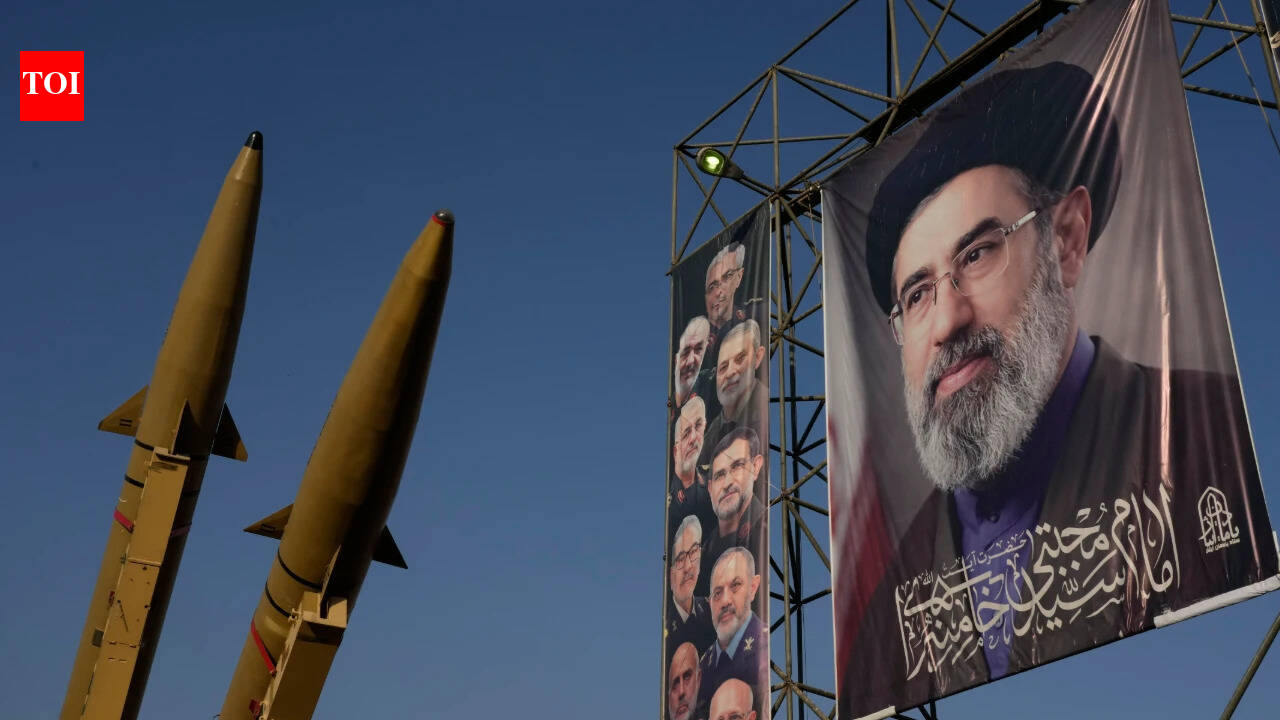
The IRGC has announced the removal of its 2,000-kilometer ballistic missile range limit, signaling a shift toward longer-range capabilities. Simultaneously, Iranian officials warned of strikes against US assets globally if hostilities persist, citing significant military gains.
Escalation in Tehran: Iran Lifts Ballistic Missile Range Restrictions
A Strategic Shift in Defense Doctrine
The Islamic Revolutionary Guard Corps (IRGC) has officially declared the end of its self-imposed 2,000-kilometer (1,200-mile) limit on ballistic missile range. This policy, which had previously served as a diplomatic signal of restraint, has been abandoned in favor of an unrestricted development strategy. IRGC spokesperson General Hossein Mohebbi confirmed this shift, indicating that Tehran intends to demonstrate these expanded capabilities through future practical applications rather than mere rhetoric.
The Geopolitical Implications of Extended Reach
By removing geographic constraints on its missile program, Iran is fundamentally altering its regional deterrence posture. The previous limit was largely viewed by international observers as a ceiling meant to avoid unnecessary provocation of Western powers. The decision to lift this restriction suggests a transition toward a more aggressive, long-range defense posture, specifically aimed at countering perceived threats from the United States and Israel. This move signals that Tehran is prioritizing technological parity over diplomatic optics in an increasingly volatile security environment.
Claims of Military Superiority and Recent Conflict
In parallel with the announcement regarding missile ranges, Iranian military leadership has made bold claims concerning the recent conflict with the United States. Brigadier General Mohebbi asserted that Iranian forces successfully downed 260 hostile aircraft, including advanced platforms such as F-35 and F-16 fighter jets, alongside various reconnaissance drones. While these figures represent a significant narrative of military resilience from Tehran, they underscore the intensity of the ongoing friction between the two nations.
Expanding the Theater of Conflict
The rhetoric from Tehran has grown increasingly defiant, with Army spokesperson Mohammad Akraminia explicitly stating that Iranian forces are no longer confined by regional boundaries. The warning suggests that if the United States resumes strikes, Iran is prepared to target American military installations outside the Middle East. This threat of "no geographic limits" marks a departure from localized containment, potentially widening the scope of the conflict to a global scale.
Domestic Manufacturing and Underground Infrastructure
Central to Iran's current military strategy is the development of hardened, domestic production facilities. The reports of "missile production cities" built underground highlight an effort to insulate Iran's defense manufacturing from external disruption or airstrikes. By prioritizing these secure, subterranean hubs, the Iranian military aims to maintain a steady output of munitions, ensuring that their defense network remains operational even under persistent pressure from foreign adversaries.
Future Trends and Concluding Summary
As the cycle of threats and counter-threats continues, the abandonment of self-imposed range limits suggests that Iran is bracing for a prolonged period of confrontation. The combination of claims of success in downing advanced aircraft and the promise of demonstrating new, long-range missile capabilities points to an arms race dynamic. With the US maintaining its stance and Iran increasing its military readiness, the coming months will likely see further testing of these new capabilities, marking a precarious new chapter in Middle Eastern security dynamics.
Multiple Citing Sources