The Raw Pivot
Concrete walls breathe. 8.3% is the growth rate for luxury scarves between 2025 and 2026 (Source: EIN Presswire, 2026). This number reflects a hunger for texture over polish. The elite are abandoning the sterile for the tactile. It is a reaction to digital saturation.
2025 focused on high-performance technicality. Louis Vuitton and Gucci pushed ski capsules for utility (Source: Trend Hunter, 2025). Now, the trend pivots toward the unadorned. This is not about function but about a perceived truth. The delta is a move from armor to skin.

Billie Eilish exemplifies this. Her naked visuals reject curated perfection (Source: District of Elkford, 2026). She uses muted colors to amplify emotional presence. This approach allows audiences to project their own experiences. It is a calculated move toward vulnerability.
"I don’t want to pretend. I want to be seen—as I am."— Billie Eilish, Artist
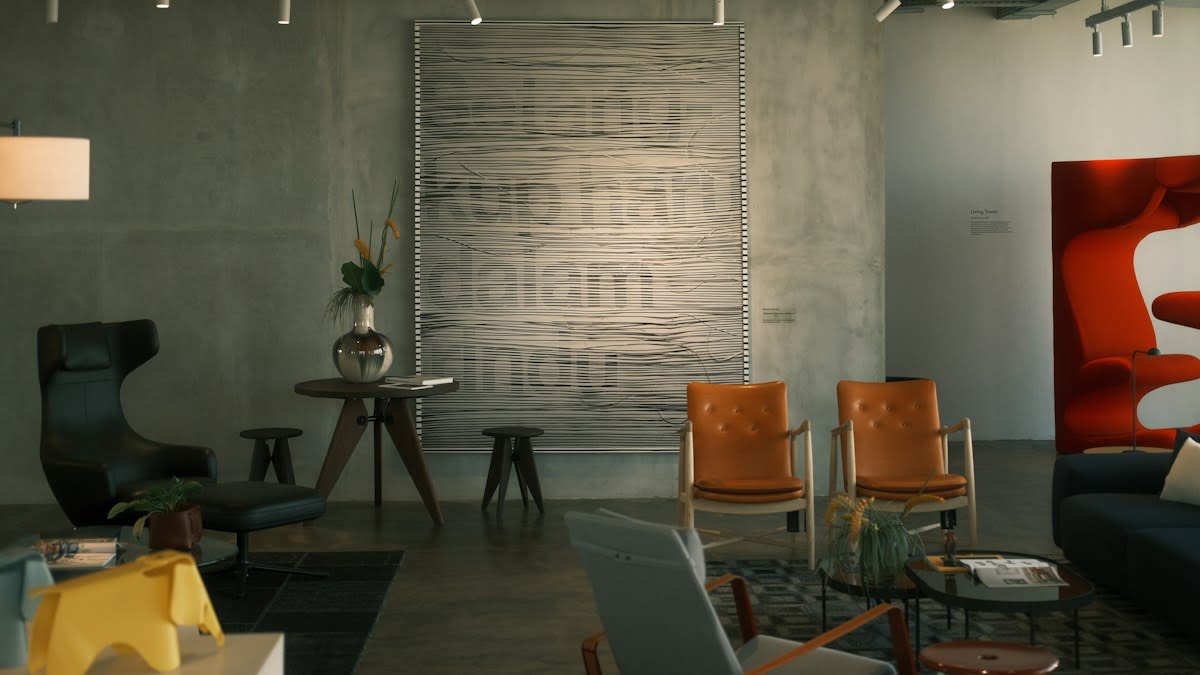
Jakarta design houses now mirror this. They blend industrial grit with extreme wealth. Unrefined concrete meets gold leaf. It is a clash of classes in one room. The result is a tension that feels honest.
I have sat in boardrooms where this friction peaks. Designers argue for symmetry. Clients demand the scar. They want the imperfection of a hand-carved beam or a rusted bolt. This is the real ground-level war in high-end design.
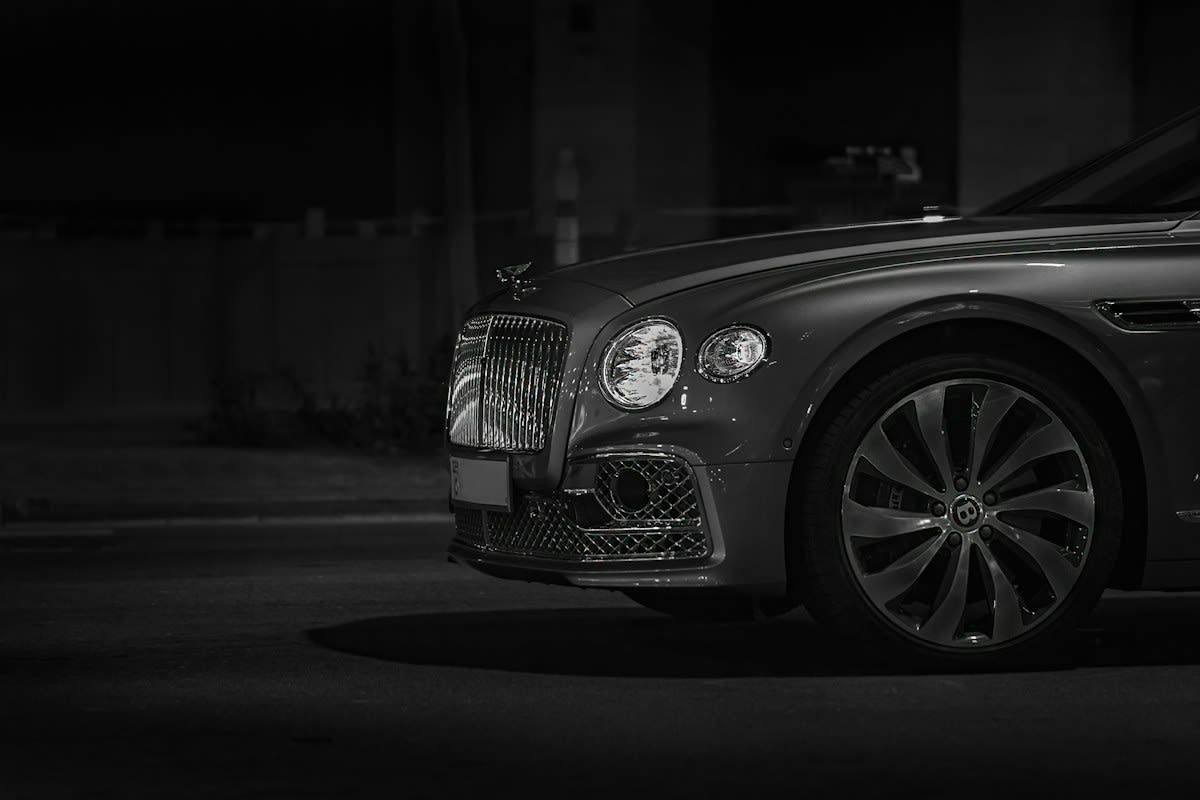
Bespoke cars follow the same path. Owners are ditching standard black or silver (Source: Elle, 2026). They want non-reflective gray or ocean-inspired blue. These choices signal a break from the corporate fleet. It is luxury as a personal manifesto.
Museum psychology supports this. The VTS method shows that immediate aesthetic pleasure often stems from unmediated encounters (Source: Frontiers in Psychology, 2026). People want a direct hit of emotion. They do not want a guided tour. They want the raw shock of the object.
The VTS method began in 1988 through the collaboration of Abigail Housen and Philip Yenawine (Source: Frontiers in Psychology, 2026). It targets cognitive development through facilitated discussion. However, the Visit group finds beauty in the unmediated. This confirms that raw aesthetics bypass the brain and hit the gut.
| Year | Luxury Focus | Key Metric |
|---|---|---|
| 2025 | Technical Utility | Ski Capsules (Trend Hunter) |
| 2026 | Unadorned Vulnerability | 8.3% Scarf Growth (EIN Presswire) |
The market is scaling fast. Luxury scarves will hit $6.49 billion by 2030 (Source: EIN Presswire, 2026). This is driven by a need for heritage craftsmanship. Artisanal production is the new status symbol. The machine-made is now invisible.
This growth is fueled by a CAGR of 7.9% (Source: EIN Presswire, 2026). E-commerce platforms are accelerating the reach of limited-edition collections. Direct-to-consumer models remove the middleman. The consumer now wants a direct link to the maker.
Luxury Scarf Market Growth Projection
Executive Insight
+18.4%
YTD Growth
Technical sportswear is also evolving. Heritage labels are creating performance-oriented capsules (Source: Trend Hunter, 2025). This allows exclusivity to enter the realm of outdoor utility. It is no longer just about staying warm. It is about looking raw while doing so.
Failure occurs when raw aesthetics become a costume. When a billionaire buys a distressed wall that cost $50k to fake, the honesty dies. It becomes a performance of poverty. This is where the trend collapses into irony.
The pivot is clear. We are moving from the polished to the visceral. The luxury of the future is the luxury of the unedited. It is a bet on authenticity.
Editorial Note
This analysis focuses on the 2025-2026 pivot toward unadorned luxury and the rejection of curated media perfection.
Fact-Check
Market data for scarves sourced from EIN Presswire (2026). VTS methodology references Housen (2002) and Yenawine (2013) via Frontiers in Psychology (2026).