As Priyanka backs son Raihan over exhibition, Bikaner House says photos were ‘inconsistent with policy’
Source Entity
Anusree K C
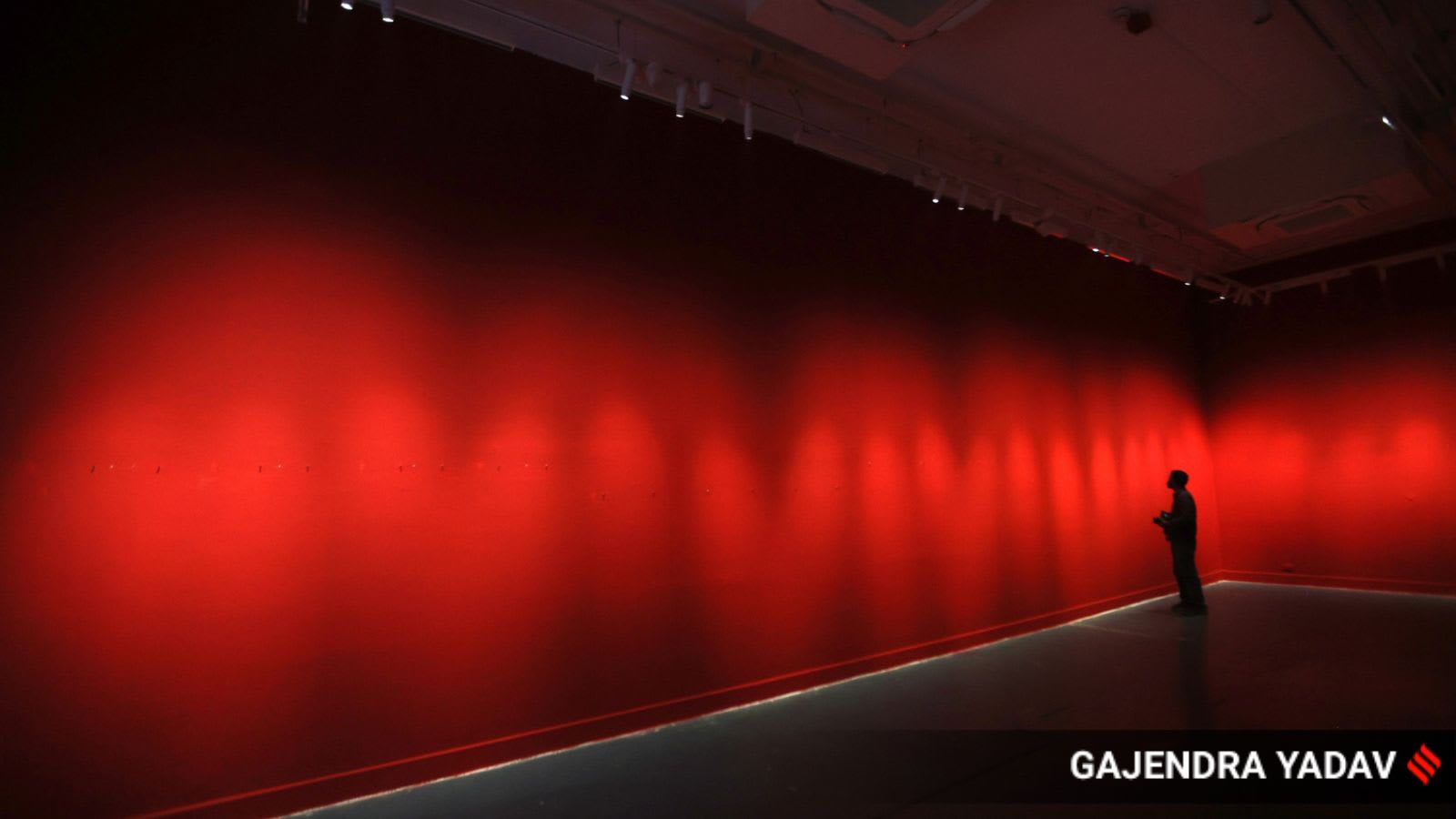
Priyanka Gandhi Vadra has publicly supported her son, Raihan Vadra, after authorities removed his photographs of Delhi protests from a Bikaner House exhibition. She emphasized the importance of freedom of expression and criticized the insecurity of those in power.
The Intersection of Art and Political Expression
Recent events at the Bikaner House in Delhi have brought the delicate balance between artistic freedom and institutional oversight into the spotlight. Raihan Vadra, a visual artist and the son of Congress leader Priyanka Gandhi Vadra, recently faced a situation where over 70 of his photographs were removed from his debut exhibition. The images in question reportedly depicted recent protests in Delhi, including a photograph of the national flag, which allegedly drew objections from the management of the venue.
The Controversy Over Censorship
The removal of these images has sparked a broader conversation regarding the constraints placed on creative expression within public or state-managed spaces. By targeting images that document civil unrest and protest, the management of Bikaner House has inadvertently highlighted the sensitivity surrounding political documentation in art. This incident serves as a case study in how institutions navigate the fine line between neutral space management and the perceived suppression of dissent.
Priyanka Gandhi’s Public Stance
Priyanka Gandhi Vadra’s intervention via social media platform X underscores the political gravity of the situation. Her message, which focused on the inherent weakness of those who fear the expression of others, serves as a defense of her son’s artistic autonomy. By framing the act of censorship as a loss of authority for those in power, she has elevated a local exhibition dispute into a commentary on democratic values and the importance of speaking truth to power.
Institutional Power and Artistic Freedom
The incident raises critical questions about the criteria used by institutional curators when hosting exhibitions. If art is intended to reflect the reality of the times, then the documentation of protests becomes a legitimate, albeit sensitive, subject. When institutions move to sanitize exhibitions by removing images of political demonstrations, it raises concerns about potential self-censorship and the narrowing of the public sphere for discourse.
Broader Implications for Visual Artists
For emerging artists like Raihan Vadra, such incidents highlight the hurdles of navigating spaces where political content may be viewed as controversial. This event may lead to a wider discussion within the Indian art community about the necessity of protecting the creator's right to document social realities. Moving forward, it is likely that this incident will serve as a reference point for future debates on institutional transparency and the boundaries of freedom of expression in India's cultural institutions.
Conclusion: The Cost of Fear
Ultimately, the situation at Bikaner House is more than just a dispute over a curated collection; it is a reflection of the ongoing tension between societal documentation and administrative control. As Priyanka Gandhi noted, the attempt to stifle expression often reflects more on the fragility of the censor than the subject being censored. The legacy of this event will likely be a renewed emphasis on the importance of artistic integrity in the face of institutional pressure.
Multiple Citing Sources