CJP’s Saurav Das, Ashutosh Ranka to be released after 7 days in jail: Magistrate court
Source Entity
Pragynesh
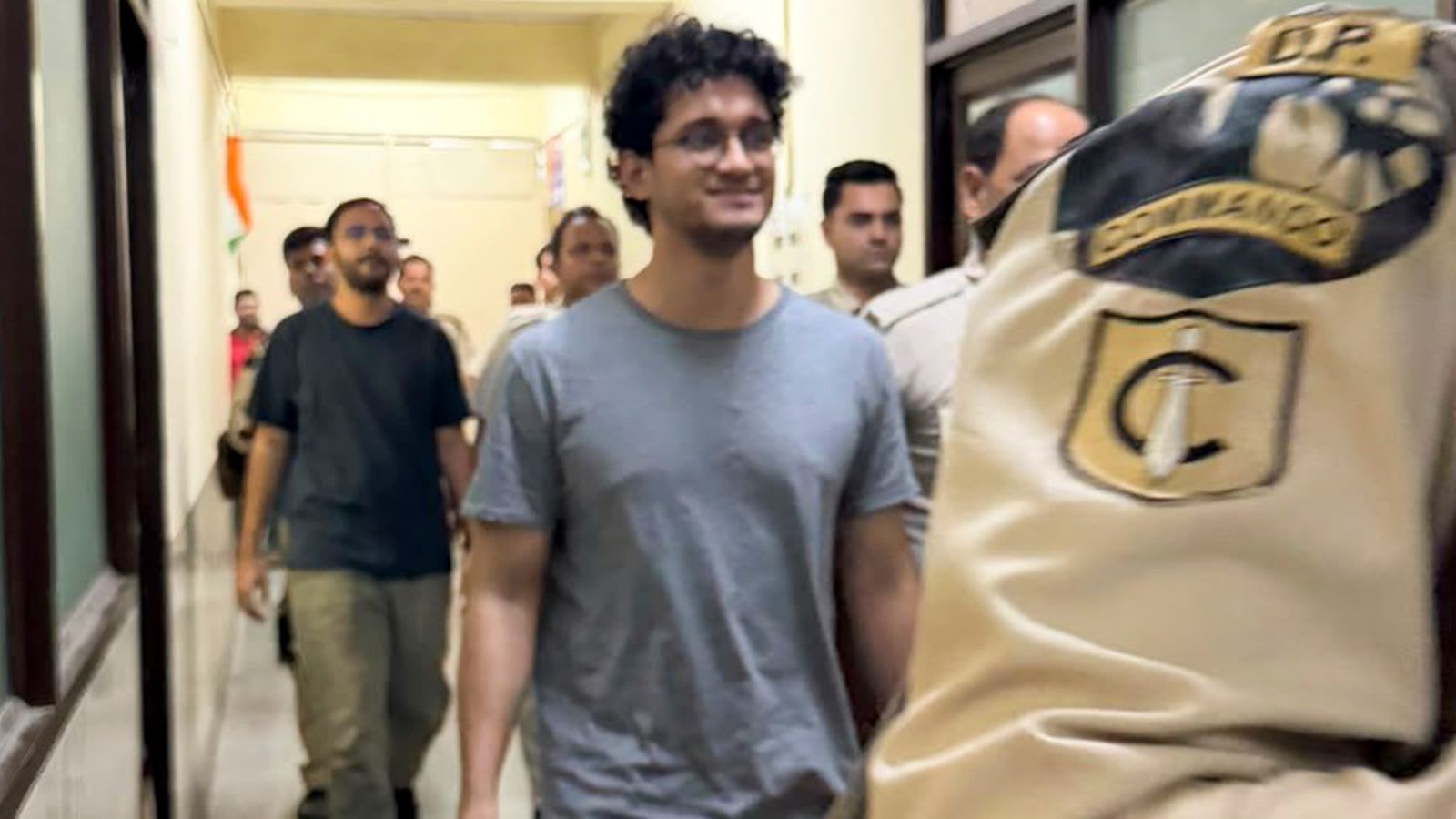
Cockroach Janta Party leaders Saurav Das and Ashutosh Ranka were released from judicial custody following an October 14 protest. Shortly after their release, they were summoned by the Delhi Police Crime Branch but have requested more time to appear.
The Legal and Political Aftermath of the Jantar Mantar Protest
The recent release of Cockroach Janta Party (CJP) leaders Saurav Das and Ashutosh Ranka from judicial custody marks a significant turning point in the party's ongoing confrontation with authorities. Following their detention in connection with the October 14 protest at Jantar Mantar, their release on October 21, 2026, was framed by party founder Abhijeet Dipke as a moment of organizational resilience. Dipke’s public endorsement, where he labeled his colleagues as "much, much bigger leaders" than himself, serves as a strategic move to solidify internal party cohesion and elevate the profile of his leadership team in the face of legal scrutiny.
Leadership Dynamics and Public Posturing
Abhijeet Dipke’s vocal support for Das and Ranka is indicative of a broader political strategy aimed at fostering a narrative of collective sacrifice. By expressing a willingness to take orders from those recently detained, Dipke is attempting to decentralize the party’s image, suggesting that the leadership is interchangeable and robust. This rhetoric of "Jaan hazir hai" (my life is ready) underscores a high-stakes political environment where legal repercussions are increasingly being used as a metric for commitment within the CJP’s ranks.
The Ongoing Legal Challenge
Despite the temporary relief of their release, the CJP leadership remains under intense pressure. The Delhi Police Crime Branch’s decision to summon both Das and Ranka to their Rajouri Garden office immediately following their release indicates that the investigation into the October 14 protest is far from concluded. Legal head Ratna Singh’s comment that the release should have happened sooner reflects the party's frustration with the judicial process, framing the detention as an excessive measure rather than a standard investigative procedure.
Strategic Evasion or Legal Necessity?
By seeking more time and skipping the initial scheduled questioning by the Crime Branch, Das and Ranka are employing a common legal strategy to prepare their defense. In high-profile protest cases, the timing of police questioning is critical, and the decision to delay suggests that the CJP is coordinating its legal response to address the specific allegations stemming from the Jantar Mantar demonstration. This move also maintains the tension between the party and law enforcement, keeping the narrative of state overreach alive in the public discourse.
Implications for Future Activism
This cycle of protest, detention, and interrogation reflects the precarious landscape for political activists in the capital. The CJP’s ability to frame these legal obstacles as badges of honor suggests a shift in how newer political entities navigate state mechanisms. As the investigation progresses, the party's ability to maintain its momentum will depend on its capacity to navigate these police summons while keeping its core membership engaged and unified against what they perceive as targeted judicial harassment.
Multiple Citing Sources