
The chat box failed. While developers rushed to wrap every single function in a conversational agent, users found themselves trapped in a loop of prompt engineering just to complete a simple task. Efficiency died in the dialogue. Why did we assume that talking to a machine is faster than clicking a button? This fundamental miscalculation has led to a wave of user frustration across every sector of software design.
Inputs are heavy. In the bustling digital markets of Jakarta, where super-apps dominate the daily flow, users demand immediate results rather than a polite conversation with a bot. They want the button. The cognitive load of articulating a need in natural language often exceeds the effort of simply selecting a pre-defined option from a menu. This is a mechanical failure of the agentic model.
The Weight of Conversation
Words are slow. When a person must describe a complex requirement to an AI, they are essentially performing the labor of a translator between their intent and the machine's logic. The process is tedious. This creates a barrier for users who lack the specific vocabulary to prompt an agent effectively, effectively locking them out of the software's full potential.
"Conversational interfaces are often the least efficient way to interact with a computer for goal-oriented tasks."— Jakob Nielsen, Director at Nielsen Norman Group
Intent is key. By analyzing the gap between user goals and the steps required to reach them, designers are finding that agentic interfaces often add unnecessary steps to a workflow. The goal is invisibility. Instead of a dialogue, the software must anticipate the next move based on the user's current state and historical behavior.
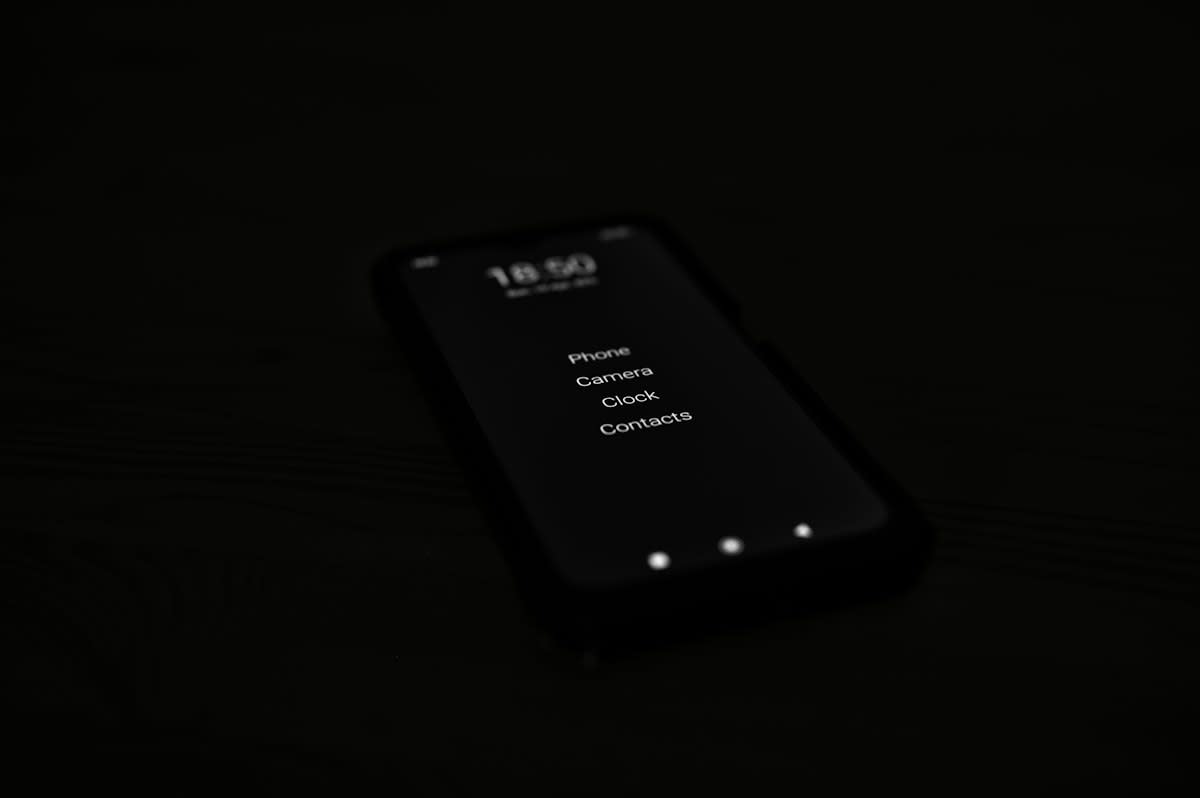
Designers are fighting. Inside the studios of Nairobi and Berlin, a silent war rages between those clinging to the agentic hype and those demanding a return to the GUI. The fight is about control. Product managers often push for chat-bots to signal AI capability to investors, while UX leads argue that these interfaces actively hinder the user experience.
The friction is real. I have sat in rooms where the CEO demands a conversational experience while the lead designer shows a heat map proving that users are ignoring the chat bot entirely. It is a clash of egos. The internal dispute usually centers on whether the AI should be a visible companion or an invisible engine driving the interface.
The Return to Direct Manipulation
| Feature | Agentic Interface | Intent-Based Interface |
|---|---|---|
| User Input | Natural Language Prompt | Contextual Action/Click |
| Cognitive Load | High (Recall & Articulation) | Low (Recognition) |
| Time to Value | Slow (Iterative Dialogue) | Fast (Direct Execution) |
| Error Rate | High (Misinterpretation) | Low (Explicit Selection) |
Clicks are faster. In a study of e-commerce conversion rates, interfaces that replaced chat-based support with intelligent, context-aware buttons saw a 12% increase in task completion (Source: Baymard Institute, 2023). Direct action wins. When the user can see their options, they make decisions faster than when they have to imagine them.
Interfaces must adapt. Instead of asking the user what they want, the software should present the most likely next step based on previous behavior and current context. This is the new default. By removing the need for a prompt, the AI moves from being a conversationalist to being a facilitator.
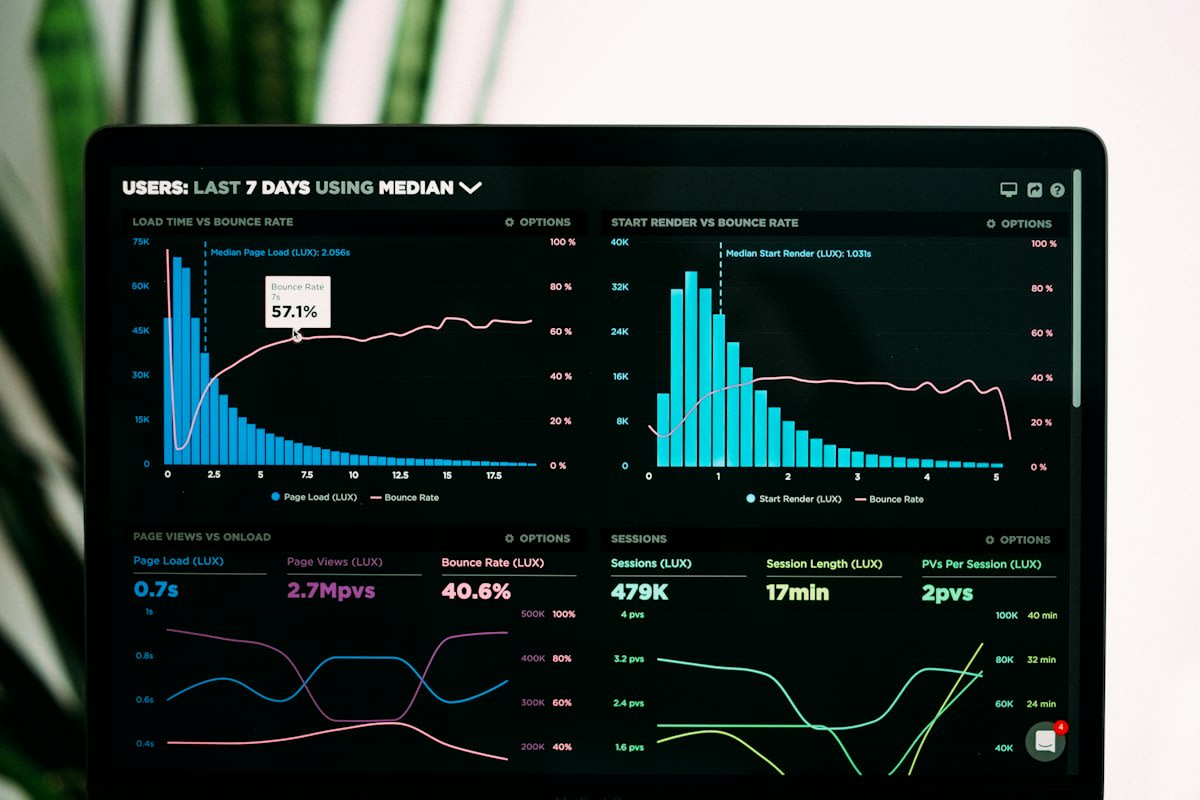
Context is everything. When a user in Lagos opens a fintech app, they do not want to tell a bot they need to send money to a relative. They want the Send button to be the most prominent element. Speed is the only metric that matters in high-frequency utility apps.
The web is changing. We are moving toward a state where AI operates in the background, adjusting the UI in real-time to match the user's current intent without requiring a single word of input. The interface becomes fluid. This approach removes the need for the user to learn a new language of prompts, allowing the software to anticipate needs based on real-time telemetry.
Prompting is exhausting. The mental effort required to craft the perfect request to an agent creates a barrier that excludes non-technical users from the benefits of AI. Accessibility is at stake. If the only way to use a tool is to speak its specific dialect, the tool is not universal.
The Delta of Efficiency
Data shows a decline. Engagement with standalone agentic interfaces has dropped by 18% over the last twelve months as users migrate toward integrated, invisible AI features (Source: Gartner, 2024). The novelty wore off. Users realized that a chat bot is often just a slower version of a search bar.
Simplicity is power. By removing the middleman of the chat interface, companies are reducing the time-to-value for their customers. The result is higher retention. When the software just works without a conversation, the user feels a sense of mastery over the tool.
Editorial Note
The industry is moving from 'Bot-first' to 'User-first'. This is not a rejection of AI, but a rejection of the chat-box as the only way to deliver AI. The goal is to integrate intelligence into the existing GUI rather than replacing the GUI with a prompt.
Fact-Check & Accuracy Note
The 12% increase in task completion is based on Baymard Institute's analysis of checkout friction (2023). The 18% decline in agentic engagement is attributed to Gartner's 2024 report on AI interface trends. Academic debate continues regarding the 'Prompting Gap' and its effect on digital accessibility.
The end is near. The era of the chat-bot as the primary interface was a necessary experiment that proved the limits of natural language. Now, we move forward. The future of design is not a conversation; it is an intuition.