Transgender rights, healthcare should not be compromised
Source Entity
India Latest News: Top National Headlines Today & Breaking News | The Hindu
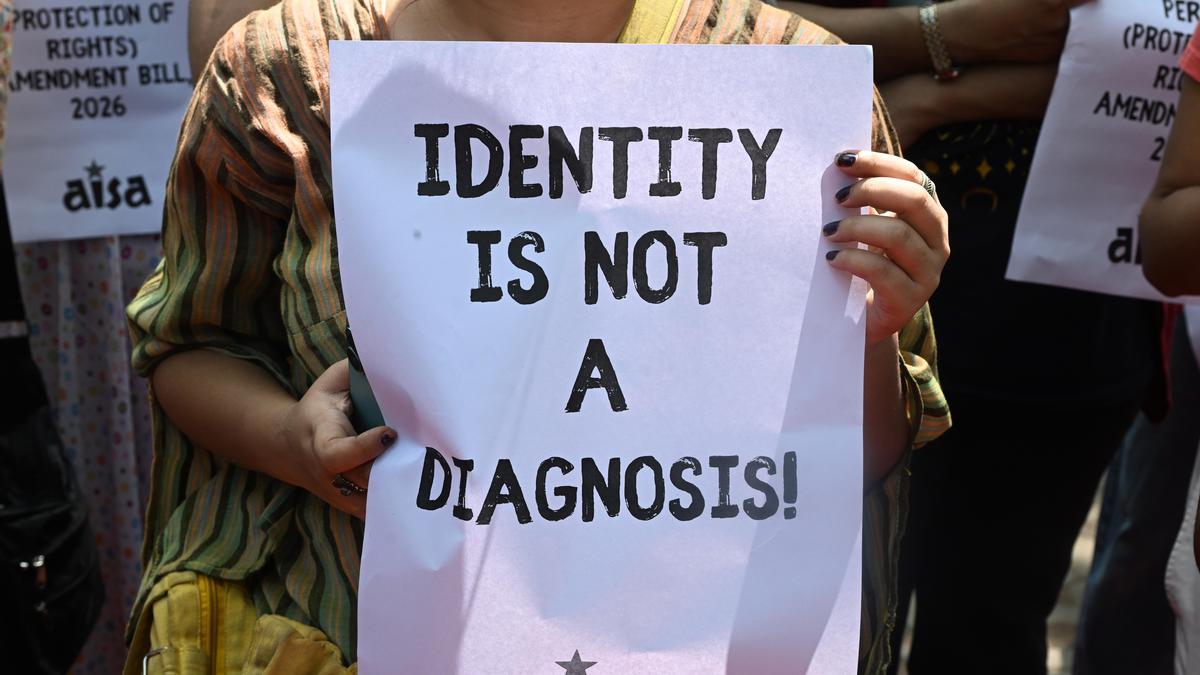
The 2026 amendment to India's Transgender Persons Act shifts legal recognition from self-identification to a medicalized, administrative process. Experts emphasize that this legal transition must be matched by urgent improvements in clinical training and healthcare accessibility for transgender individuals.
The Shift in India's Transgender Rights Framework
The passage of the Transgender Persons (Protection of Rights) Amendment Act, 2026 marks a pivotal, albeit controversial, juncture in India’s legal landscape. By pivoting away from the principle of self-identification established in the 2019 Act, the new legislation mandates a rigorous process involving medical board recommendations and certification by a District Magistrate. This transition effectively moves the state's stance from one of individual autonomy to one of bureaucratic and medical oversight.
Implications of Medicalized Recognition
This legislative change fundamentally alters the philosophical foundation of rights for transgender persons in India. By requiring a selection from prescribed categories and official medical assessment, the state is asserting greater control over gender identity. While proponents may argue this provides a structured administrative framework, critics suggest that such requirements could create significant barriers to entry, potentially alienating those who do not fit narrow medical definitions or who cannot access the necessary bureaucratic infrastructure.
The Healthcare Gap in Practice
Beyond the legal recognition, there is a glaring disparity in the actual clinical care available to transgender individuals. Current clinical understanding of transgender health needs remains rudimentary across India’s medical infrastructure. The transition to a medicalized legal status highlights a deeper irony: while the law now demands medical certification, the medical community itself is often ill-equipped to provide inclusive, sensitive, or competent care to the community it is now tasked with 'certifying.'
The Need for Systemic Sensitivity
For these legal protections to translate into tangible health outcomes, comprehensive training is required throughout the healthcare ecosystem. This includes not only doctors and nurses but also frontline staff such as receptionists and security personnel. Without sensitizing hospital administrators and support staff to the basic health needs of transgender persons, the institutionalization of gender recognition may inadvertently reinforce the very exclusionary practices the law aims to mitigate.
Future Trends and Challenges
Looking forward, the implementation of the 2026 Act will likely be a litmus test for the balance between state authority and individual rights. The success of this policy will depend on whether the government can streamline the medical board process to prevent excessive gatekeeping. If the administrative burden becomes too great, it may hinder the very protections the Act seeks to provide. Ultimately, the future of transgender rights in India depends on bridging the gap between rigid legal definitions and the fluid, diverse reality of individual lives, ensuring that healthcare is treated as a right rather than an administrative hurdle.
Verification Required?