The data is very preliminary, but Vulcan failure may not be due to BE-4 engines
Source Entity
Eric Berger
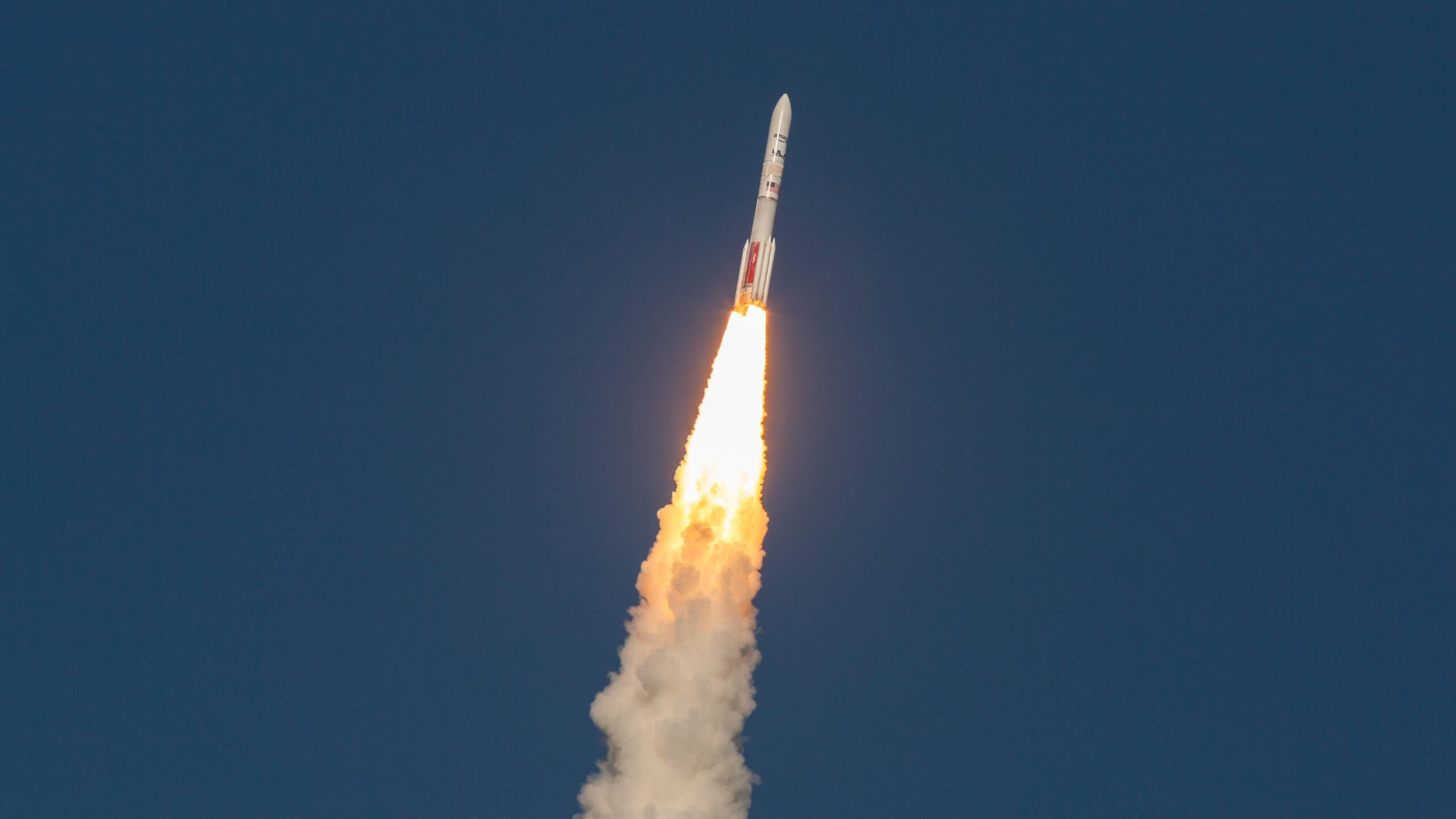
United Launch Alliance has confirmed a failure during the Vulcan rocket's return-to-flight mission due to low booster performance shortly after liftoff. While the mission was lost, preliminary data suggests the BE-4 engines may not be the primary cause of the anomaly.
Analysis of the Vulcan Rocket Mission Failure
United Launch Alliance (ULA) has officially confirmed that its recent Vulcan rocket return-to-flight mission encountered a critical failure during the initial stages of its flight. According to company statements, the mission suffered a loss of telemetry approximately 10 minutes after liftoff. This event represents a significant setback for ULA, particularly as the Vulcan platform is intended to be a cornerstone of the company’s future launch capabilities and a direct competitor in the burgeoning heavy-lift launch market.
Understanding the Failure Mechanism
The root of the anomaly, as described by ULA, stems from "low booster performance" occurring shortly after liftoff. This performance deficit prevented the vehicle from achieving the necessary altitude and velocity required for successful orbit insertion. Consequently, the rocket underwent stage separation while it was still too low in the atmosphere and moving too slowly to maintain a stable trajectory, ultimately leading to the loss of the mission.
Clearing the BE-4 Engines
A critical aspect of this investigation involves the BE-4 engines, which power the Vulcan core stage. In the aerospace industry, the propulsion system is often the first point of scrutiny during a launch failure. However, ULA has indicated that the data, while preliminary, suggests the BE-4 engines may not be the culprit behind this specific failure. This distinction is vital for Blue Origin, the manufacturer of the BE-4, as it helps isolate the issue to other potential systems within the core stage architecture.
Performance of Subsystems
Amidst the investigation, ULA has clarified the performance of other major components. The company confirmed that both the Centaur V upper stage and the solid rocket boosters functioned nominally throughout the flight. By isolating these systems as healthy, investigators can narrow the scope of the root cause analysis, focusing more intensely on the core stage components that exhibited the unexpected performance degradation immediately following ignition.
Broader Implications for ULA
This incident carries heavy weight for ULA as it attempts to establish the Vulcan rocket as a reliable workhorse for government and commercial payloads. The fact that information is being "closely held" by both ULA and Blue Origin indicates the complexity and sensitivity of the ongoing investigation. The industry is watching closely, as the reliability of the Vulcan is not only a matter of corporate success but also a critical factor in maintaining the current launch cadence required for national security and scientific missions.
Future Outlook and Next Steps
Moving forward, the focus will shift toward transparently identifying the specific mechanical or software-driven cause of the "low booster performance." While the initial data is preliminary, the aerospace community anticipates a thorough investigation report. The future of the Vulcan program will depend heavily on ULA's ability to diagnose this anomaly, implement a robust fix, and demonstrate flight readiness to its partners and stakeholders in the coming months.