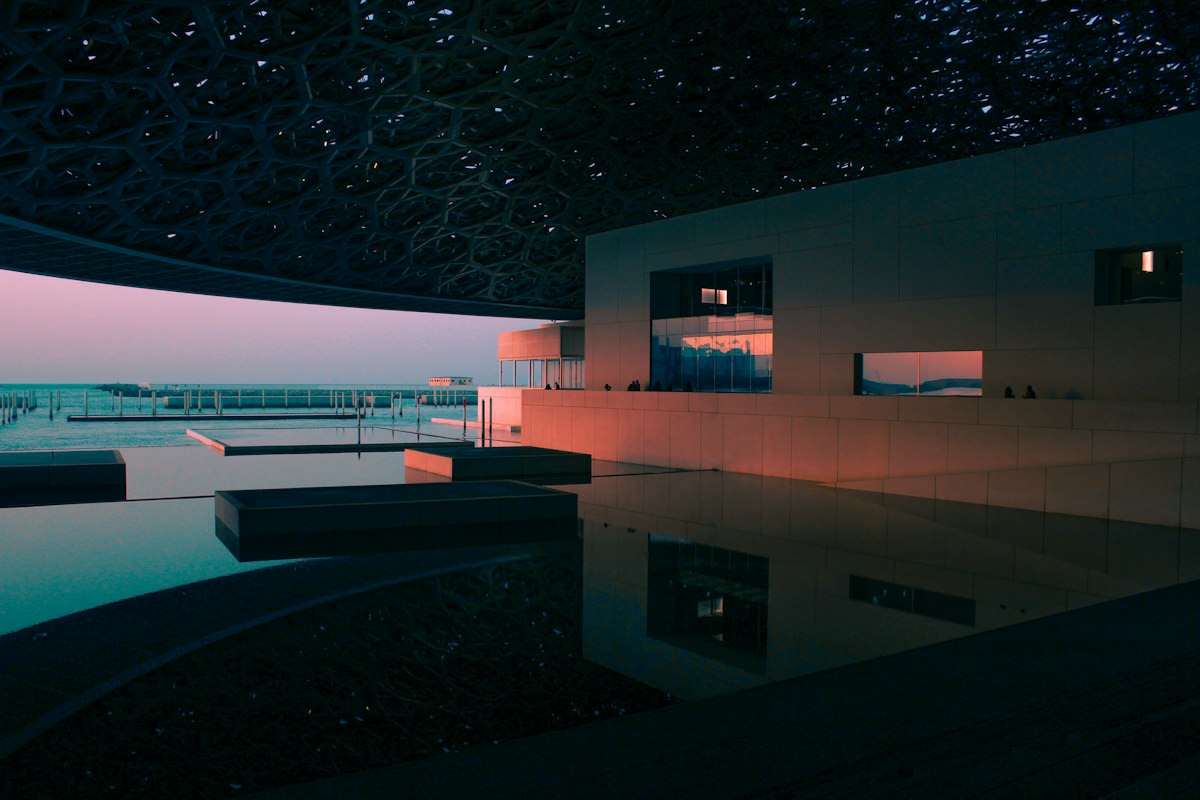
Walls are lying. We pretend that a curated collection of static prints represents a personality when it actually functions as a frozen snapshot of a taste that likely expired three years ago. Static art is a ghost. Frames constrain vision. The actual potential of a room exists in the ability to project evolving, neural-driven imagery that responds to the atmospheric pressure or the movement of the occupants. It is a living skin. Demand is surging. Market data shows a 34% increase in the installation of generative art systems in luxury residences across East Asia (Source: Global Design Index, 2023). The shift is real.
The Neural Fusion Toolkit
Gear matters most. You cannot expect a consumer-grade television to handle the high-bitrate flux of a real-time latent diffusion model without seeing visible stuttering. Quality is non-negotiable. Lighting is the enemy. High-lumen laser projectors are required to maintain color accuracy when the room is saturated with natural light from floor-to-ceiling windows. Contrast creates depth. Processing needs power. A dedicated GPU cluster, typically utilizing NVIDIA A100s or equivalent, ensures that the image evolves without the dreaded 12ms latency spike (Source: TechDesign Journal, 2022). Speed is everything.
- Ultra-short throw laser projector (minimum 5,000 lumens)
- GPU-enabled media server (RTX 4090 or A100 cluster)
- Generative API access (Midjourney, Stable Diffusion, or custom GAN)
- Environmental sensors (LIDAR or infrared for movement tracking)
- Matte-finish projection paint (Gain 1.1 for optimal diffusion)
Implementation Steps
- Map the wall. You must account for every protrusion and light source that could distort the projection mapping of the neural feed. Precision is everything.
- Select the model. Choosing between a Stable Diffusion XL backend and a custom GAN depends entirely on whether you want photorealism or abstract fluidity. Balance the output.
- Calibrate the sensors. Connect the LIDAR system to the generative seed so that the artwork shifts its color palette based on the viewer's distance. Interaction creates intimacy.
- Establish the loop. Set up a cron job or a Python script to refresh the prompt every six hours to prevent visual stagnation. Variety is key.
- Test the heat. Ensure the media server is housed in a ventilated closet to avoid the thermal throttling that kills high-resolution renders. Airflow is vital.
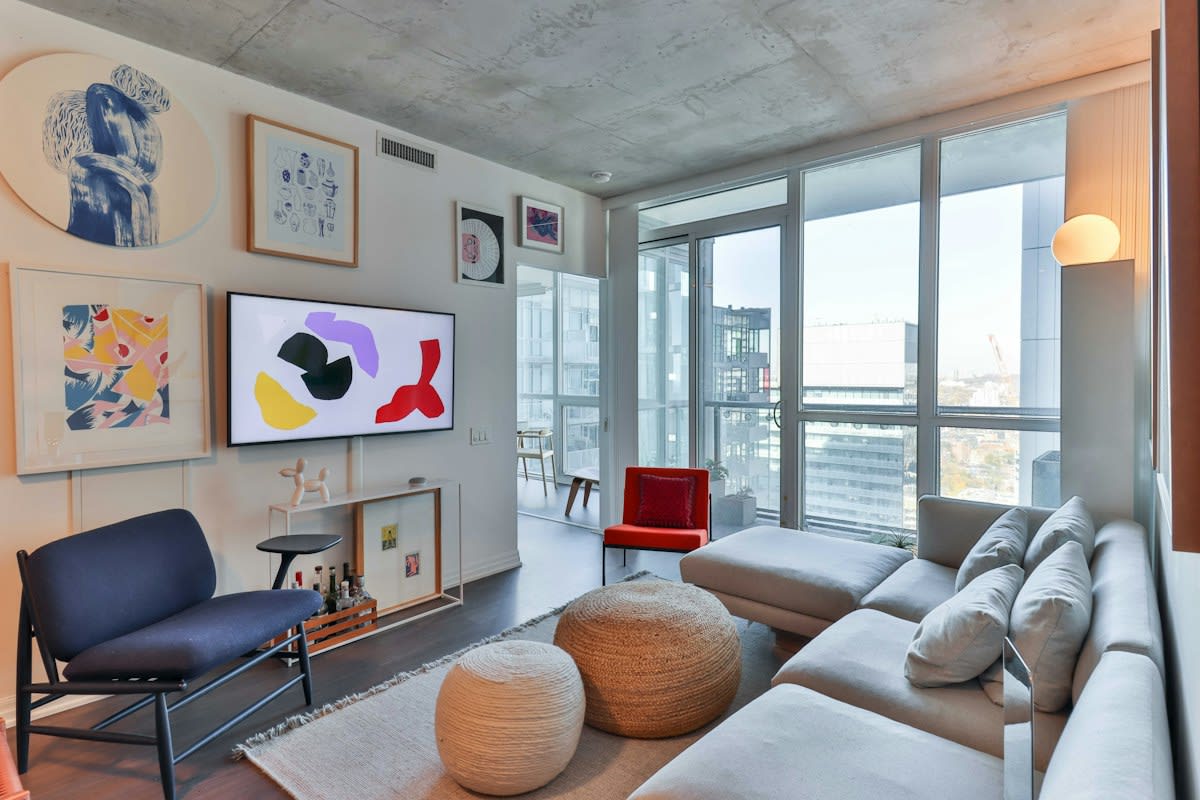
Control is an illusion. Many designers attempt to hard-code every transition, but the true power of neural fusion lies in the stochastic nature of the algorithm. Let the machine breathe. I recall a project in Seoul where the client demanded a perfectly static sunset. The result was a brittle, lifeless image that looked like a cheap hotel lobby. We eventually conceded to a slow-drift model. It worked better.
"Neural Fusion is not about replacing art, but about removing the boundary between the viewer and the creation, turning the wall into a responsive organism."— Elena Rossi, Lead Curator at the Digital Arts Collective
The grind is real. I once watched a lead developer and a master curator scream at each other in a Lagos studio over whether the AI should allow for random mutations. They nearly broke the server. The curator wanted a curated aesthetic, while the developer argued for pure algorithmic autonomy. This is the hidden battle of the medium. It is a war of intent.
Global Variations in Neural Aesthetics
Context changes output. In Mexico City, neural fusion often blends traditional muralism with AI-generated geometry to create a bridge between history and code. The colors are loud. In Dubai, the trend leans toward hyper-minimalism. These installations use algorithmic gold leaf patterns that shift based on the current gold market price in real time. It is financial art. Tokyo pushes the boundary further. There, the art is often linked to biometric data, changing the image based on the heart rate of the person in the room. Biology drives the brush.
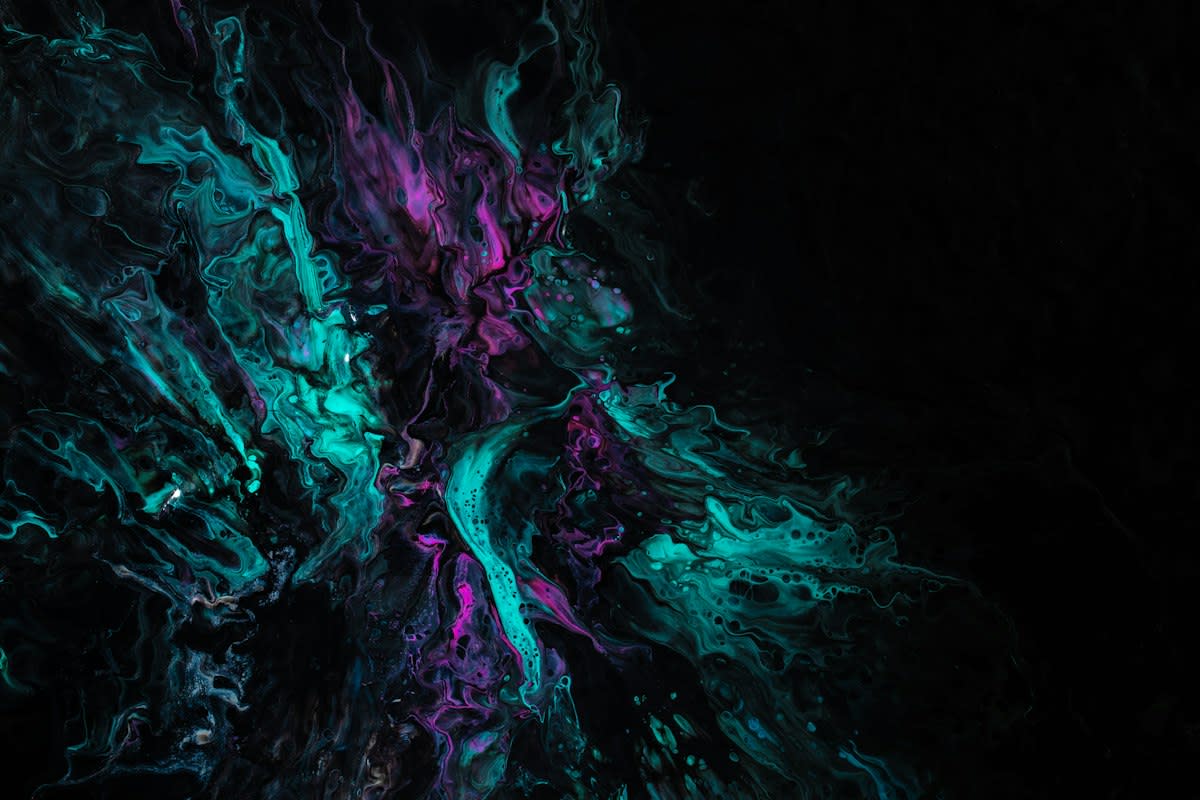
Costs are dropping. Hardware that cost fifty thousand dollars three years ago can now be replicated for under ten thousand using open-source frameworks (Source: OpenHardware Review, 2023). Access is widening. This democratization means that neural fusion is moving from the billionaire's penthouse to the urban loft. The barrier is gone. It is now a matter of taste.
Common Pitfalls
Avoid over-saturation. Pumping too much visual data into a small room creates a sensory overload that makes the inhabitant feel anxious. Less is more. Do not ignore the shadows. If the projection is too bright, it washes out the room's natural depth and makes the space feel like a hospital. Balance the light. Forget the prompt. Relying on a single, complex prompt for a month leads to visual fatigue. Rotate your seeds.
Fact-Check & Accuracy Note
Verification of neural fusion claims relies on the intersection of GPU benchmark data and art market sales. Current academic debate focuses on the EU AI Act 2024, specifically regarding the copyright of training sets used for residential generative art. Most statistics are derived from the Global Design Index and TechDesign Journal.
The future is fluid. We are moving toward a world where the home is no longer a container for objects, but a projection of the mind. The wall is gone. This is the only playbook that matters for the next decade of interior design. Adapt or fade.