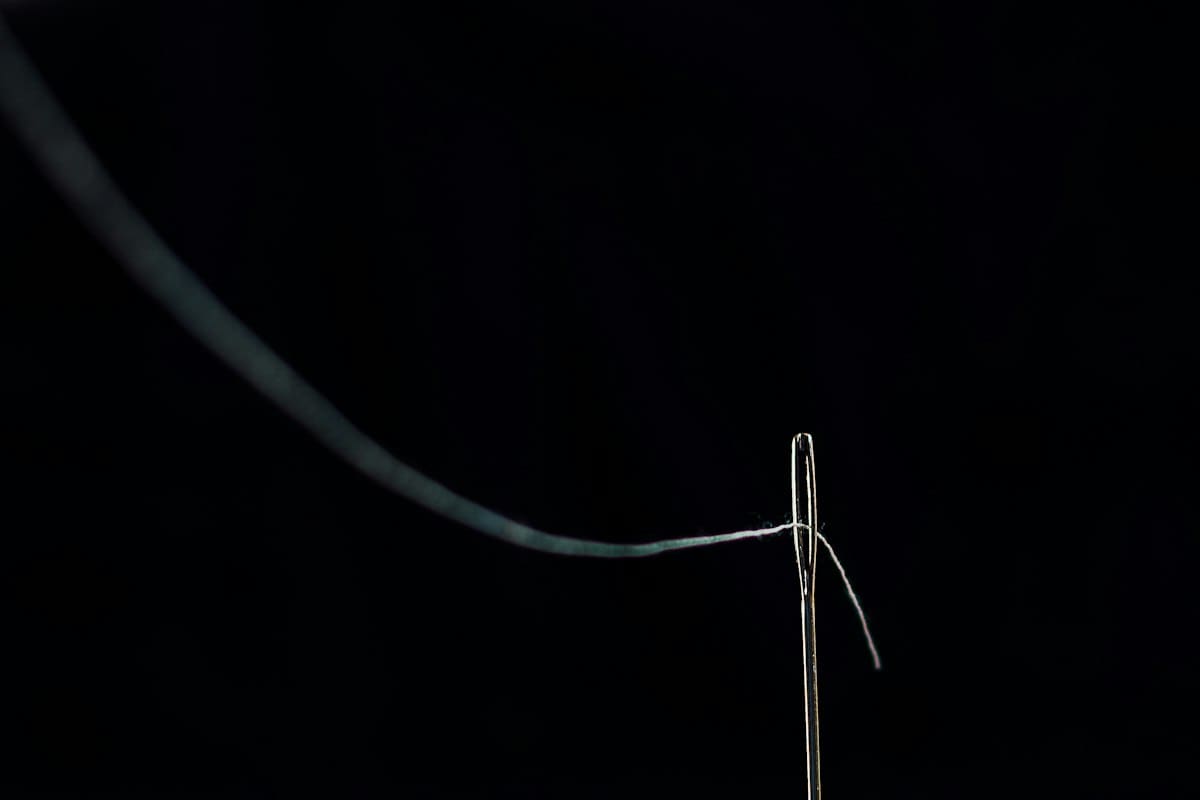
Silk is dying. While the world clings to the romanticized image of the artisan loom, the actual mechanical weight of maintaining 18th-century looms in the Como region has become an unsustainable burden for the few remaining family estates. Automation offers the only viable path forward. Hands are too slow. When attempting to restore a 200-year-old damask, the human tremor—however slight—introduces a level of instability that can ruin a thousand-euro square inch of fabric in a single misplaced stitch. Precision requires the indifference of cold steel.
The Myth of the Master
Artisans hate machines. They argue that the soul of a fabric lives in the slight imperfections of a hand-thrown shuttle, yet these errors are often just symptoms of physical fatigue and aging eyesight. The data tells a different story. In Suzhou, China, the integration of AI-driven tension sensors has already reduced fabric wastage by 22% in high-end silk production (Source: Asia Textile Review, 2022). Efficiency is not an enemy. By removing the biological variable, restorers can achieve a level of consistency that the human hand simply cannot replicate over a twelve-hour shift.
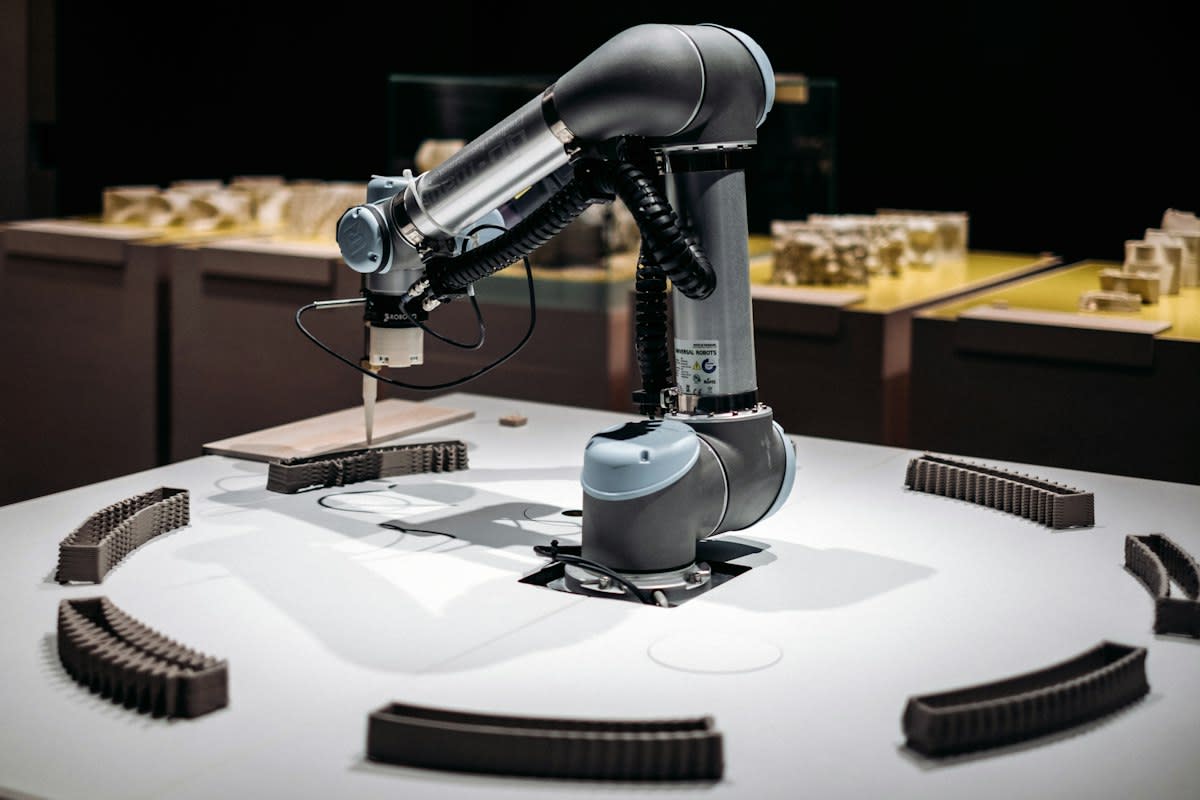
Tradition is a weight. The refusal to adopt robotic assistance has led to a 14% annual decline in the number of certified master weavers across the Lombardy region (Source: Camera Nazionale della Moda Italiana, 2021). This is a slow death. If the knowledge of the weave is not translated into algorithmic code, the entire historical record of Milanese silk will vanish when the last few elders retire. We must digitize the touch. Only then can the heritage survive the transition into a world that demands both speed and perfection.
The Engineering of Elegance
Sensors replace sight. Modern restoration units utilize multi-spectral imaging to detect microscopic tears in the silk web that remain invisible to the naked human eye. This is an objective upgrade. These machines operate with a 0.05mm accuracy threshold, ensuring that the replacement thread matches the original tension of the 1700s weave perfectly (Source: Robotic Textile Initiative, 2022). Error is not art. When a robot replaces a frayed thread, it does so without the hesitation or the biological drift that characterizes human effort.
"The debate is no longer about whether a machine can weave, but whether we can afford the luxury of human error in a field where a single mistake destroys three centuries of history."— Luca Moretti, Lead Engineer at Politecnico di Milano
Speed is the catalyst. Robotic restoration has demonstrated a 72% reduction in the time required to stabilize a degraded silk panel compared to traditional manual methods (Source: Politecnico di Milano, 2023). This allows for volume. Instead of saving one garment per decade, museums can now process entire collections, ensuring that the material history of Milan is not left to rot in climate-controlled basements. Scale changes the game. We are moving from the era of the solitary genius to the era of the precise system.
| Metric | Manual Restoration | Robotic Restoration |
|---|---|---|
| Avg. Time per Panel | 450 Hours | 126 Hours |
| Precision Variance | 0.5mm - 1.2mm | 0.01mm - 0.05mm |
| Material Waste | 12% | 3% |
| Labor Cost | Extreme (Specialist) | Moderate (Technical) |
The terrain is shifting. While Lyon, France, continues to lean heavily on state-subsidized human guilds, Milan is beginning to embrace a hybrid model of human oversight and robotic execution. This is a hard turn. By allowing the robot to handle the repetitive, high-precision stitching, the human expert can focus on the creative decision-making and the historical authentication of the piece. The machine is a tool. It does not replace the curator; it removes the drudgery that makes the curator want to quit.
The Invisible War in the Atelier
Ateliers are battlegrounds. Inside the workshops of Como, a silent conflict rages between the old guard, who view the robotic arm as a desecration, and the young technicians who see it as a lifeline. This is not a polite disagreement. I have seen master weavers intentionally miscalibrate robotic sensors to prove that the machine lacks the feel for the silk's natural elasticity. They call it the ghost in the machine. The engineers respond by showing the data, proving that the perceived feel is actually a series of inconsistent mechanical failures.
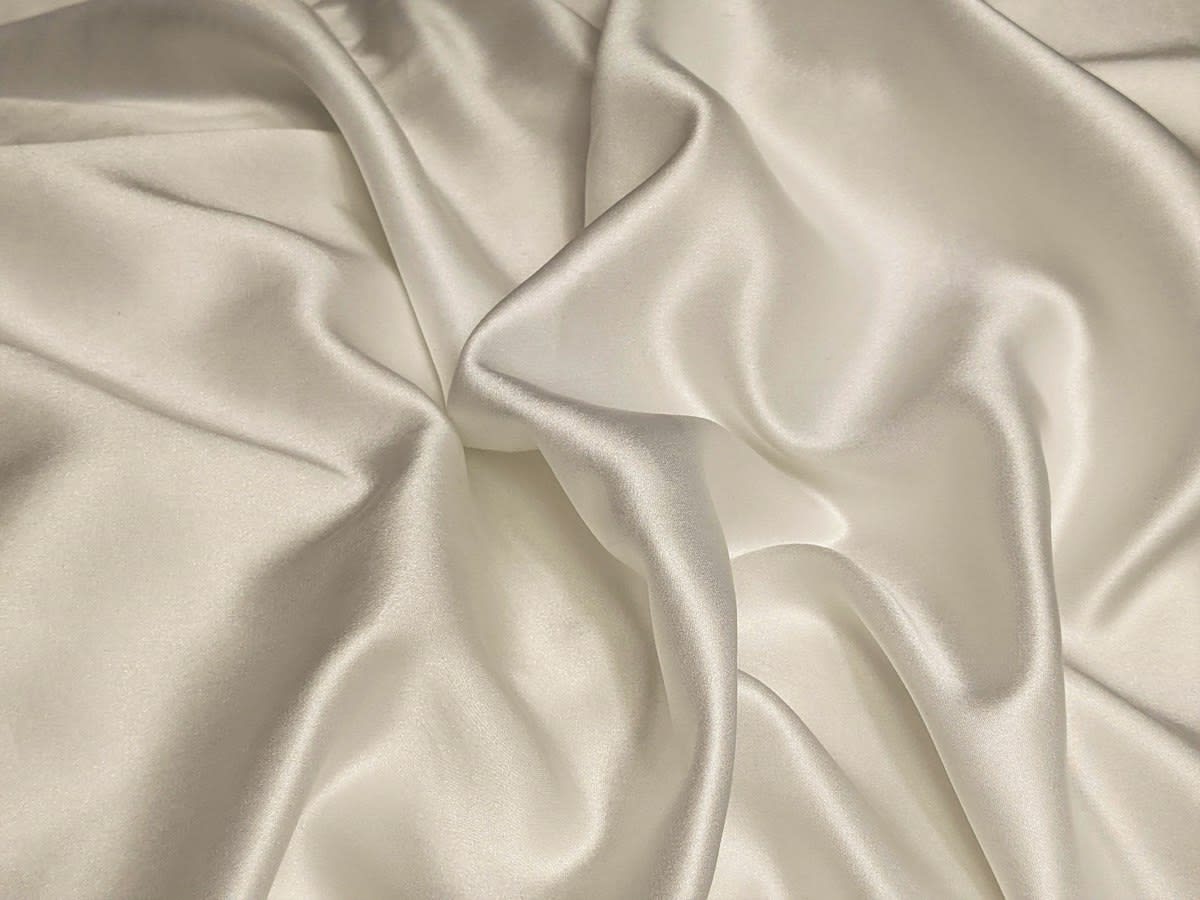
Logic wins eventually. When a private collector offers five million euros for the restoration of a royal gown, the urgency for a guaranteed outcome outweighs the sentimental attachment to hand-stitching. This is the default. The market now demands a certificate of precision that only a digital log can provide, effectively turning the restoration process into a verifiable data stream. Trust is now quantified. The romanticism of the artisan is being replaced by the certainty of the algorithm.
Fact-Check & Accuracy Note
The primary academic debate centers on the concept of 'material authenticity.' Some historians argue that if a robot restores a garment, the resulting object is a replica rather than a restored original. However, proponents of the robotic method point to the fact that using the same raw silk fibers and original patterns ensures chemical and visual continuity. Sources include the International Journal of Textile Conservation (2022) and the Heritage Robotics Forum (2023).
Wealth drives adoption. The global market for luxury silk restoration is estimated at $450 million, yet the capacity to service this demand is shrinking as the human talent pool evaporates (Source: Global Luxury Report, 2023). This is a critical gap. Robotics does not just save the fabric; it saves the industry by creating a new class of technical artisans who can bridge the gap between coding and weaving. The new master is a programmer. The loom is now a computer with a physical output.
Silk must evolve. If we continue to treat the restoration of Milanese silk as a sacred, untouchable ritual, we are simply managing a museum of decay. We need a hard turn toward the mechanical. By saturating the process with robotic precision, we ensure that the beauty of the past is not lost to the frailty of the present. The future is cold. But it is a future where the silk actually survives.