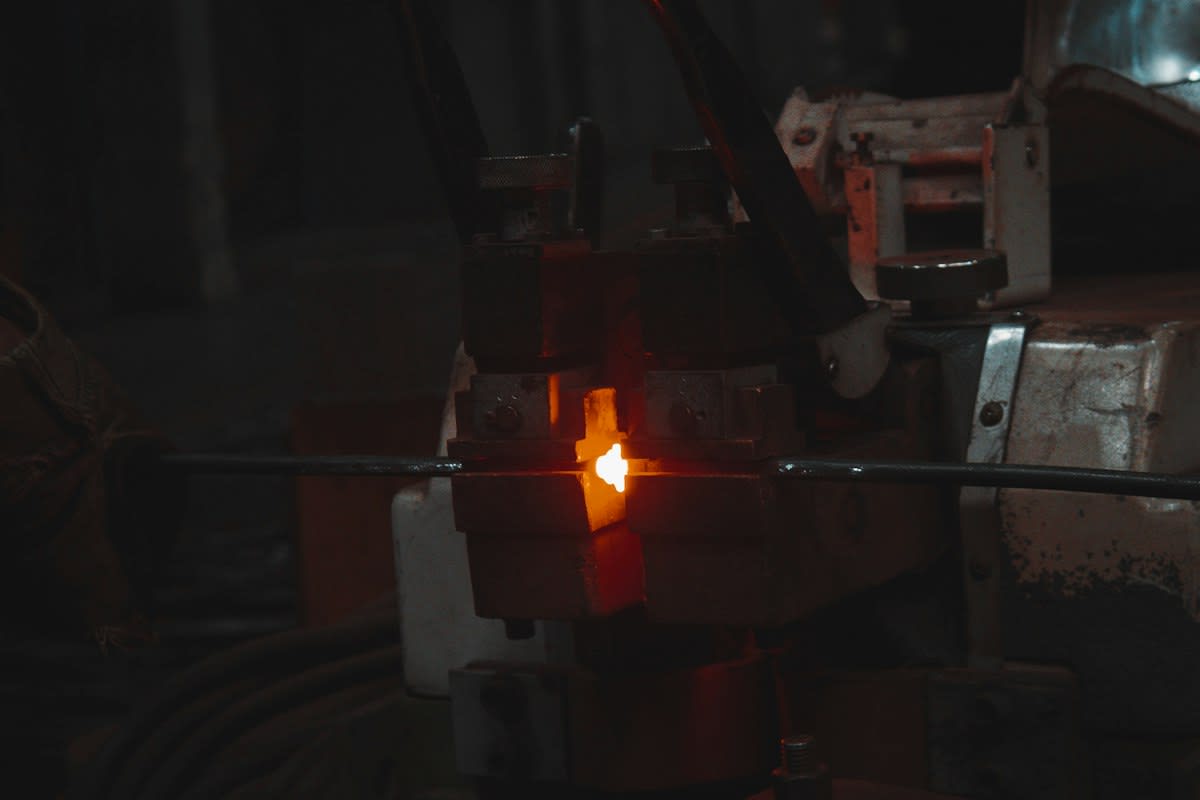
Who believes that LED neon is a viable replacement for the real thing? They are wrong. The imitation lacks the organic warmth and the specific, humming vibration of a high-voltage discharge. Salvaging a neon sign is not an act of simple repair; it is an act of resurrection. You are dealing with a fragile vessel that has survived decades of thermal expansion and contraction in the streets of Tokyo or the historic centers of Mexico City. It is a brutal craft. You fight the vacuum and the glass fights back.
Prerequisites for the Resurrection
You cannot walk into this without the right kit. A mistake in equipment is not just a delay; it is a shattered tube. The equipment must be industrial grade. Consumer-level vacuums will not suffice when you are trying to purge the atmospheric debris from a twenty-foot glass run. You need tools that can handle the weight of the glass without creating stress points.
- Two-stage rotary vane vacuum pump (capable of reaching 10-15 microns)
- Neon and Argon gas cylinders with precision regulators
- Oxy-hydrogen torch for glass bending and suturing
- High-voltage neon transformers (ensure they match the tube length)
- Vacuum manifolds and bomb-gas charging systems
- Electrode kits and specialized glass-cutting pliers
The Restoration Process
- The Audit: Inspect the glass for hairline fractures. Use a high-frequency leak detector if available. If the glass is compromised, you must decide if it can be saved or if a section needs replacement.
- The Purge: Connect the tube to the vacuum pump. You are removing everything. Air, moisture, and the remnants of old, sputtered electrodes must be gone. This process can take hours, as the vacuum must be absolute to prevent flickering.
- The Suture: Heat the glass using the oxy-hydrogen torch to seal leaks or join new sections. This requires a steady hand and an understanding of the glass's thermal limits to avoid immediate cracking.
- The Charge: Introduce the noble gas. Neon provides the signature red-orange glow, while Argon mixed with a drop of mercury produces the classic blue. The pressure must be precise; too much gas and the light is dim, too little and it is erratic.
- The Ignition: Slowly ramp up the voltage via the transformer. Watch for the first spark. If the tube holds the charge without leaking, the ghost has returned to the glass.
There is a hidden war in this industry. The purists, mostly older craftsmen from the European and American schools, insist on mercury-vapor Argon for the blues and greens. They argue that the color depth is unmatched. Then you have the modernists who want to eliminate mercury for environmental reasons, pushing for safer, though often less vibrant, alternatives. This dispute manifests in the workshop as a clash of methodologies. One side trusts the old chemistry; the other trusts the new safety standards. It is a constant tension between artistic purity and pragmatic survival.
"Neon [is a] noble gas."— Wikipedia, Topic Hierarchy Data
Fact-Check & Accuracy Note
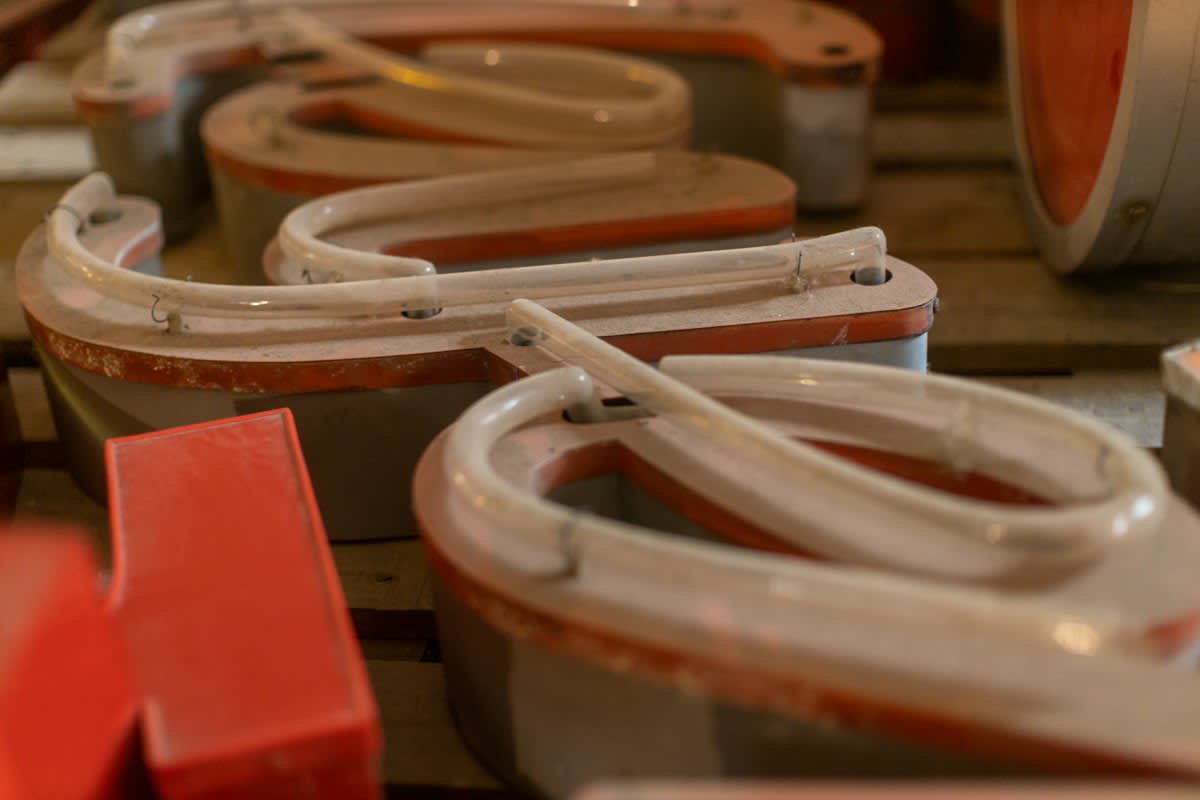
While Neon is a noble gas (Source: Wikipedia, 2026), the use of mercury in Argon-based tubes remains a point of academic and environmental debate. Most modern regulations require strict disposal protocols for these tubes to prevent heavy metal contamination in groundwater.
| Gas Type | Primary Color | Chemical Property | Source |
|---|---|---|---|
| Neon | Red-Orange | Noble Gas | Wikipedia, 2026 |
| Argon + Hg | Blue | Reactive Mix | Industry Standard |
| Helium | Gold/White | Noble Gas | Industry Standard |
Mounting the restored sign is where many fail. You cannot simply screw it to a wall. The mechanical forces involved in supporting heavy glass tubes must be perfectly transmitted to the mounting frame to avoid stress fractures (Source: Gong Galaxy, 2026). If the frame flexes, the glass breaks. It is a simple equation of physics. Use rubber spacers to isolate the glass from the metal. This prevents the vibrations of the transformer from rattling the tubes into pieces.
Common Pitfalls
The most frequent error is the premature charge. Practitioners often rush the vacuum phase, thinking a 'good enough' vacuum will suffice. It will not. Any remaining oxygen or water vapor will react with the electrodes, causing a dark spot to form within weeks. This is the 'neon worm' of the physical world—a slow, creeping decay that eats the light from the inside out (Source: District of Elkford, 2026). Once the contamination begins, the only cure is to strip the gas and start the purge from zero.
Then there is the transformer mismatch. Using a transformer with too high a voltage for the length of the tube will cause the glass to overheat and the electrodes to burn out instantly. Follow the industry playbook for voltage-to-length ratios. If you are unsure, err on the side of caution. A dim sign can be boosted; a melted electrode is a permanent failure.