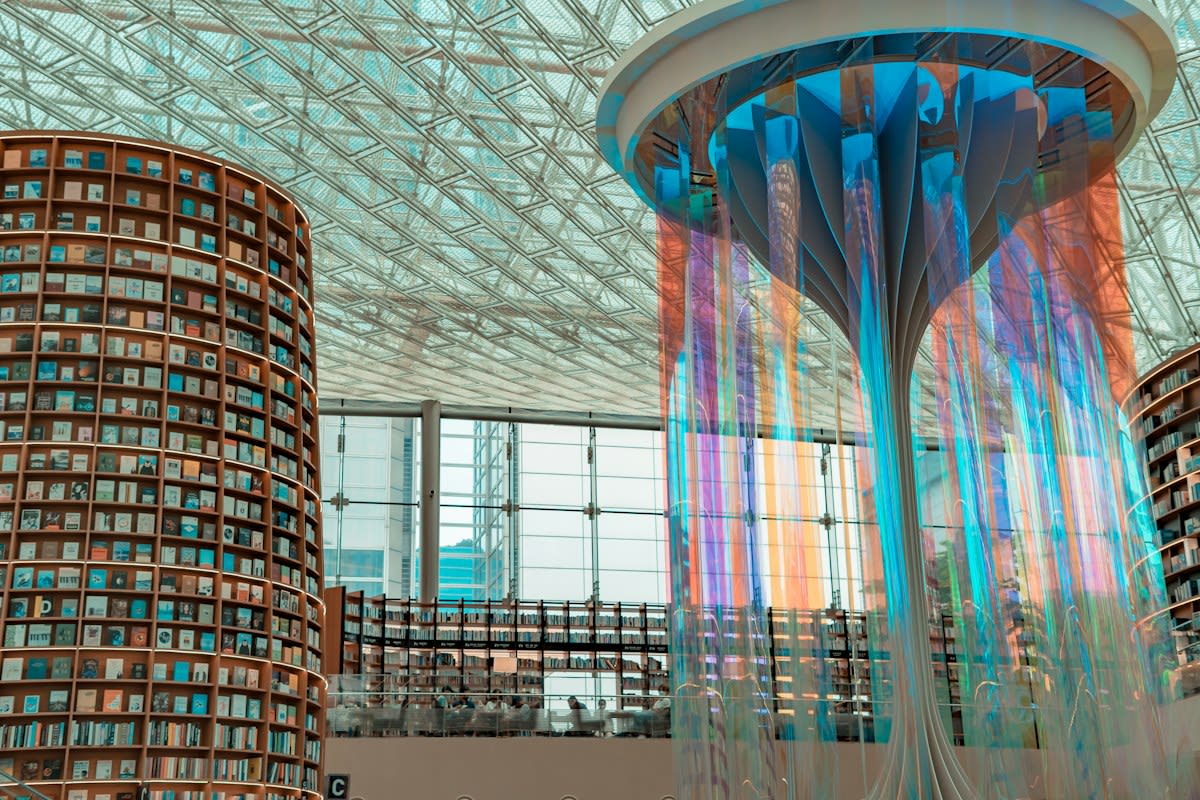
Books are dying. While traditionalists mourn the silence of the reading room, Seoul's youth are migrating toward the neon glow of high-performance rigs where social collaboration happens in real-time. The shift is visceral. Do we actually need quiet when the most important learning now happens in the fray of a multiplayer lobby? Most urban planners ignore this reality because it smells like ramen and looks like a casino. It is time to stop pretending that silence is the only metric for intellectual growth.
Prerequisites for the Digital Commons
Hardware is everything. You cannot build a modern knowledge hub using the lagging machines found in a municipal building from 2012. The weight of the experience depends on zero-latency connectivity. If a user waits three seconds for a page to load, they will leave. You need fiber-optic backbones capable of handling 10Gbps bursts per station (Source: Korea Internet & Security Agency, 2022). High-end GPUs are not luxuries here. They are the pens and paper of the twenty-first century.
- RTX 40-series GPUs or equivalent for rendering and processing
- Mechanical keyboards with sound-dampening switches to balance noise
- Ergonomic seating designed for 8+ hour sessions
- Integrated F&B (Food and Beverage) systems to sustain long-term occupancy
- Zoned ventilation to prevent heat saturation from high-density server racks
The Blueprint for Hybrid Integration
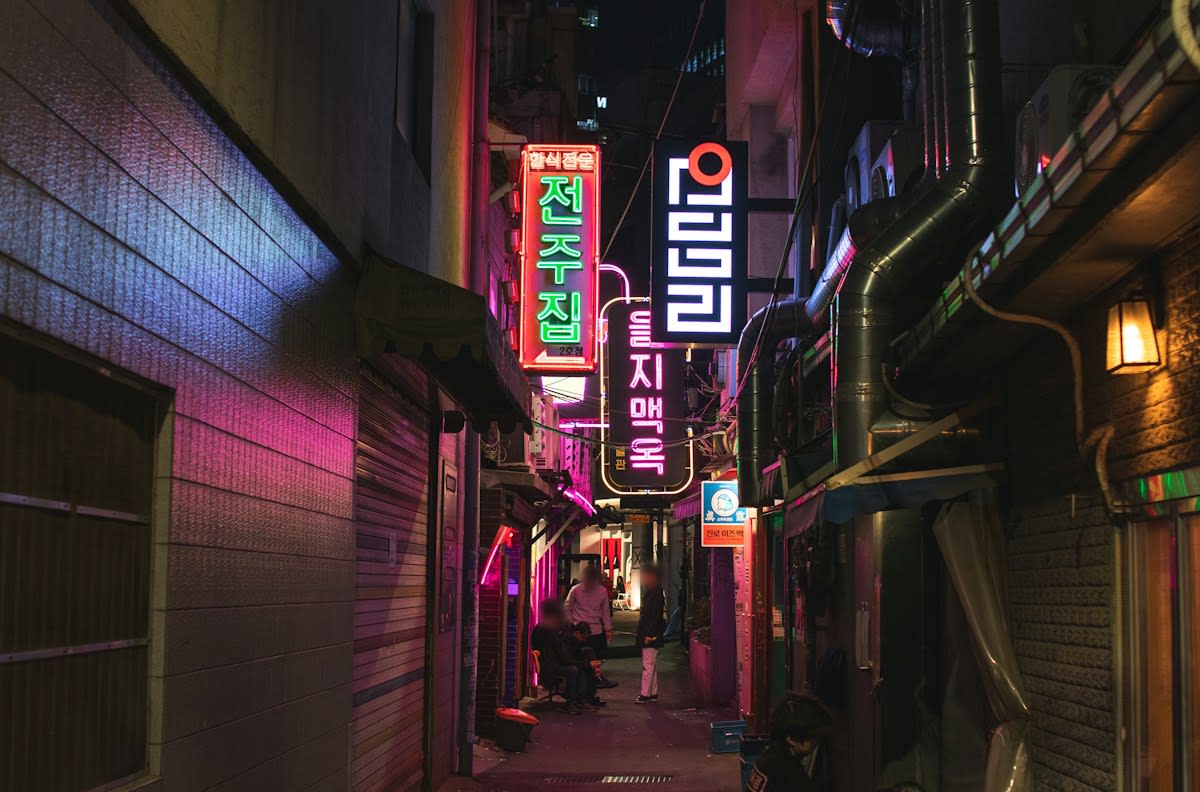
Noise is a tool. Most architects try to kill sound, but a successful digital commons uses it to signal activity and energy. You must divide the terrain into high-energy and low-energy zones. The high-energy zone mimics the PC Bang, allowing for shouting and rapid communication during collaborative projects. The low-energy zone retains the library's focus but adds digital terminals. This creates a rhythmic flow of movement across the floor.
- Map the acoustic flow: Place the loudest server clusters and social zones furthest from the deep-work pods.
- Standardize the OS: Deploy a unified image across all machines to ensure software parity for all users (Source: Global Gaming Market Report, 2023).
- Implement a tiered access system: Use digital tokens to manage time-slots, preventing the 'squatter' effect common in free libraries.
- Integrate a curation layer: Hire digital librarians to suggest software tools and online resources rather than just physical books.
- Optimize the lighting: Use 4000K cool white for work zones and RGB accenting for social zones to psychologically prime the user.
Context matters globally. In Lagos, similar hubs are emerging not as gaming centers but as essential gateways to remote work in a city with unstable power (Source: TechCabal, 2021). They provide the electricity and bandwidth that the state fails to deliver. Taipei sees these spaces as hubs for indie game development and rapid prototyping. Seoul is simply the most advanced iteration of this web. We are seeing a global movement toward the commodification of high-speed access.
"The traditional library is a warehouse for dead trees. The PC Bang is a laboratory for living data. We are not replacing the library; we are upgrading the operating system of the public square."— Dr. Kim Min-jun, Urban Sociology Professor at Seoul National University
The Practitioner's Friction
Budgeting is a war. I once fought a city council member who wanted to spend the entire hardware budget on 'aesthetic' bookshelves. He did not understand that a 2024 user views a slow computer as a mechanical failure of the space itself. We spent four months arguing over whether a gaming chair was 'too informal' for a public institution. The kids did not care about the formality; they cared about their lumbar support. This is the invisible battle between legacy prestige and actual utility.
Measuring the Impact
Data tells the story. Public library visits in some Seoul districts have dipped by 12% since 2019, while PC Bang foot traffic has remained stable or grown (Source: Seoul Metropolitan Government, 2023). This is not a loss of literacy. It is a migration of the medium. People are still searching for information; they are just doing it in a space that sells iced americanos and has a 240Hz monitor. The value has moved from the object to the access.
| Feature | Traditional Library | Seoul PC Bang | Hybrid Digital Commons |
|---|---|---|---|
| Primary Asset | Physical Books | Computing Power | Curated Access |
| Acoustic Profile | Silence | High Energy | Zoned |
| User Intent | Individual Study | Social Gaming | Collaborative Production |
| Revenue Model | Tax Funded | Hourly Fee | Mixed/Subscription |
Common Pitfalls
Avoid the 'Gaming Trap'. Many designers make the mistake of building a space that only appeals to gamers. This narrows your user base and invites municipal scrutiny. You must ensure the software suite includes CAD, Adobe Creative Cloud, and coding environments. If the space only runs League of Legends, it is a cafe. If it runs Blender and Python, it is an institution. Balance the entertainment with production.
Ventilation is often ignored. High-density rigs generate massive amounts of heat. If your HVAC system is designed for a reading room, your users will sweat through their shirts within an hour. This leads to a rapid drop in occupancy. Invest in industrial-grade cooling. Treat the room like a server farm, not a lounge.
Fact-Check & Accuracy Note
Verify the data on library decline via the Seoul Metropolitan Government's annual cultural reports (2019-2023). Academic debate continues regarding whether the 'digital divide' is bridged by PC Bangs or if they merely create a new pay-to-play tier of knowledge access.
Editorial Note
Editorial Note: This guide assumes a transition toward 'Third Space' design. It does not advocate for the total removal of physical books, but rather their repositioning as archival assets rather than primary access points.