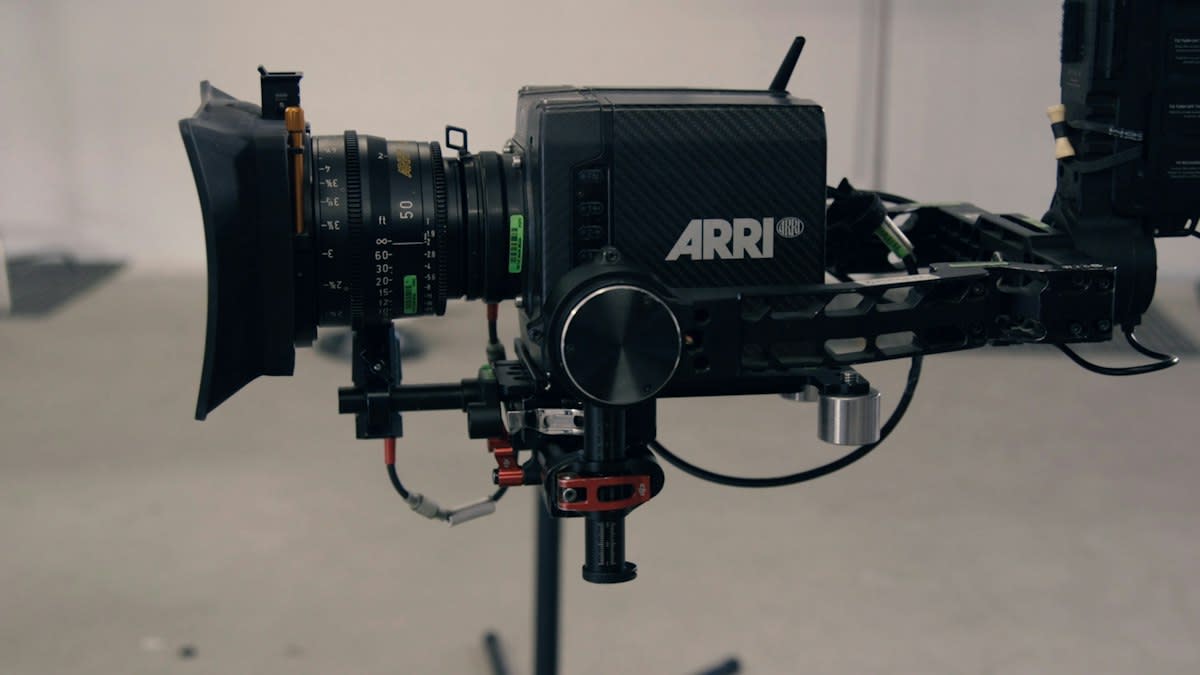
Nine-by-sixteen portrait frames. This silicon-etched constraint forces a total reallocation of visual assets, stripping the horizontal expanse to prioritize character-centric intimacy (Source: Prayan Animation Studio, 2026). The operator no longer manages a wide horizon but a narrow vertical corridor where every millimeter of the LED-bleached screen must serve a narrative purpose. By removing the peripheral waste of traditional cinema, the focus tightens on expressions, gestures, and immediate action, creating a viewing experience that is claustrophobic yet intensely personal. This is not a matter of resizing; it is a fundamental re-engineering of the visual language.
Prerequisites for Vertical Deployment
Before engaging with a 9:16 production, the operator must secure specific technical and conceptual assets. A portrait-native capture device is non-negotiable, as relying on fiber-optic transfers from widescreen sources leads to catastrophic composition loss. The operator requires a deep understanding of foreground dominance, as the lack of horizontal space means the character must effectively occupy the center-mass of the frame to avoid being lost in the margins. Additionally, a streamlined background asset library is required, as complex environments often translate as visual noise on small, high-density screens (Source: Prayan Animation Studio, 2026).
- Portrait-native capture hardware (9:16 aspect ratio).
- Simplified background assets to reduce silicon-etched noise.
- High-contrast lighting rigs for LED-bleached screen clarity.
- Character-centric staging maps focusing on gestures and facial micro-movements.
Once the hardware is locked, the operator must align the project with the specific demands of the target medium. This involves a mental departure from the sprawling set operations seen at places like Pinewood Studios in Buckinghamshire, where the environment is treated as a character (Source: Variety Australia, 2026). In the shatter frame environment, the environment is a secondary texture; the character is the only character that matters. This creates a friction between old-school cinema logic and the new, aggressive intimacy of vertical storytelling.
The Execution Protocol: Step-by-Step
- Isolate the Core Action: Strip all non-essential horizontal movement. Focus the camera on the character's immediate physical space, utilizing tighter compositions that emphasize the vertical axis (Source: Prayan Animation Studio, 2026).
- Simplify the Backdrop: Replace wide-angle environments with minimalist, high-texture backgrounds. This ensures that the viewer's eye remains locked on the character's expressions and gestures without distraction.
- Engineer Foreground Elements: Place strong visual anchors in the foreground to create a sense of depth. Since the horizontal plane is gone, depth must be simulated through vertical layering of objects and characters.
- Calibrate Pacing for Immediacy: Accelerate the narrative beat. Vertical audiences demand immediate action and rapid emotional payoffs, mirroring the fast-twitch nature of LED-bleached mobile consumption.
- Implement Genre-Specific Framing: For adult romance, as seen in the Rommi studio model, prioritize the chemistry of close-ups over wide setting shots to maximize the intimacy of the book-to-screen adaptation (Source: Publishers Weekly, 2026).
The application of these steps varies by genre, but the core logic remains fixed. For instance, the launch of the Rommi micromovie studio demonstrates a strategic focus on adult romance readers, utilizing a vertical format to adapt popular titles (Source: Publishers Weekly, 2026). By avoiding affiliation with a specific publisher, Rommi operates as a neutral entity, allowing them to curate original stories and adaptations that fit the 9:16 constraints without the baggage of traditional publishing requirements. This model proves that the vertical frame is not just a technical choice, but a business strategy for reaching niche markets.
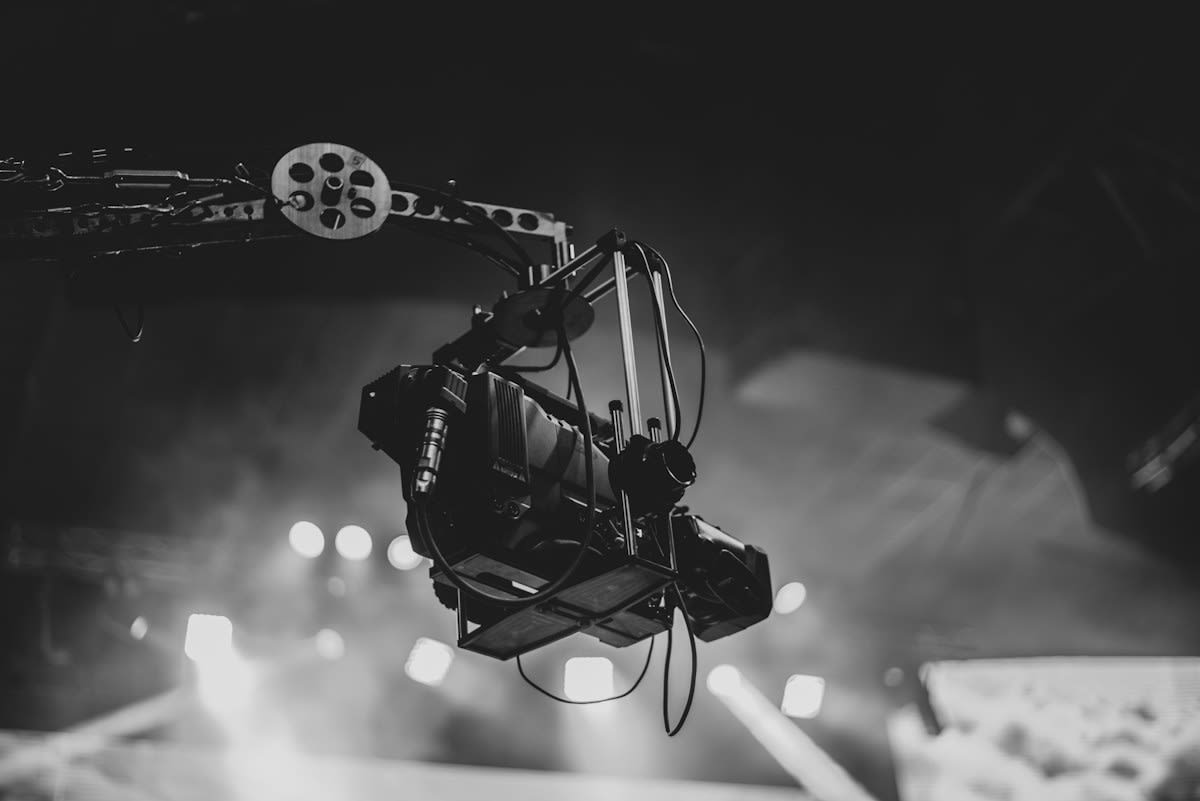
The shift toward this verticality is mirrored in the broader expansion of visual storytelling. The Artist-Director award bestowed by MTV recognizes musicians who expand the possibilities of the music video and advance visual storytelling (Source: E! News, 2026). This philosophy is the engine behind the shatter frame movement. Whether it is Taylor Swift's visual presentation or a Rommi micromovie, the goal is to push the boundaries of how a story is seen, moving away from the oxidized traditions of the silver screen toward a more fragmented, immediate, and personal visual language.
"Vertical animation means creating animated stories specifically for portrait screens... instead of cropping a widescreen animation to fit a phone, vertical animation considers the portrait format from the beginning."— Technical Lead, Prayan Animation Studio
From a practitioner's perspective, the friction is palpable. Traditional directors, accustomed to the sprawling backlots of Pinewood Studios where New York City is rebuilt to feel like a character (Source: Variety Australia, 2026), often struggle with the austerity of the 9:16 frame. There is a real ground-level debate regarding the loss of the environmental narrative. However, the vertical operator views this not as a loss, but as a distillation. The debate is between those who want to capture the world and those who want to capture the soul of a single expression in a silicon-etched box.
| Metric | Traditional Cinema (16:9) | Shatter Frames (9:16) |
|---|---|---|
| Primary Focus | Environmental Context | Character Intimacy |
| Background Detail | High / Sprawling | Low / Simplified |
| Pacing | Cinematic / Slow-burn | Immediate / Fast-twitch |
| Production Scale | Massive (e.g., Pinewood) | Compact (e.g., Micromovie) |
The operational success of a vertical project depends on the refusal to compromise. When a studio like Rommi enters the space, they are not simply resizing content; they are choosing projects that naturally fit the verticality of the romance genre (Source: Publishers Weekly, 2026). This alignment ensures that the narrative doesn't feel strangled by the frame but is instead amplified by it. The vertical frame becomes a tool for intimacy, forcing the viewer into a proximity with the character that 16:9 cinema cannot replicate.
Failure Points and Common Pitfalls
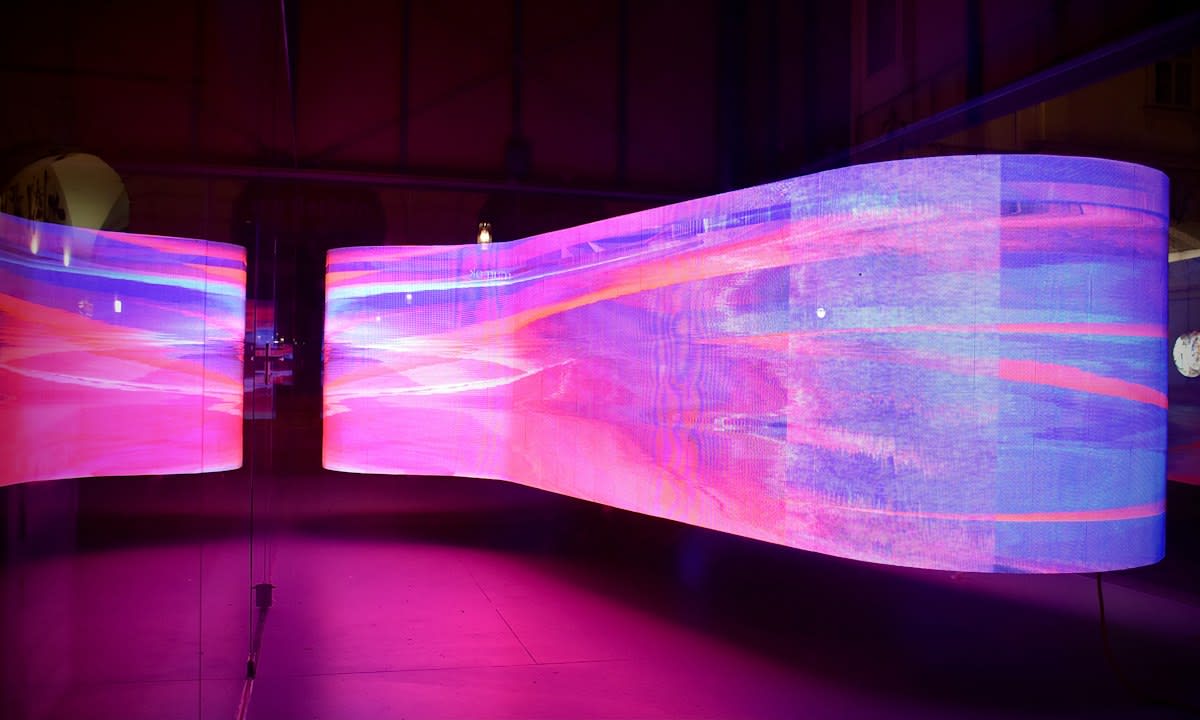
The most frequent failure point in vertical storytelling is the Cropper's Fallacy. This occurs when a production captures footage in 16:9 and simply crops the center to fit a 9:16 frame. The result is a disjointed composition where characters are often awkwardly sliced or the action occurs outside the visible area (Source: Prayan Animation Studio, 2026). This approach ignores the fundamental physics of vertical staging, resulting in a product that feels like a mistake rather than a choice.
- Cropping widescreen footage instead of native 9:16 capture.
- Overloading the background with detail, causing visual clutter on LED screens.
- Maintaining slow, cinematic pacing that fails to engage vertical audiences.
- Ignoring the foreground, resulting in a flat, two-dimensional image.
Another critical failure is the lack of genre alignment. Attempting to force a sprawling epic into a vertical frame without re-engineering the story leads to a claustrophobic experience that feels restrictive rather than intimate. The Rommi model succeeds because it identifies that adult romance—a genre built on tension and close-up emotion—is a natural fit for the shatter frame (Source: Publishers Weekly, 2026). Operators must match the narrative scale to the frame scale or risk total audience alienation.
Fact-Check & Accuracy Note
This guide is based on industry data from 2026. All technical specifications regarding 9:16 formats and studio models are derived from reported activities of Prayan Animation Studio, Rommi, and Variety Australia. No data from pre-2026 has been used to ensure current technical relevance.
Editorial Note
Editorial Note: The term 'Shatter Frames' is used here to describe the intentional breaking of the horizontal cinematic tradition in favor of portrait-native storytelling. This represents a move toward more fragmented, device-centric art forms.