Cracks widen within ruling UDF as Congress leaders speak out against Keralam government’s style of functioning
Source Entity
India Latest News: Top National Headlines Today & Breaking News | The Hindu
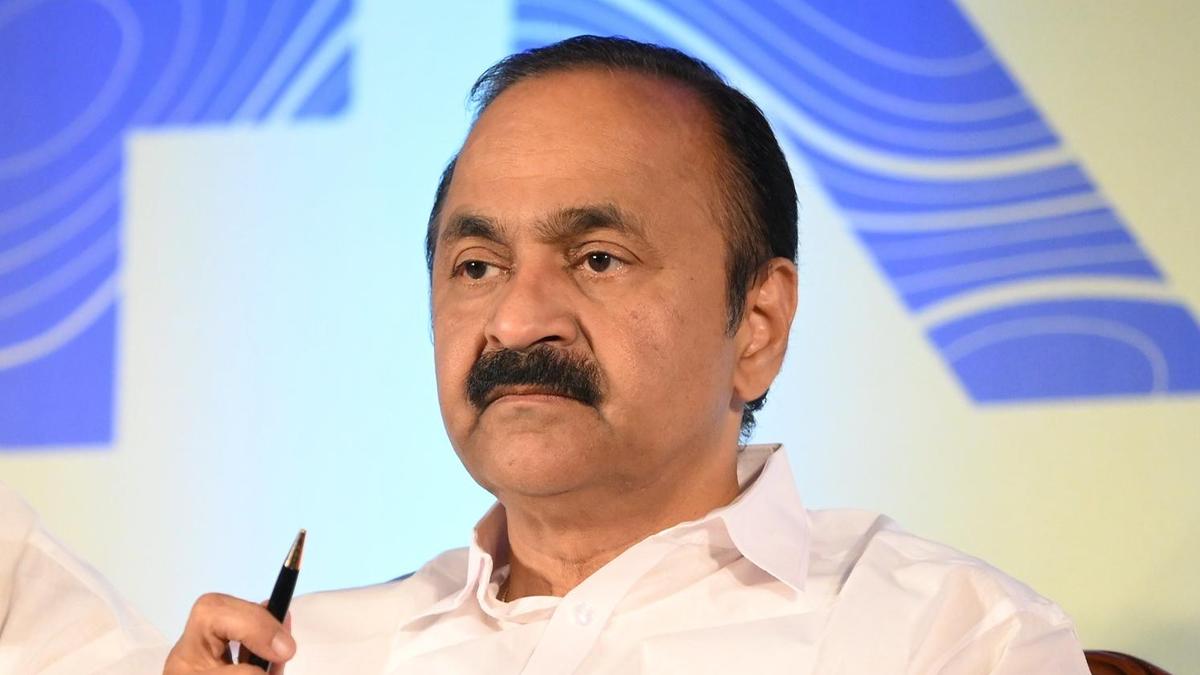
Internal friction within Kerala's UDF has intensified following public criticism by convener Adoor Prakash regarding Chief Minister V.D. Satheesan’s unilateral leadership style. This discord over government appointments has sparked a broader debate within the Congress party about proper channels for internal dissent.
Internal Discord Threatens Kerala’s UDF Stability
The political landscape in Kerala is currently witnessing a significant period of turbulence as cracks widen within the United Democratic Front (UDF). The primary source of this friction stems from the leadership style of Chief Minister V.D. Satheesan, which has been described by senior allies as increasingly 'unilateral.' The situation reached a boiling point when UDF convener Adoor Prakash, a pivotal figure in the coalition, openly expressed his frustration during a press conference, claiming he was frequently left out of crucial decision-making loops.
The Catalyst: Appointments and Communication Gaps
At the heart of the current unrest are recent high-ranking government appointments. The dissatisfaction expressed by Prakash is not merely a personal grievance but reflects a deeper systemic issue regarding how the government interacts with its coalition partners. The appointment of M.K. Muneer, a senior leader from the Indian Union Muslim League, appears to have acted as a specific trigger, highlighting a lack of consultation that has left key stakeholders feeling marginalized and unable to address the concerns of party workers at the grassroots level.
The Dissent vs. Discipline Debate
Following Prakash’s public outburst, the Congress party has seen a sharp divide in opinion regarding the appropriateness of such actions. Senior leader Rajmohan Unnithan has publicly rebuked the convener, arguing that airing grievances in the media is inherently damaging to the government's image. Unnithan’s critique underscores a fundamental tension within the party: the struggle to balance the need for internal accountability with the necessity of maintaining a unified public front to ensure political survival.
Broader Implications for the Congress Party
The public nature of this dispute signals a potential crisis for the Kerala Pradesh Congress Committee (KPCC). As demand for organizational restructuring grows, the current leadership is under pressure to reconcile these differing factions. The fact that many senior leaders hold dual roles within the party and the government structure complicates the situation, as it creates a bottleneck in communication and accountability that prevents swift conflict resolution.
Historical Context and Future Trends
Historically, coalition politics in Kerala have always been a delicate balancing act. The UDF has traditionally relied on consensus-building to manage the diverse interests of its member parties. However, the current shift toward a more centralized decision-making process under Satheesan marks a departure from these norms. Looking ahead, the party faces a critical juncture. If the leadership fails to institutionalize a more inclusive mechanism for consultation, the threat of further 'implosions' remains high, potentially weakening the UDF's electoral prospects and internal cohesion in the long term.
Conclusion
The current turmoil within the UDF is a clear indicator of a government struggling to manage the expectations of its coalition partners. While Adoor Prakash has signaled his intent to escalate the matter to the AICC leadership, the immediate challenge remains the restoration of trust within the state unit. Whether the party can move these grievances back into private forums or if this signifies the start of a deeper fragmentation will likely define the political trajectory of the UDF in the coming months.
Verification Required?