Why Samajwadi Party fielded Reliance executive Dhanraj Nathwani in Rajya Sabha polls
Source Entity
Maulshree Seth
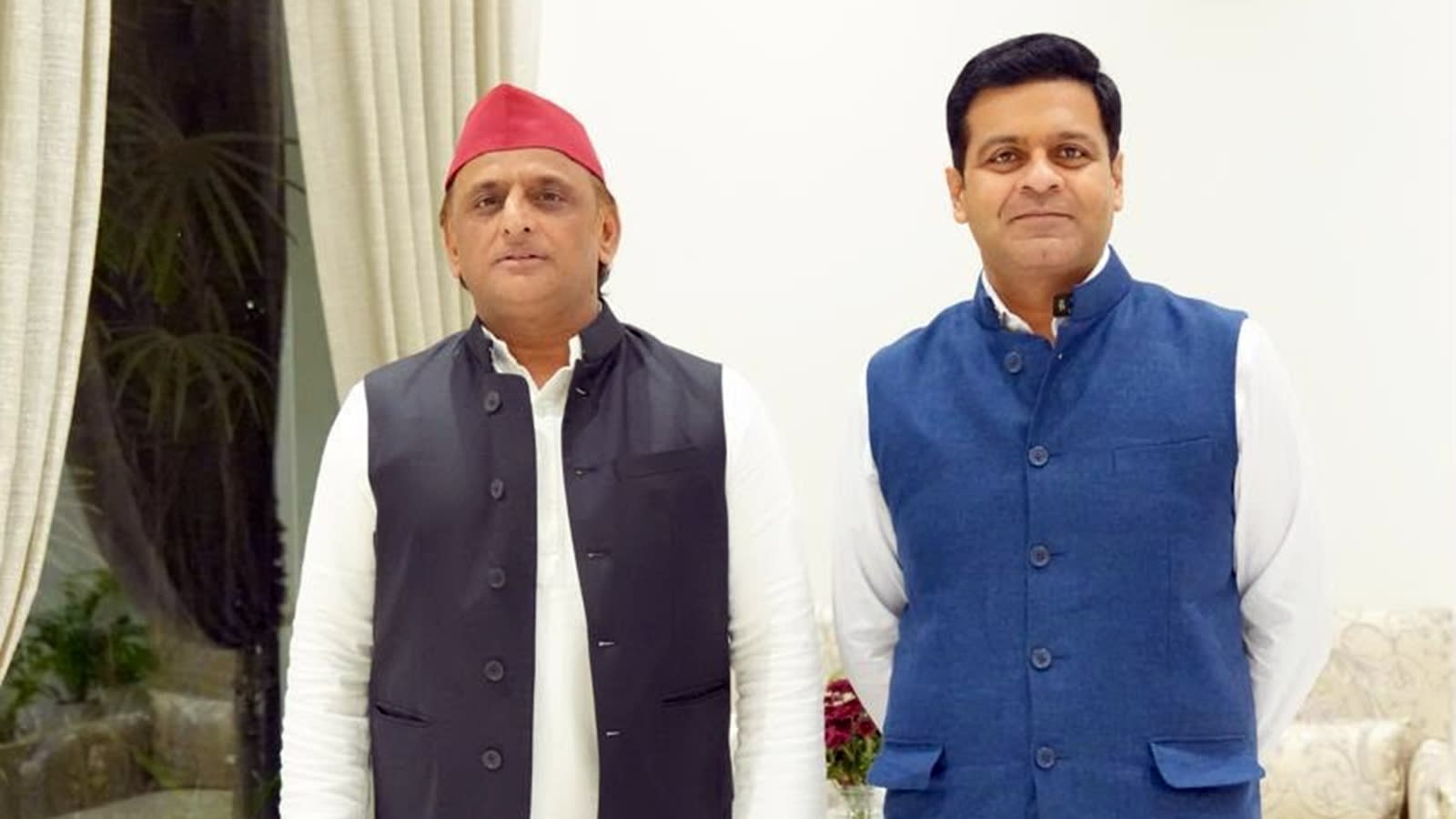
Uttar Pradesh's Rajya Sabha elections have become a high-stakes battle as the BJP and Samajwadi Party vie for the 10th seat. The SP's strategic nomination of corporate executive Dhanraj Nathwani and Akhilesh Yadav's call for unity signal a focused attempt to disrupt the BJP's dominance through potential cross-voting.
The High-Stakes Battle for Uttar Pradesh's 10th Rajya Sabha Seat
Political tensions in Uttar Pradesh have surged as the state approaches the October 16 Rajya Sabha elections. With 10 seats up for grabs, the arithmetic currently favors the Bharatiya Janata Party (BJP) to secure seven seats and the Samajwadi Party (SP) to clinch two. However, the contest for the final, 10th seat has transformed into a critical theater of political maneuvering, as both parties prepare for a showdown that could influence the momentum leading into the upcoming Uttar Pradesh Assembly elections.
Strategic Challenges and the Threat of Cross-Voting
The uncertainty surrounding the 10th seat is exacerbated by the looming threat of cross-voting. A senior BJP leader has openly acknowledged that the party is closely monitoring its legislators to prevent defections. This caution is well-founded; if the BJP fails to secure the 10th seat against the SP’s third candidate, it risks projecting a narrative of internal instability, which could have significant psychological repercussions before the next state assembly cycle.
The Corporate Connection: Analyzing the Nathwani Nomination
The Samajwadi Party’s decision to field Dhanraj Nathwani—a long-time executive at Reliance Industries and son of RIL Director Parimal Nathwani—has sparked intense debate. While the SP has centered its 2027 campaign on the 'PDA' (Pichhda, Dalit aur Alpasankhyak) plank, the nomination of a corporate figure like Nathwani appears to be a pragmatic, if contradictory, tactical move. By leveraging this candidacy, the SP aims to broaden its appeal and potentially consolidate support beyond its traditional voter base, despite the perceived misalignment with its social justice narrative.
Akhilesh Yadav’s Call for Unity
Amid these developments, SP chief Akhilesh Yadav has framed the Rajya Sabha polls as a "time for coming together." His rhetoric, suggesting that it is time to move past previous mistakes and unite on principles, serves as a clear invitation for political realignment. By emphasizing unity, Yadav is attempting to create an environment conducive to cross-voting from other factions, hoping to secure enough support to tilt the 10th seat in his favor.
Broader Political Implications and Future Trends
These elections serve as a precursor to the broader political landscape in Uttar Pradesh. The intensity surrounding a single Rajya Sabha seat underscores how both the BJP and the SP are utilizing these polls to test their organizational strength and coalition-building capabilities. As the parties navigate this contest, the outcome will likely serve as a barometer for the efficacy of their respective strategies: the BJP’s focus on maintaining legislative discipline versus the SP’s attempt to orchestrate a strategic upset through unconventional candidate choices and calls for unity.
Conclusion
The upcoming Rajya Sabha elections in Uttar Pradesh represent more than just the filling of a parliamentary vacancy; they are a tactical battlefield. Whether the SP can successfully leverage its third candidate to force an upset, or if the BJP can maintain its numerical advantage, will dictate the immediate political narrative in the state. As the October 16 deadline approaches, the focus remains firmly on the integrity of party lines and the potential for shifts in political allegiances.
Multiple Citing Sources