Trump tells South Korea to sign on to Alaska LNG deal or 'I'll just charge them more'
Source Entity
US Top News and Analysis
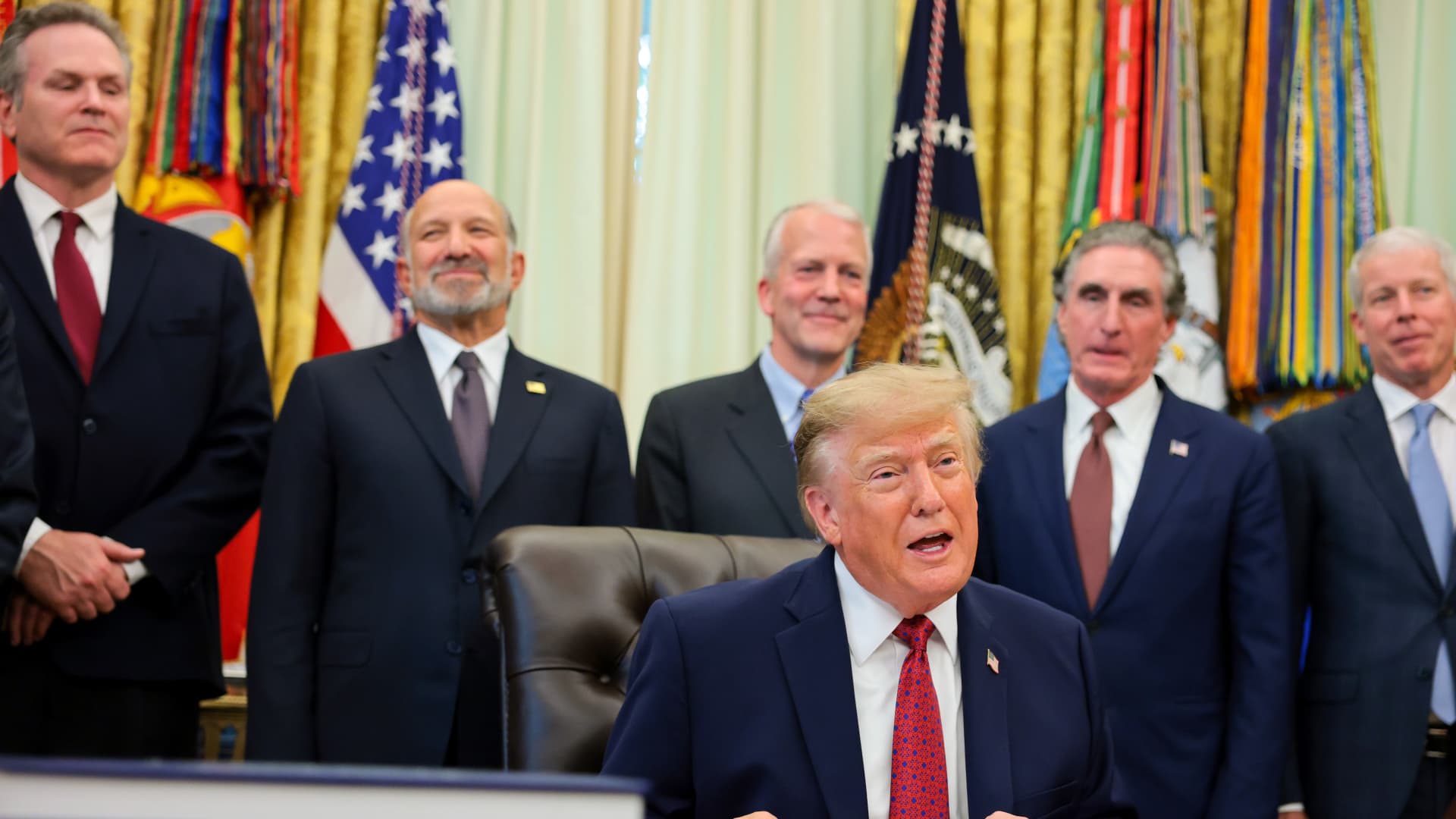
President Trump is pressuring South Korea to finalize a $54 billion investment in the Alaska LNG project. He has warned that Seoul faces significantly higher costs if they fail to commit to the deal promptly.
The Pressure Campaign: Alaska LNG and U.S.-South Korea Relations
President Donald Trump has escalated his rhetoric regarding a massive $54 billion energy infrastructure investment, specifically targeting South Korea’s participation in the Alaska Liquefied Natural Gas (LNG) project. During a high-profile Oval Office event on September 30, 2026, alongside Alaska Governor Mike Dunleavy and key Cabinet members, the President announced the deal. However, the subsequent public pressure suggests that the agreement is far from finalized, with Seoul remaining cautious about the financial commitment.
Strategic Energy Diplomacy
The Alaska LNG project is a cornerstone of the current administration’s energy policy, aimed at boosting domestic production while fostering international trade partnerships. By involving South Korea, the U.S. seeks to secure a stable export market for Alaskan gas while simultaneously reducing reliance on traditional energy competitors. The administration’s aggressive push underscores a transactional approach to foreign policy, where economic partnerships are increasingly linked to geopolitical leverage.
The Cost of Hesitation
President Trump’s recent comments, in which he warned that South Korea could be charged "double" if they do not formalize their commitment, signal a significant shift in diplomatic tone. By framing the project as an ultimatum rather than a voluntary commercial venture, the President is attempting to force Seoul’s hand. This rhetoric reflects a broader strategy of using financial penalties as a tool to accelerate infrastructure deals that the White House views as vital to its economic agenda.
Navigating Diplomatic Discrepancies
The discrepancy between the White House’s announcement and the reality on the ground in Seoul highlights the complexities of international project financing. South Korean officials have expressed caution, likely weighing the long-term economic viability of the Alaska LNG project against the potential for political fallout if they appear to be capitulating to U.S. demands. This friction point demonstrates how domestic energy goals in the U.S. can create strain within established alliances when expectations for investment are not fully aligned.
Broader Economic Implications
If the Alaska LNG deal proceeds as the administration intends, it would represent one of the largest foreign investments in U.S. energy infrastructure in history. However, the high-pressure tactics employed by the President risk alienating partners who require regulatory and financial certainty. The ultimate success of this project will depend on whether the administration can reconcile the necessity of private-sector caution with its own ambitious timeline for energy dominance.
Future Outlook
Moving forward, the situation remains fluid. The administration's focus on the $50 billion-plus price tag suggests that the Alaska LNG project is a top priority for the remainder of the term. Whether South Korea chooses to sign on to avoid the threatened price hikes or negotiates for more favorable terms remains to be seen. This standoff serves as a critical case study in how energy policy is currently being utilized as a central component of national security and international statecraft.