"Chalo Delhi": CJP Announces Protest On October 10 Against Poll Body Chief
Source Entity
NDTV News Search Records Found 1000
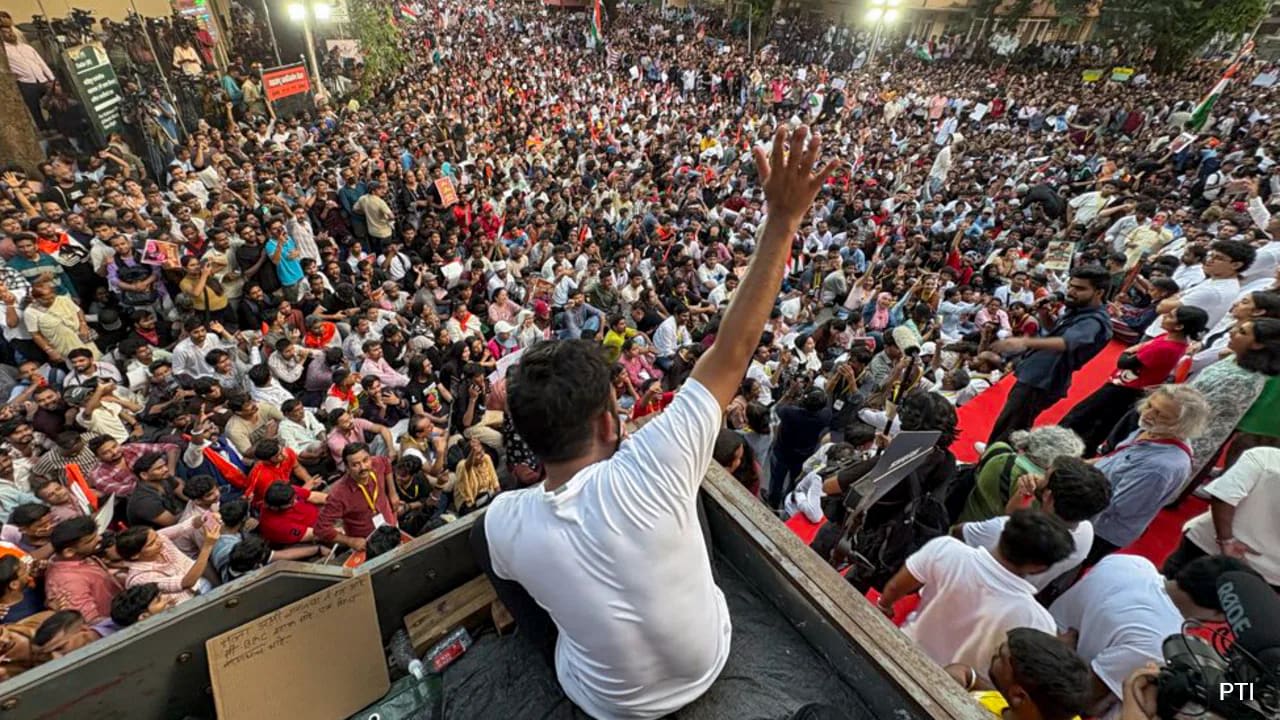
The Cockroach Janta Party, led by Abhijeet Dipke, has launched a nationwide protest demanding the resignation of CEC Gyanesh Kumar over alleged electoral roll irregularities. The movement, starting October 2, seeks transparency in election administration and civil society involvement in future appointments.
The Cockroach Janta Party Launches Nationwide Agitation
The political landscape has seen a new development as the Cockroach Janta Party (CJP), headed by founder Abhijeet Dipke, announced a series of nationwide protests starting October 2. The movement, initiated at the Mumbai Press Club, centers on intense dissatisfaction with the current administration of the Election Commission of India (ECI), specifically targeting Chief Election Commissioner (CEC) Gyanesh Kumar. The agitation is scheduled to move from Mumbai’s Shivaji Park to major metropolitan hubs including Goa, Bengaluru, and Kolkata, before culminating in a final sit-in at Jantar Mantar in New Delhi.
Origins of the Conflict: The SIR Investigation
At the core of this political unrest is an investigation regarding internal rifts within the Election Commission concerning the Special Intensive Revision (SIR) of voter rolls. The CJP alleges that these revisions have led to significant irregularities, with Dipke claiming that millions of voters have been impacted by mass deletions. These allegations have served as the primary catalyst for the party's "Jail Bharo Andolan," a form of civil disobedience meant to force a governmental response to their grievances.
Core Demands and Institutional Reform
The CJP has articulated three principal demands that frame their protest strategy. First, they are calling for the immediate resignation of CEC Gyanesh Kumar, whom they accuse of bias. Second, they have demanded that the electoral roll prepared in 2025 be frozen to prevent further alleged disenfranchisement. Finally, they are advocating for a fundamental change in the institutional framework of the ECI, specifically requesting a transparent, independent process for appointing the next Election Commissioner that incorporates the participation of civil society members.
Broadening the Political Scope
Beyond the immediate demands, the rhetoric employed by the CJP leadership reflects a broader frustration with the current executive-ECI relationship. Abhijeet Dipke has publicly accused the CEC of acting as an instrument of the ruling government, specifically naming Prime Minister Narendra Modi and Home Minister Amit Shah in his critiques. By threatening to escalate their protests to seek the resignation of the Prime Minister should their demands regarding the CEC remain unmet, the CJP is attempting to position this protest as a wider critique of democratic accountability in India.
Future Implications and Nationwide Reach
The decision to expand the protest from a single demonstration in Mumbai to a multi-city campaign suggests that the CJP is attempting to capitalize on regional discontent regarding voter registration. By targeting cities like Bengaluru and Kolkata, the movement aims to gain national visibility. The conclusion of this protest at Jantar Mantar signifies a strategic move to bring the conversation to the heart of the national capital, where the influence of civil society and political pressure is most concentrated. As the agitation progresses through October, the success of this movement will likely depend on its ability to mobilize the public and maintain pressure on the Election Commission to address the integrity of the 2025 electoral rolls.
Multiple Citing Sources
Verification Required?