In Nandigram, BJP has clear edge. But will arrest of Congress candidate backfire?
Source Entity
Atri Mitra
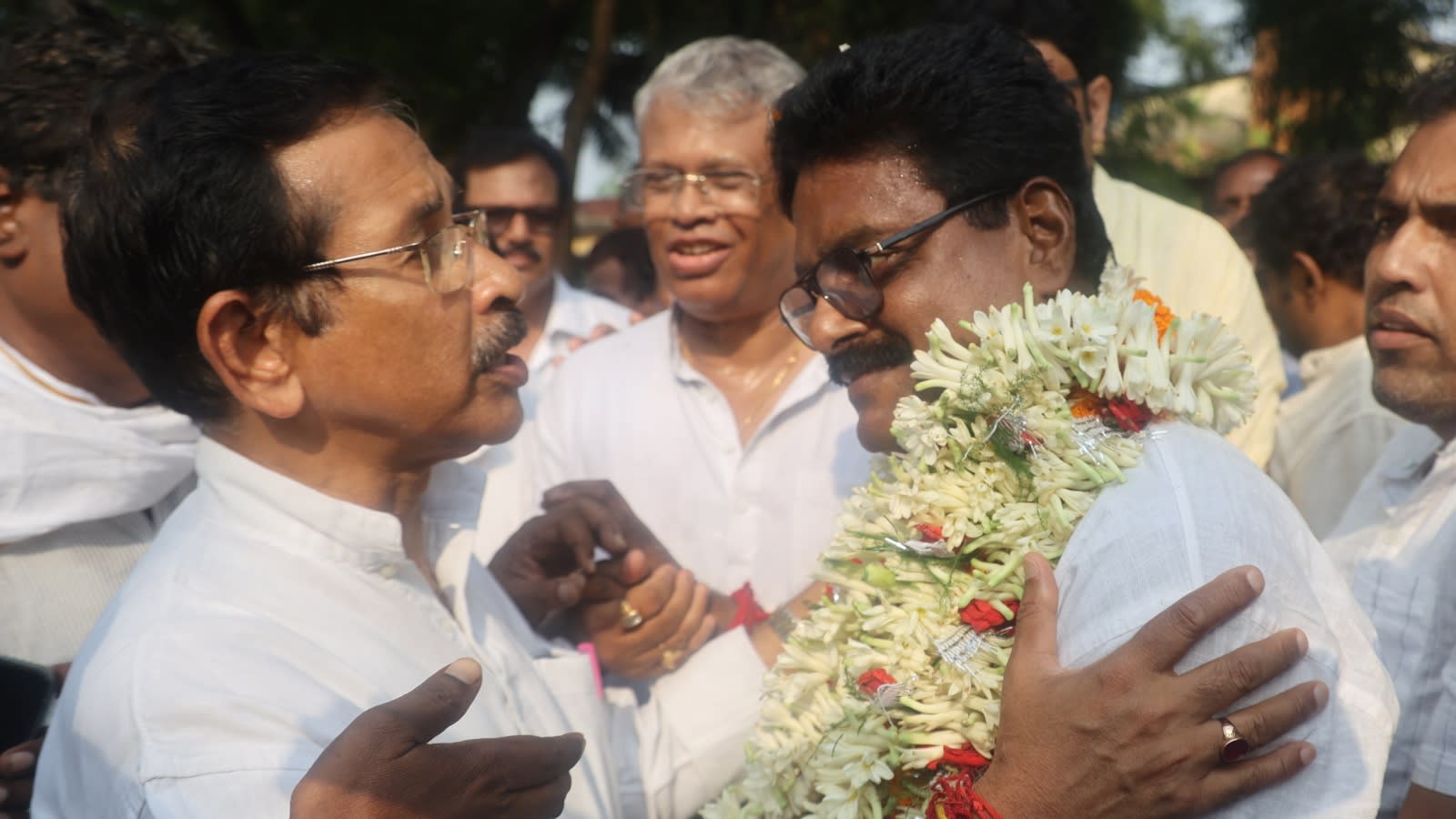
The Nandigram by-election has intensified following the interim bail of Congress candidate Milan Pradhan. The contest remains a high-stakes battle between the BJP and Trinamool Congress, further complicated by local political maneuvers.
The Nandigram Flashpoint: A By-Election Defined by High Stakes
The Nandigram Assembly seat by-election has emerged as a significant litmus test for political supremacy in West Bengal. The recent release of Congress candidate Milan Pradhan on interim bail, following his arrest related to a 2007 legal case, has acted as a catalyst for renewed political activity. This development has transformed a standard administrative bypoll into a focal point of intense scrutiny, reflecting the deep-seated political rivalries that have long characterized the region.
The Strategic Significance of Nandigram
Nandigram is far more than a local constituency; it has historically served as the epicentre of the confrontation between the Trinamool Congress (TMC) and the Bharatiya Janata Party (BJP). The by-election was necessitated by Suvendu Adhikari’s decision to vacate his long-held seat. For Adhikari, now a prominent BJP figure, this contest is a matter of profound personal and political prestige, as he attempts to consolidate his influence in an area that remains a symbolic battlefield for West Bengal's political future.
Personalization of the Political Conflict
The intensity of the race has been further escalated by the specific candidate choices made by the BJP. By fielding the mother of his murdered close aide, Adhikari has injected a deeply personal narrative into the campaign. This move is designed to resonate with the local electorate on an emotional level, effectively tethering the broader political struggle to a specific, localized tragedy that continues to influence the region's socio-political discourse.
Allegations of High-Handedness and Tactical Shifts
The arrest of Milan Pradhan on legacy charges from 2007 has sparked significant controversy. Opposition voices are characterizing this police action as evidence of BJP high-handedness, suggesting an attempt to influence the electoral landscape through state machinery. This perception of overreach has created a volatile atmosphere, potentially shifting voter sentiment as the electorate weighs the legitimacy of such legal maneuvers against the backdrop of a competitive by-election.
The Evolving Electoral Map
The complexity of the race is further compounded by recent tactical withdrawals. The decision by the Trinamool Congress candidate to drop out of the race at the last minute has added another layer of uncertainty to the contest. These shifting alliances and sudden withdrawals underscore the fluidity of the Nandigram political landscape, where every administrative or legal development—such as Pradhan’s bail—can significantly alter the trajectory of the campaign.
Conclusion: A Future Trend in West Bengal Politics
As the by-election progresses, the events in Nandigram serve as a microcosm of the larger struggle for power in West Bengal. The intersection of historical legal cases, personal tragedies, and strategic candidate maneuvering suggests that the region will remain a volatile center of political activity. Future trends in the state will likely be dictated by how effectively these parties can balance their aggressive campaign tactics with the need to maintain credibility in the eyes of an increasingly polarized electorate.