Delhi's 'No PUC, No Fuel' Day 1: Cameras On, But No Officials At Pumps
Source Entity
NDTV News Search Records Found 1000
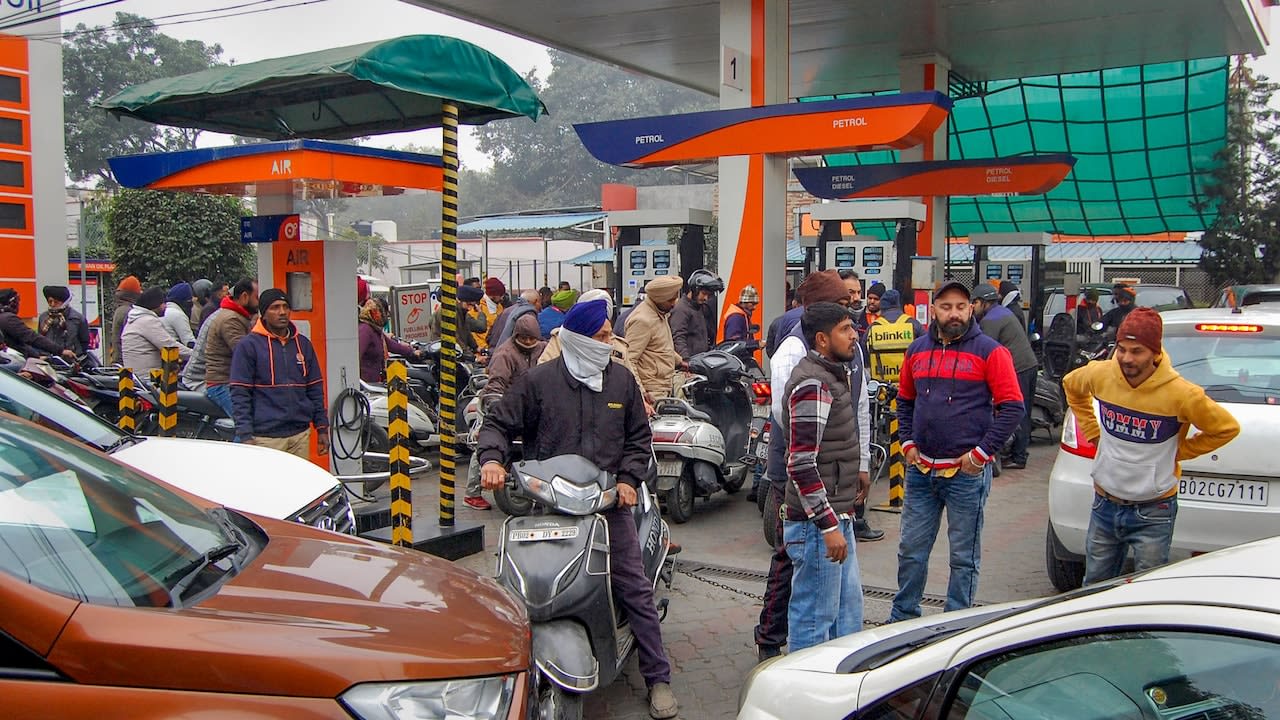
Delhi has implemented a 'No PUC, No Fuel' policy to curb vehicular pollution. While surveillance cameras are active at petrol pumps, enforcement remains a challenge as officials were absent on the first day.
Delhi's Push for Cleaner Air: The 'No PUC, No Fuel' Initiative
Delhi, often grappling with severe air quality challenges, has launched a significant administrative push known as the 'No PUC, No Fuel' campaign. This initiative mandates that vehicle owners must possess a valid Pollution Under Control (PUC) certificate to purchase fuel at petrol pumps across the city. By linking essential services to environmental compliance, the government aims to ensure that every vehicle on the road adheres to emission standards, thereby reducing the city's overall carbon footprint.
The Mechanics of Enforcement and Surveillance
To ensure the efficacy of this policy, authorities have deployed surveillance cameras at various petrol pumps throughout the capital. These cameras serve as the primary monitoring mechanism to track compliance levels in real-time. By leveraging technology for oversight, the administration hopes to create a deterrent effect, encouraging motorists to prioritize their environmental obligations before hitting the road. This transition toward digital monitoring marks a shift from manual enforcement to automated, data-driven governance in the transport sector.
Challenges in Day-One Implementation
Despite the clear policy directives, the first day of the campaign highlighted significant operational hurdles. Reports indicated a notable absence of government officials at the petrol pumps to oversee the enforcement process. While the cameras were active, the lack of human presence to handle discrepancies or enforce immediate compliance suggests a reliance on a long-term behavioral shift rather than instantaneous, strict physical policing. The success of such a policy heavily depends on the consistent presence of oversight to maintain the seriousness of the mandate.
Bridging the Gap: On-Site Compliance
Recognizing that many drivers might be caught off-guard by the strict enforcement, the authorities facilitated the availability of PUC centers directly at the petrol pumps. This proactive measure ensures that motorists who lack valid documentation can rectify the issue immediately without being denied fuel. By integrating the compliance process into the fueling experience, the government is reducing the friction associated with regulatory requirements, potentially increasing the rate of adoption among the public.
Broader Implications for Urban Air Quality
This initiative is a critical component of Delhi's broader strategy to combat seasonal smog and rising pollution levels. Vehicular emissions remain one of the primary contributors to the city's poor air quality index. By ensuring that poorly maintained vehicles are either repaired or removed from circulation, the government is targeting the source of the problem. If successful, this model could be replicated in other high-pollution urban centers across India as a standard for environmental accountability.
Future Outlook and Policy Sustainability
Looking ahead, the long-term success of the 'No PUC, No Fuel' rule will depend on the scalability of these on-site testing facilities and the consistency of the monitoring process. As the city moves toward more stringent emission norms, the integration of digital databases with fuel management systems may become the new standard. The current phase serves as a vital test bed for the administration to refine its enforcement tactics and gauge public response to aggressive environmental policies.
Verification Required?