Bumpy Ride: Private bus sector in Keralam staring at a crisis
Source Entity
India Latest News: Top National Headlines Today & Breaking News | The Hindu
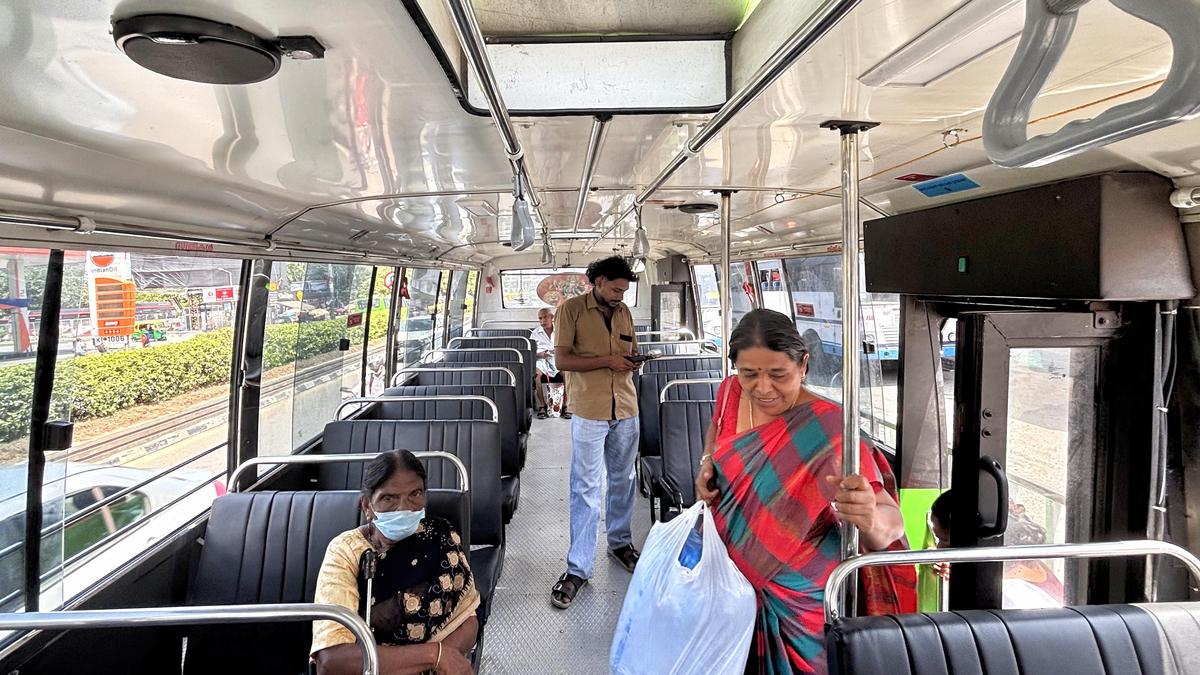
Kerala's private bus sector is facing a severe financial crisis exacerbated by the government's free travel scheme for women. Intensifying competition and shrinking profit margins are fueling operational conflicts and instability within the industry.
The Crisis Facing Kerala's Private Bus Industry
The Impact of Policy on Private Transit
The private bus sector in Kerala is currently navigating a precarious financial landscape, characterized by a sharp decline in revenue and mounting operational costs. While the introduction of the Priyadarshini free travel scheme has been widely celebrated for its positive impact on women's mobility and accessibility, it has simultaneously placed a significant fiscal burden on private operators. By incentivizing passengers to favor public or subsidized transit, the scheme has eroded the traditional revenue base that private bus owners have relied upon for decades.
Operational Friction and Market Saturation
The incident observed at the Attingal private bus stand serves as a microcosm of the broader industry dysfunction. As passenger volumes dwindle, the competition for the remaining ridership has become increasingly aggressive. The heated confrontations between bus crews over route schedules and 'poaching' of passengers are not merely isolated disputes but indicators of a sector under immense stress. When profit margins are thin, even a delay of seconds or the loss of a few commuters becomes a point of existential contention for operators struggling to cover fuel and maintenance costs.
Economic Pressures and Rising Costs
Beyond the competitive pressures, private bus owners are grappling with high operational overheads, including fluctuating fuel prices and rising vehicle maintenance expenses. The shift in passenger preference toward alternative transport modes—further accelerated by government-sponsored free travel initiatives—has created a 'body blow' to the economic viability of these private services. Many operators now find themselves unable to sustain consistent service levels, leading to a cycle of reduced frequency and further loss of commuter confidence.
Broader Implications for Public Mobility
The decline of the private bus sector in Kerala poses a significant challenge to the state's public transportation network. Private buses have historically played a crucial role in providing last-mile connectivity and reaching remote areas that state-run services might not cover with the same frequency. If the sector continues to shrink, the resulting 'transportation gap' could negatively impact the daily commutes of thousands of citizens, particularly in semi-urban and rural regions where alternatives are limited.
Future Outlook and Policy Challenges
Looking ahead, the long-term sustainability of the private bus industry will likely depend on potential government interventions, such as tax relief, fuel subsidies, or a re-evaluation of route permit structures. Without a comprehensive policy framework that balances social welfare goals like the Priyadarshini scheme with the economic realities of private transit providers, the industry risks further fragmentation and potential service collapses. The future of Kerala's commuting landscape depends on finding a middle ground that keeps private transit viable while maintaining social equity.
Verification Required?