As ‘Mohammad’ Deepak gets bail, two versions of events
Source Entity
Vidheesha Kuntamalla
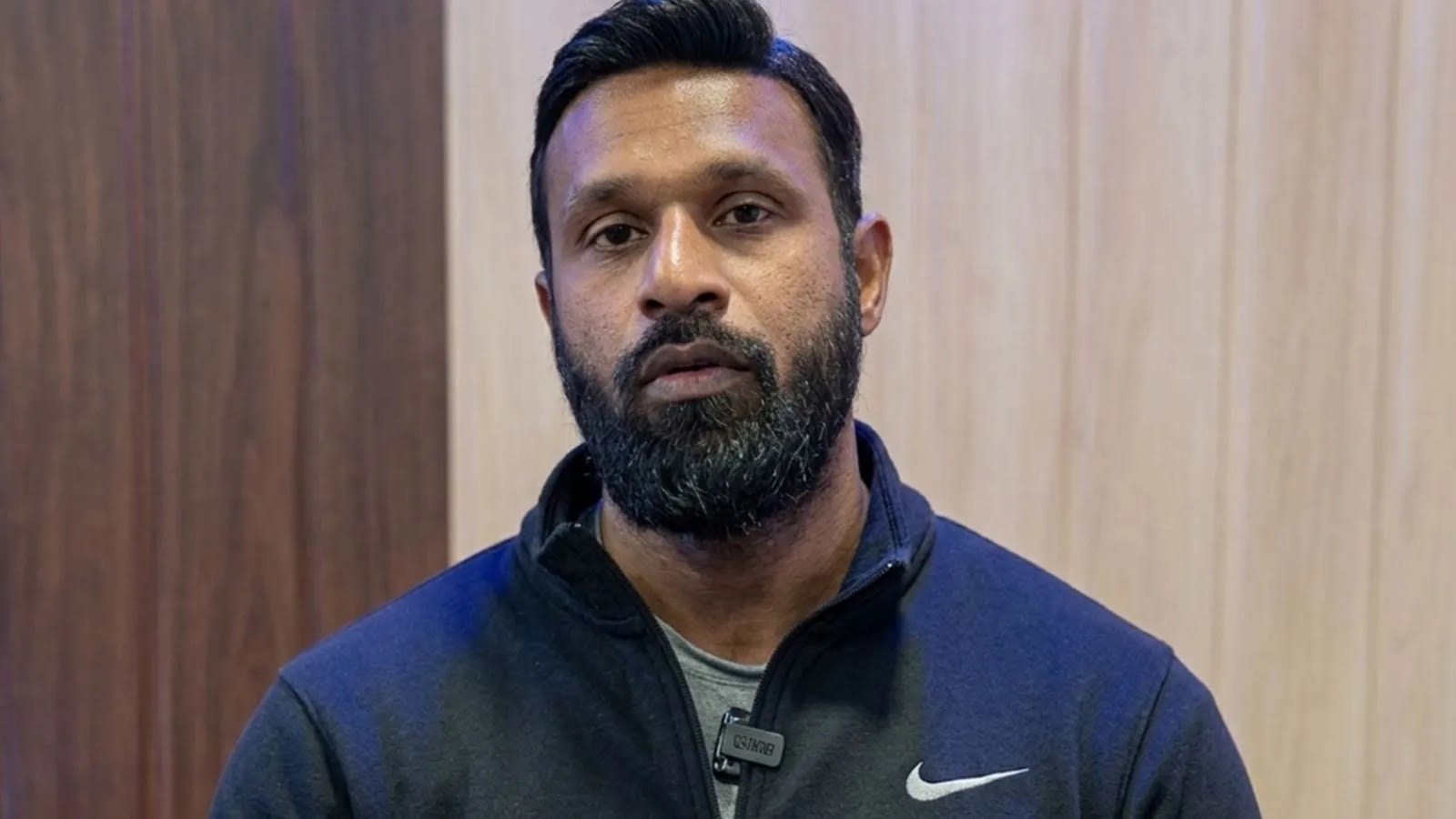
Deepak Kumar, a gym owner in Kotdwar known for a prior confrontation with Bajrang Dal members, has been arrested for allegedly assaulting and threatening a local businessman. Police detained him as a preventive measure to maintain public order following a formal complaint.
Contextual Analysis: The Arrest of Deepak Kumar in Kotdwar
The Incident and Legal Action
Deepak Kumar, a gym owner based in Kotdwar, Pauri Garhwal, was taken into police custody on Thursday following allegations of criminal intimidation and assault. The arrest stems from a formal complaint filed at the Kotdwar Kotwali police station by a local businessman, Sanjeev Tonk. According to official reports, Tonk alleged that Kumar engaged in abusive behavior, physical assault, and issued death threats, prompting authorities to initiate legal proceedings under sections 351(2) and 352 of the Bharatiya Nyaya Sanhita (criminal intimidation and intentional insult).
Public Profile and Prior Visibility
Kumar, who has been referred to in some reports as "Mohammad Deepak," gained significant public and media attention earlier this year. His prominence emerged after he confronted members of the Bajrang Dal regarding their alleged harassment of a Muslim shopkeeper in the region. This previous incident positioned him as a polarizing figure, drawing both support and scrutiny within the local social and political climate, which likely amplified the public interest surrounding his current arrest.
Preventive Measures and Law Enforcement
Local police authorities have characterized the arrest as a "preventive measure." By invoking these legal provisions, the police aim to mitigate the apprehension of a breach of peace. In regions where social tensions are historically sensitive, law enforcement agencies often utilize such preventive detention to ensure that individual disputes do not escalate into broader communal or civil unrest. The speed of the response reflects the administration's priority to maintain law and order in the Pauri Garhwal district.
Broader Implications of Social Polarization
The involvement of a figure who previously intervened in a communal dispute underscores the fragile nature of local social harmony. When individuals who have previously taken public stances on sensitive issues are involved in new legal conflicts, the situation is often viewed through a lens of past activism rather than just the immediate facts of the case. This context creates a challenging environment for local law enforcement, who must navigate the potential for public agitation while ensuring that the legal process remains impartial.
Future Trends and Judicial Path
As the case moves forward, the judiciary will be tasked with evaluating the specific evidence presented by the complainant, Sanjeev Tonk, against the defense provided by Kumar. The outcome of this case will be closely monitored, not only for its legal implications regarding the alleged assault and threats but also for its impact on local social stability. Future trends in the region will likely depend on whether the authorities can successfully decouple individual criminal complaints from the identity-based narratives that have previously surrounded the accused.