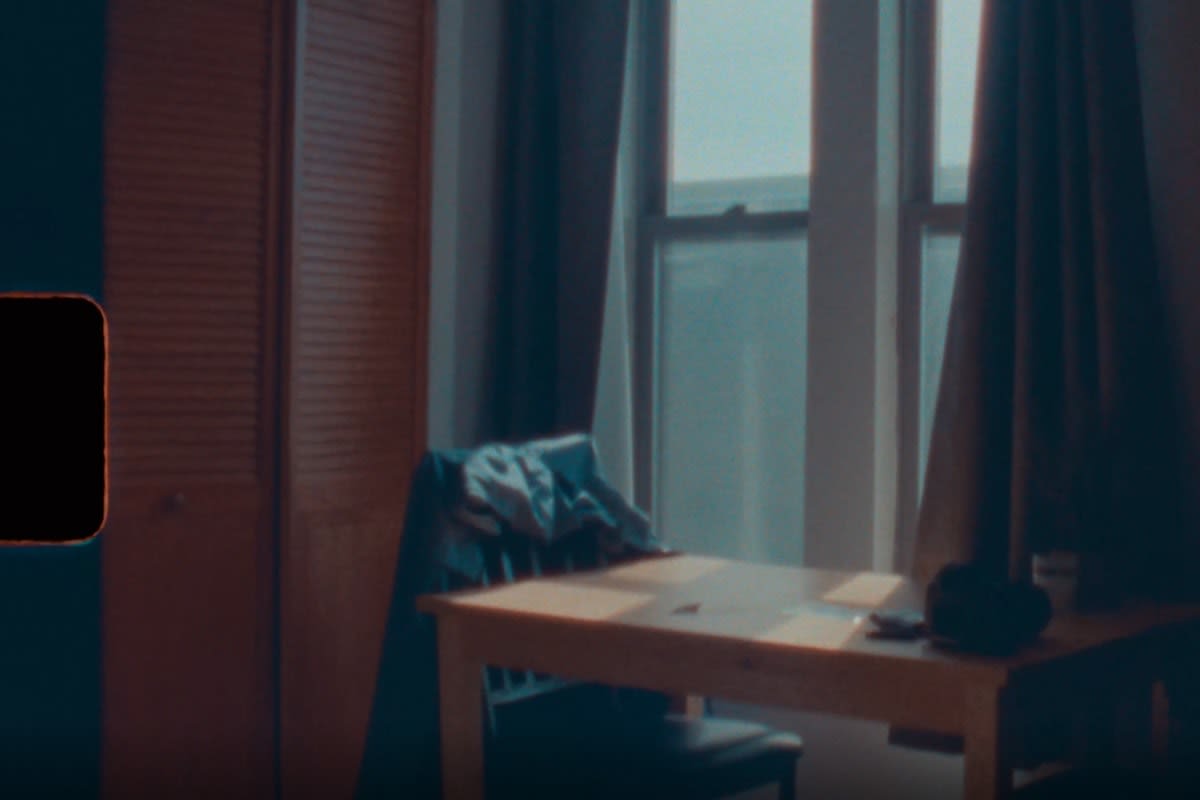
The Friction Between Space and Mind
Your physical environment is not a neutral backdrop; it is a cognitive amplifier. Most of us treat our desks, living rooms, and studios as mere containers for our gadgets, but the research suggests a deeper, more corrosive relationship. According to 2026 findings on algorithmic entertainment, immersive digital environments—like the short-video loops of Douyin—actively impair our ability to disengage. This cognitive fatigue doesn't vanish when you lock your screen. It lingers in the physical space, where every charging cable and notification LED serves as a residual cue, keeping your brain in a state of fragmented attention. Why do we continue to design our homes as extensions of our digital interfaces?
We are currently witnessing a surge in what researchers now quantify via the Digital Burnout Scale (2025). This isn't just stress; it is a systemic depletion of emotional resources characterized by fatigue, anxiety, and a claustrophobic sense of being trapped by a digital lifestyle. When your physical environment mirrors this digital chaos, you reinforce the cycle. The result is a state of digital deprivation, where the mere absence of a device triggers panic and a sense of vulnerability. To break this, we must stop treating 'focus' as a mental discipline and start treating it as a design problem.
The Core Philosophy
Slow Design is not about slowing down for the sake of nostalgia. It is a flexible, pluralistic approach that evaluates the true purpose of design activities, prioritizing social, cultural, and environmental sustainability over the speed of consumption.
Prerequisites for Your Space Audit
Before you move a single piece of furniture, you need to shift your perspective. You are no longer a resident or a worker in your space; you are an auditor. The goal is to identify the specific triggers that contribute to cognitive overload and emotional exhaustion. You must be willing to acknowledge the discomfort of disconnection. If you feel a surge of anxiety when your phone is in another room, that is not a failure of will—it is a data point indicating a high level of digital dependency that your environment is currently enabling.
- A physical notebook (no tablets) to record observations without digital interference.
- A stopwatch or timer to measure 'disengagement latency'—how long it takes you to stop thinking about a digital task once you leave the screen.
- A designated 'Zero-Cue Zone'—a small area of your home where no electronic devices are permitted, regardless of the circumstances.
- An honest inventory of every screen and notification-emitting device in your immediate vicinity.
The Step-by-Step Audit Process
- Map your High-Friction Zones: Identify areas where you experience the most intense symptoms of digital burnout, such as fatigue or a sense of helplessness.
- Audit Cognitive Cues: Catalog every physical object that prompts a digital reflex (e.g., a phone charger on a nightstand or a tablet in the kitchen).
- Analyze Digital Deprivation Triggers: Note the specific moments and locations where you feel 'exposed' or 'lost' without internet access.
- Apply Slow Design Iterations: Replace fragmented digital cues with tactile, sustainable alternatives that encourage deep psychological involvement with the physical world.
- Test and Refine: Use the pluralistic nature of Slow Design to iterate your space over weeks, not days, ensuring the changes stick.
Step one requires a brutal assessment of your emotional geography. Use the markers from the 2025 Digital Burnout Scale to evaluate your rooms. Do you feel a sense of fatigue the moment you sit at your desk? Does your bedroom feel like a place of rest, or is it an annex of your office? In high-density urban environments, such as the micro-apartments of Tokyo or Hong Kong, the overlap of living and working spaces exacerbates this burnout. The boundary between 'production' and 'recovery' vanishes, leaving the mind in a perpetual state of low-level alertness.

When auditing cognitive cues in step two, look for what the 2026 research calls 'fragmented information exposure.' This is the physical manifestation of the 'scroll.' A desk cluttered with multiple screens and notification lights mimics the experience of short-video addiction, where the brain is constantly primed for a new, unrelated stimulus. By removing these cues, you reduce the cognitive burden. Ask yourself: does this object help me finish the task at hand, or does it invite me to start ten other tasks?
"The Slow Design Principles offer a flexible, pluralistic approach for designers to gently evaluate themselves as to the true purpose of their design activities."— SlowLab Research Network
The most challenging part of the audit is addressing digital deprivation. The 2025 study highlights that overreliance on digital platforms leads to panic and insecurity during device-free periods. To combat this, you must intentionally design 'Analog Anchors.' In a bustling city like Lagos or Mexico City, this might mean creating a physical sanctuary—a reading nook or a garden patch—that provides an emotional resonance that digital media cannot replicate. These anchors act as psychological safety nets, teaching your brain that it is not 'vulnerable' when it is offline.
Implementing the Blueprint
| Digital Trigger | Cognitive Impact | Slow Design Intervention |
|---|---|---|
| Phone on Nightstand | Fragmented sleep, immediate burnout | Analog alarm clock + charging station in hallway |
| Multi-Monitor Setup | Cognitive overload, impaired disengagement | Single focus-screen + physical Kanban board |
| Notification LEDs | Constant state of alertness | Physical 'Do Not Disturb' sign/shutter |
| Tablet in Kitchen | Loss of sensory presence | Physical cookbook or printed recipe cards |
Implementation is not a one-time event; it is a process of iteration. The Slow Design Principles emphasize that these are not absolute truths but guiding tools. For instance, a designer in Berlin might find that a strict separation of digital and analog zones works best, while a creative in Mumbai might prefer a more fluid, integrated approach that uses tactile materials to soften the digital edge. The key is to move away from the passive consumption patterns that lead to cognitive fatigue and toward an active, reflexive relationship with your surroundings.

Finally, consider the social sustainability of your space. Digital burnout often manifests as loneliness or a sense of being lost, even when connected. By designing your physical environment to encourage real-world interaction—such as a communal table that prohibits phones—you create a buffer against the emotional exhaustion of the AI era. You are not just reclaiming your focus; you are reclaiming your humanity from the algorithm.
Common Pitfalls
- The Minimalism Trap: Thinking that removing objects is the same as removing triggers. A white room with one iPad is still a high-friction environment.
- Ignoring the Panic: Trying to go 'cold turkey' on digital devices without first building analog anchors, which leads to the 'digital deprivation' panic mentioned in the 2025 study.
- Linear Thinking: Expecting a permanent fix. Slow Design is iterative; your environment must evolve as your digital needs change.
- Over-Optimization: Turning the audit into another productivity hack, which only adds to the cognitive burden you are trying to alleviate.
Reclaiming your focus is not about fighting technology; it is about designing a world where technology has a designated, limited place. When you audit your environment through the lens of Slow Design, you stop being a passive user of your space and start becoming its architect. The goal is resilience—the ability to engage with the digital world without being consumed by it, and the capacity to step away without feeling a sense of loss.