Intel stock plunges 16% as chipmaker blames PC slowdown for weak guidance
Source Entity
US Top News and Analysis
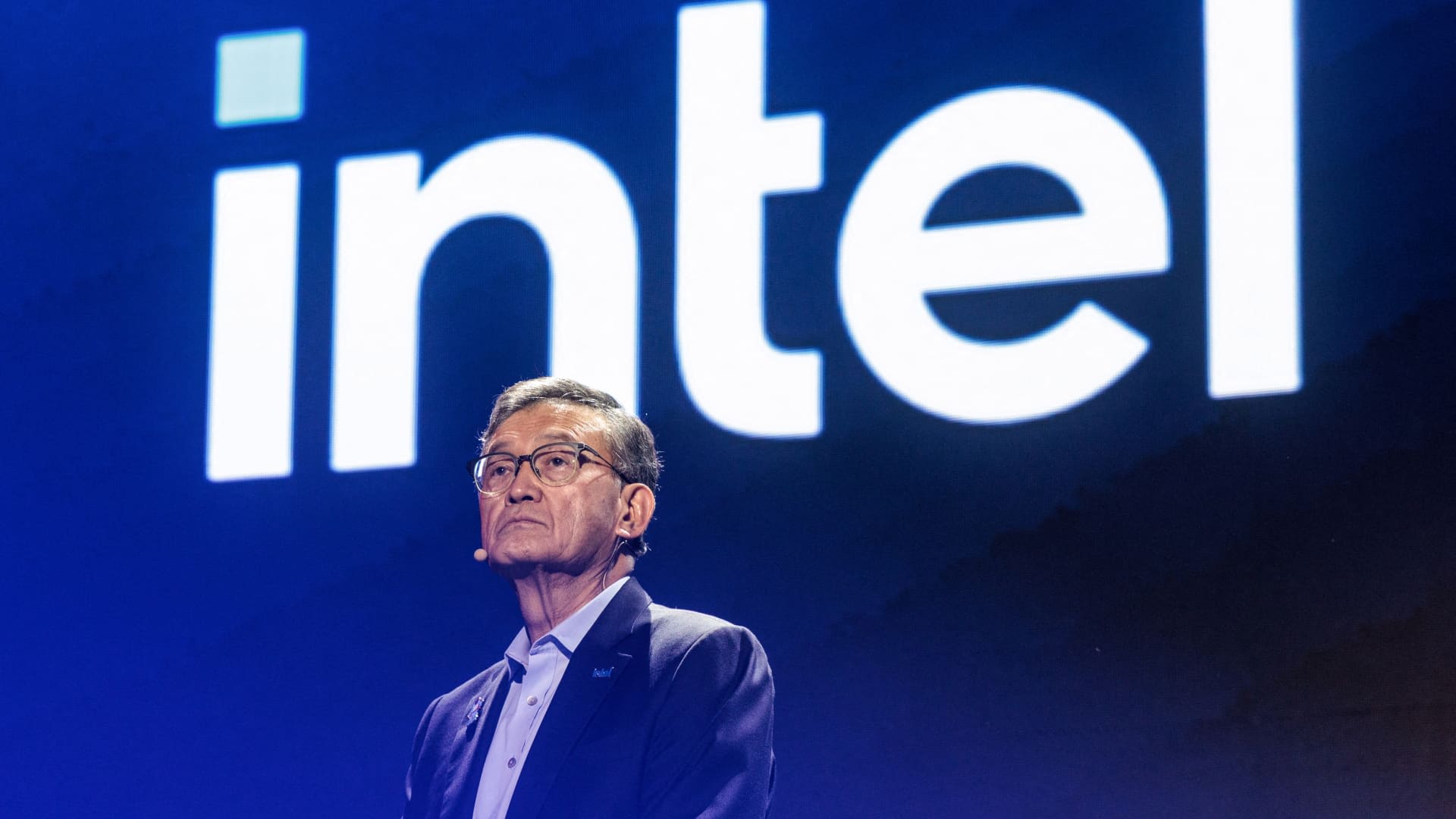
Intel shares plummeted 16% following a weak Q4 forecast despite beating Q3 earnings estimates. The decline is driven by a persistent slump in the global PC market, which continues to offset significant gains in the company's AI and data center segments.
Intel Faces Market Volatility Amid PC Market Headwinds
Intel’s recent 16% stock plunge following its third-quarter earnings report highlights a stark dichotomy in the chipmaker's current performance. While the company exceeded analyst expectations for the quarter—reporting 52 cents in adjusted earnings per share against a 40-cent forecast and $16.51 billion in revenue—the market reacted with severe skepticism to the company's forward-looking guidance. This reaction underscores the intense pressure Wall Street places on long-term growth trajectories over immediate quarterly successes.
The PC Market Drag
At the heart of the sell-off is the continued weakness in the global PC market. Despite Intel's attempts to pivot toward high-growth sectors, the client computing group remains a significant portion of its revenue, falling 5% year-over-year to $8.1 billion. This decline is symptomatic of broader trends, including a 4% contraction in global PC shipments and reduced IT budgets for corporate laptop refreshes. As memory-chip prices fluctuate, the demand for new hardware remains suppressed, creating a substantial anchor on Intel's overall financial health.
The AI Paradox
Intel’s narrative has been complicated by its dual identity. On one hand, the company has seen impressive momentum in its data center and AI divisions, which surged 78% to $7.3 billion. This suggests that Intel’s strategic investments in artificial intelligence infrastructure are beginning to yield tangible returns. However, the market’s focus remains locked on the volatility of the consumer electronics segment, effectively muting the enthusiasm for the company's successful AI expansion.
Long-term Outlook and Foundational Challenges
Looking ahead, analysts are bracing for a period of downward revisions. The consensus suggests that the weakness in the consumer electronics market is not merely a transient issue but one that may persist well into 2027. This long-term outlook forces investors to reconcile the company's solid growth in data center demand with the persistent underperformance of its legacy PC business. The challenge for Intel moving forward will be to demonstrate that its foundry improvements and AI advancements can eventually decouple its stock performance from the cyclical nature of the PC industry.
Strategic Implications for Investors
The decision for shareholders to either hold or divest is complex. While the guidance miss has triggered a sharp sell-off, some market observers argue that the long-term outlook for Intel's foundry business and AI capabilities remains intact. Selling now would essentially lock in current losses without accounting for the potential maturation of the company's strategic pivots. Ultimately, Intel’s volatility serves as a reminder of the risks inherent in semiconductor companies that are currently navigating a transition between legacy hardware dominance and the burgeoning artificial intelligence economy.