GM reaches $220M settlement over selling drivers’ private data
Source Entity
Kirsten Korosec
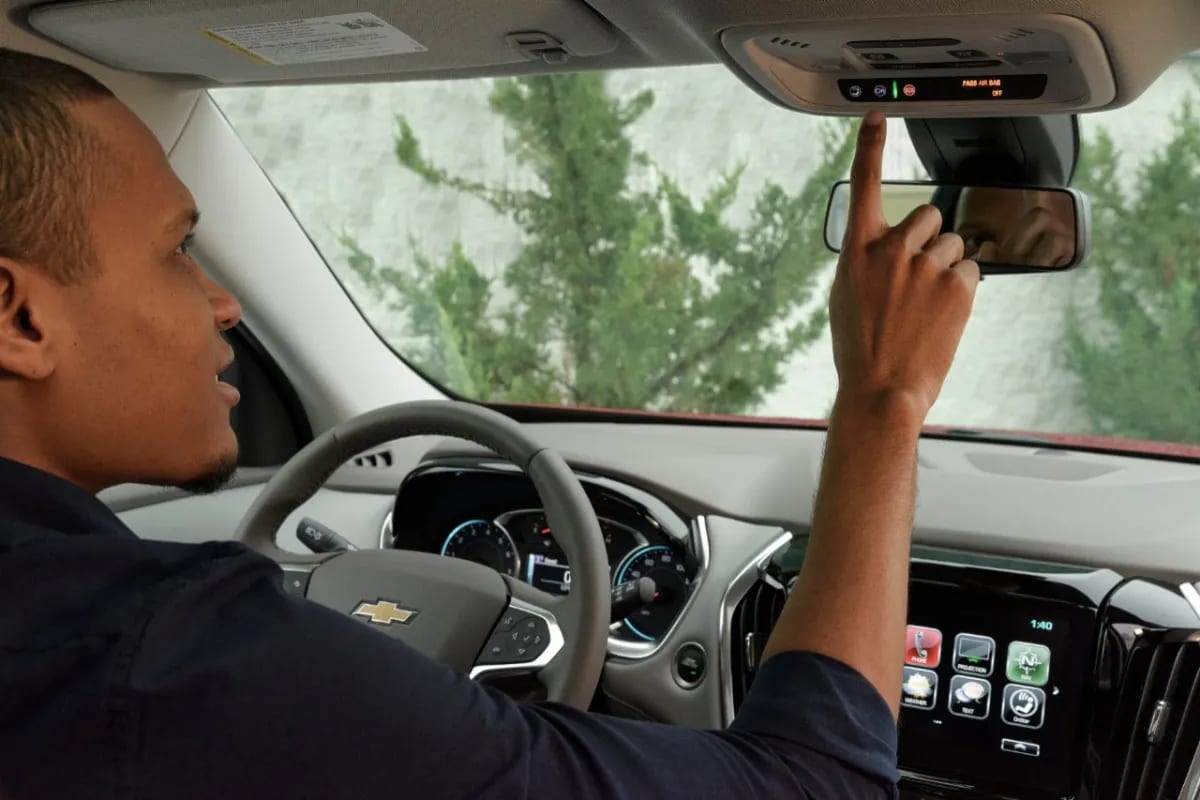
General Motors has agreed to a $220 million settlement with 36 U.S. states regarding the unauthorized sale of driver data. The automaker must now obtain express consent for data collection and undergo third-party privacy audits.
GM Settles Privacy Claims for $220 Million
General Motors (GM) has reached a significant $220 million settlement with a coalition of 36 U.S. attorneys general, effectively resolving widespread allegations that the automotive giant illegally harvested and sold sensitive driver location and behavioral data to third-party data brokers. This legal resolution marks a pivotal moment in the ongoing debate regarding consumer privacy in the era of 'connected' vehicles. By settling these claims, GM acknowledges the gravity of concerns raised by state regulators who argued that the company’s data practices bypassed fundamental consumer protections.
The Anatomy of the 'Smart Driver' Controversy
The core of the legal dispute centered on GM’s now-discontinued 'Smart Driver' program. This initiative was designed to monitor driving habits, including granular metrics such as acceleration patterns, braking frequency, and total trip length. While such telematics are often marketed under the guise of safety improvements or personalized insurance rates, the investigation revealed that this data was being funneled to data brokers. These brokers, in turn, were allegedly selling the information to insurance providers, who could then use these behavioral insights to adjust premiums without the driver’s explicit knowledge or consent.
Regulatory Impact and New Compliance Standards
Under the terms of the settlement, GM is now bound by rigorous new operational requirements. Beyond the substantial financial penalty, the company is legally mandated to obtain 'express consent' from drivers before collecting or sharing any driving or location-based data. These requirements align with previous agreements GM reached with the Federal Trade Commission and the state of California, signaling a unified regulatory front. Furthermore, the settlement introduces a crucial accountability mechanism: GM must now submit to periodic third-party assessments to verify its compliance with these new privacy protocols.
Broader Implications for the Automotive Industry
This settlement serves as a warning shot to the automotive industry at large. As modern vehicles evolve into sophisticated data-gathering hubs, the line between vehicle performance optimization and invasive surveillance has become increasingly blurred. Automakers have long viewed user data as a lucrative secondary revenue stream, but this legal action suggests that state regulators are prepared to penalize companies that prioritize data monetization over consumer transparency. The automotive sector must now reckon with a future where data privacy is no longer an optional feature but a core regulatory requirement.
Future Trends in Vehicle Data Governance
The enforcement action against GM is likely to trigger a wave of legislative and regulatory scrutiny across the technology and automotive sectors. As connected car technology becomes ubiquitous, the demand for transparent data governance will only intensify. We can expect to see more states adopting stringent privacy frameworks that treat vehicle data with the same level of protection as sensitive financial or health records. For GM, the path forward involves rebuilding consumer trust through verifiable transparency, as the era of unchecked data harvesting in the automotive space appears to be coming to a definitive close.