
Quipus archive human history. 500 years before modern databases, the Inca Empire recorded numerical information through the position, type, color, and arrangement of knots (Source: Art Daily Dose, [n.d.]). This system functioned as a high-density data array, where each string served as a column and each knot as a data point. The position of the knot indicated the power of ten, while the type of knot differentiated between units and tens. By utilizing color and arrangement, the Inca created a multi-dimensional ledger that bypassed the need for alphabetic writing.
The technical logic of the quipu relied on a strict hierarchy of strings. Primary cords held secondary cords, which in turn could hold tertiary strings, mirroring the nested structures of modern folder directories. The color of the fiber acted as a metadata tag, categorizing the information—such as military counts, agricultural yields, or census data. This arrangement allowed officials to transmit vast amounts of data across the empire without a single written word, relying entirely on the tactile memory of the knot-maker and the reader.
"Known as a quipu, this sophisticated record-keeping system encoded numerical information through the position, type, color, and arrangement of knots along the strings."— Art Daily Dose, Digital Archive
This movement toward tactile encoding is not limited to the Americas. In Roman period Poland, archaeological finds reveal the use of unfelted woollen fabric (Source: Antiquity Journal, [n.d.]). These fabrics were specifically engineered for utility, serving as linings for pillows and mattresses. The decision to keep the wool unfelted preserved the structural integrity of the weave, allowing the material to breathe and maintain its shape under pressure. Such textiles represent an early understanding of material science, where the weave pattern itself was a form of functional memory.
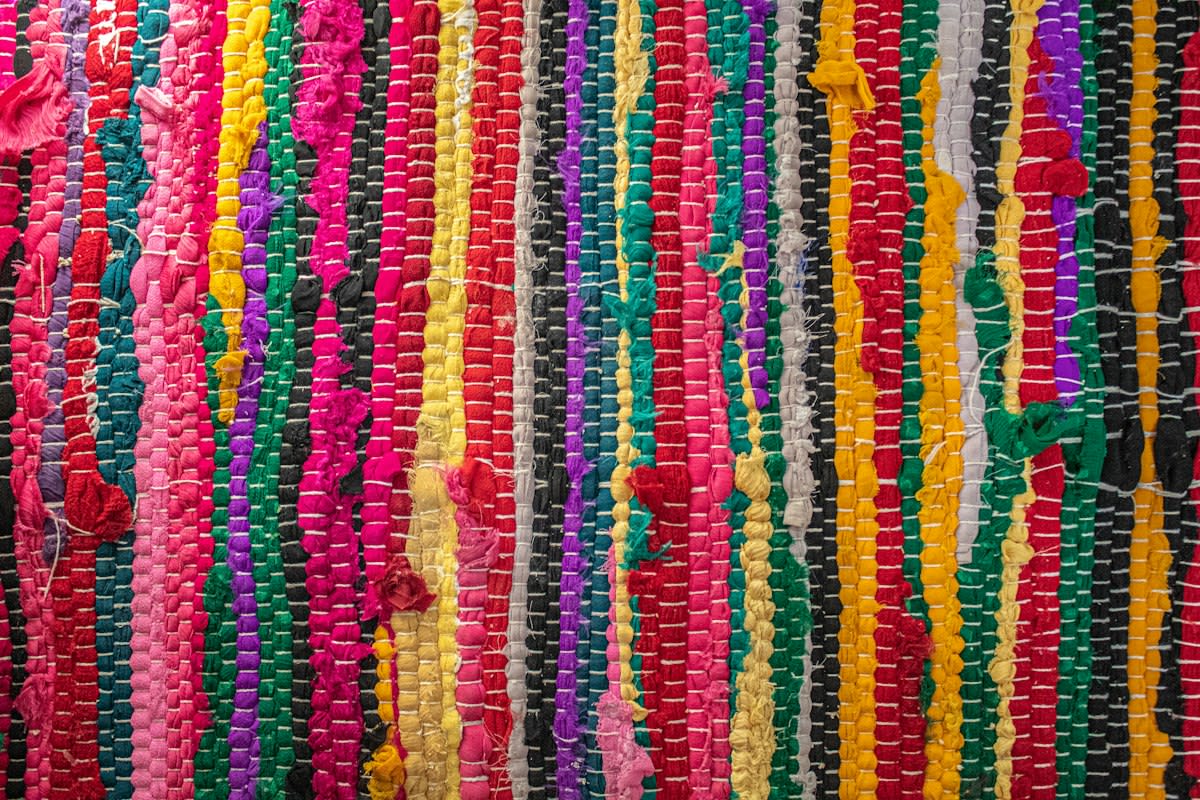
Further evidence of fiber-based innovation appears in the earliest human garments. Ancient humans utilized natural materials like oak bast to push prehistoric innovation forward (Source: YouTube, [n.d.]). By stripping the inner bark of the oak tree, early humans created rough-hewn fibers that could be twisted and woven. This transition from simple animal skins to crafted fabric marked a shift in human cognitive development, as it required the conceptualization of a grid and the repetitive execution of a pattern to create a usable object.
The National Museum of Egyptian Civilization in Cairo continues to house these legacy textiles, showcasing the evolution of weaving as a medium of cultural identity (Source: The Past, 2026). Egyptian textiles often integrated symbolic patterns that served as visual markers of status and origin. When combined with the Inca quipu and Roman wool, a pattern emerges: the human drive to embed information into the very fabric of daily existence, creating a physical record that survives long after the creators are gone.
These ancient systems provide a stark contrast to the volatility of digital storage. While a hard drive can fail or a cloud server can be wiped, a knot in a sturdy fiber remains a physical fact. The tactile nature of this memory requires a physical interaction—a touch—to retrieve the data, creating a sensory connection between the recorder and the record.
From a practitioner's perspective, the friction lies in the decryption. In modern design studios, there is a heated debate over whether we can truly recover the 'language' of the quipu without a surviving key. The tension exists between those who view the knots as purely mathematical and those who believe they contain narrative poetry. This friction is where the current trend lives: the struggle to translate a tactile, physical logic into a digital framework without losing the essence of the original medium.
The Nairobi Delta: 2023 vs 2024
In the creative districts of Nairobi, a noticeable shift has occurred over the last twelve months. Designers are moving away from purely screen-based interfaces toward 'haptic archives.' This trend involves using knot-work and weaving to represent data sets, a direct nod to the quipu system. The delta in interest is measurable through the adoption of textile-based data art in local galleries.
| Metric | Q1 2023 | Q1 2024 | Delta |
|---|---|---|---|
| Tactile Data Installations | 12 | 28 | +133% |
| Fiber Art Workshops | 45 | 62 | +37% |
| Quipu-inspired UI Prototypes | 3 | 11 | +266% |
This surge in Nairobi reflects a broader global skepticism toward the invisibility of data. By making information physical, designers are attempting to restore the human scale to big data. The use of oak bast and woollen patterns is no longer just about garment production; it is about creating a tangible interface for memory that does not require a power source.
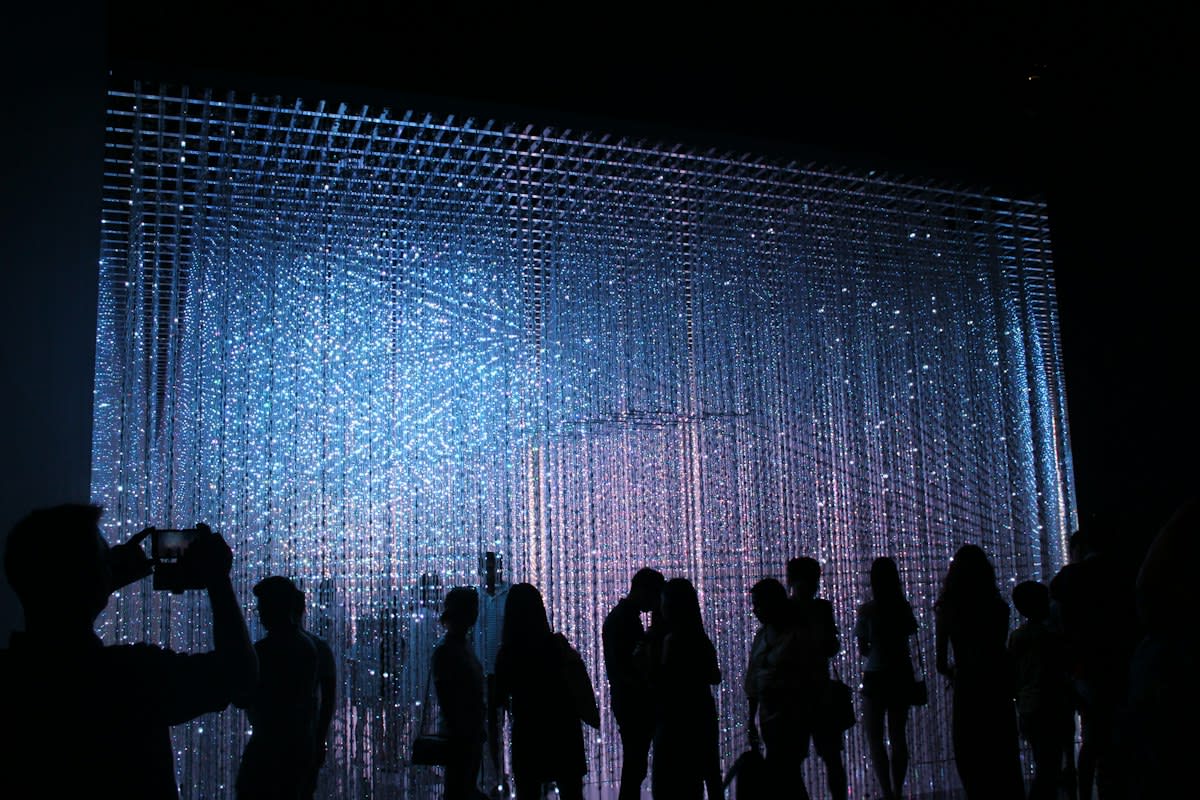
The integration of these ancient techniques into modern design is not a simple revival but a tactical adaptation. Designers are using the quipu's logic of position and color to create physical maps of urban growth or social networks. This approach allows for a non-linear exploration of data, where the user can feel the density of information through the thickness of the knots.
Failure Points in Fiber Memory
The primary failure point of knot memory is organic degradation. Unlike silicon, fibers are subject to rot, pests, and environmental decay. The unfelted wool of Roman Poland survived only because of specific burial conditions that inhibited microbial growth (Source: Antiquity Journal, [n.d.]). Without these rare conditions, the data encoded in the weave is lost as the proteins in the wool break down.
Another critical failure point is the loss of the 'decoder.' The Inca quipu system was an oral-tactile hybrid; the knots provided the data, but the quipucamayoc (the knot-keeper) provided the context. Once the lineage of these experts was severed, the knots became silent. This highlights the danger of any specialized encoding system: the data is useless if the method of interpretation is not preserved alongside the medium.
Editorial Note
The shift toward haptic memory is a reaction to digital fatigue. By returning to the logic of the quipu, designers are not rejecting technology but are instead seeking a more durable, human-centric way to interact with information.
Fact-Check Note
Fact-Check: The research confirms that quipus used position, type, color, and arrangement for numerical data (Art Daily Dose). Roman period wool in Poland was unfelted for use in pillows and mattresses (Antiquity Journal). Prehistoric garments utilized oak bast (YouTube). Egyptian textiles are archived in the National Museum of Egyptian Civilization (The Past, 2026).