Army officer’s wife booked on suspicion of sharing sensitive info with foreign nations
Source Entity
Arun Sharma
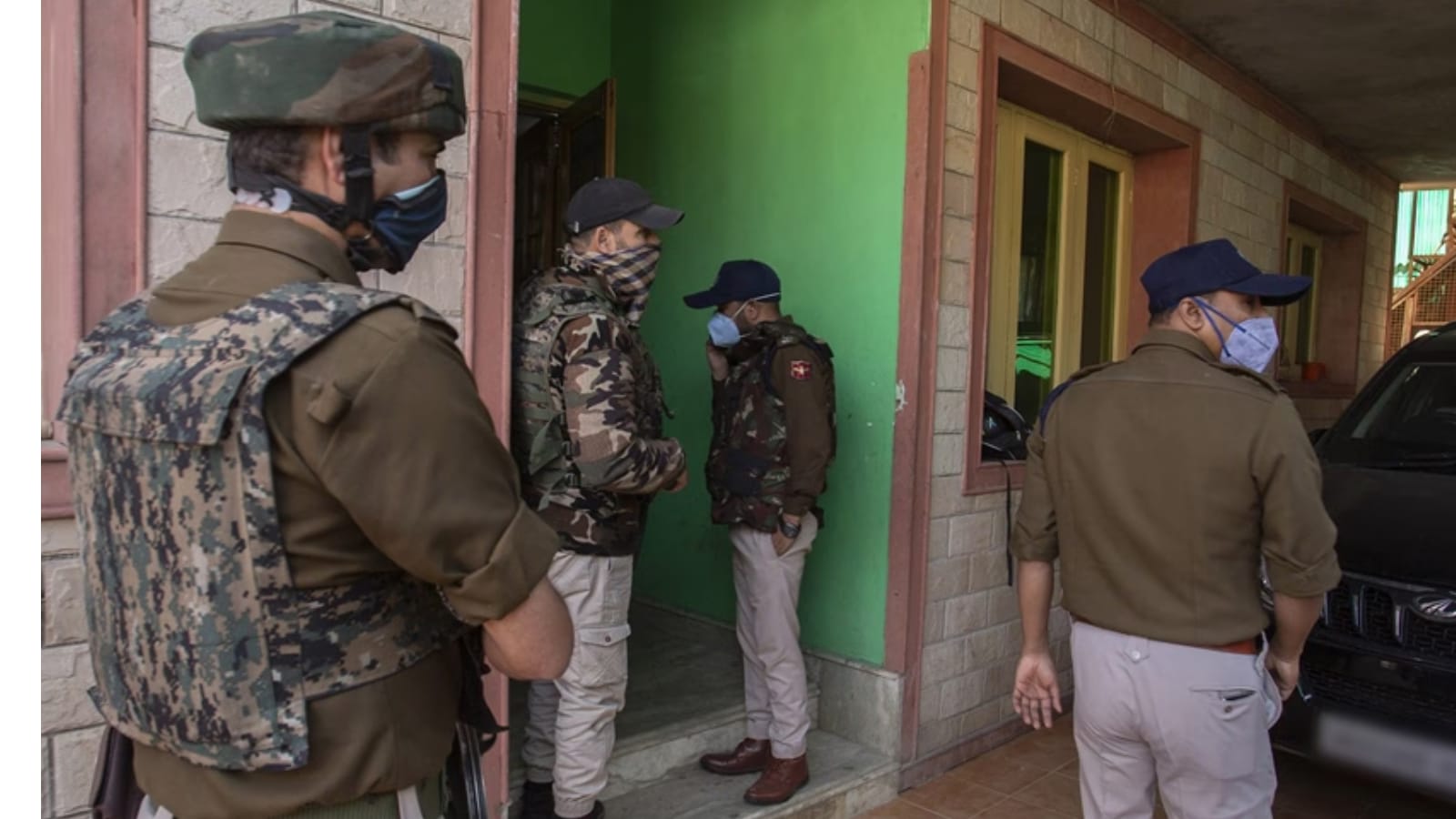
The Jammu and Kashmir Police have booked the wife of an Army officer for allegedly spying and sharing sensitive national security information with foreign intelligence operatives. The case involves charges under the Official Secrets Act and the Bharatiya Nyaya Sanhita, as authorities investigate potential links to Chinese agents.
National Security Breach: Army Officer's Wife Under Investigation
The Allegations and Legal Framework
Recent reports from Jammu and Kashmir indicate a serious breach of national security involving the wife of a serving Army officer. The Jammu and Kashmir Police have initiated a formal inquiry after registering an FIR at the Gandhinagar police station. The allegations suggest that the accused, a native of Telangana, was systematically collecting and transmitting sensitive, confidential information to foreign intelligence operatives. The legal response has been swift, invoking stringent sections of the Official Secrets Act, specifically Section 3—which pertains to spying and actions prejudicial to the safety of the State—and Section 4, concerning communications with foreign agents.
Expanding the Scope of Charges
Beyond the Official Secrets Act, the authorities have applied the Bharatiya Nyaya Sanhita, specifically Section 152, which addresses acts endangering the sovereignty, unity, and integrity of India, alongside Section 61(2) for criminal conspiracy. The application of these robust legal provisions underscores the gravity with which the Indian security apparatus views the compromise of military intelligence. By involving multiple layers of the legal code, the state is signaling a comprehensive approach to prosecuting those who jeopardize national defense from within the inner circles of the armed forces.
The Modus Operandi: Digital Espionage
While the investigation remains in its nascent stages, reports suggest that the accused allegedly interacted with foreign agents who posed as academicians. This technique, often referred to as 'honey-trapping' or 'social engineering,' exploits the perceived legitimacy of academic or professional research to solicit sensitive data. The police are currently working to determine the extent of the information shared and the specific nature of the 'communications' that occurred. Investigators are particularly focused on the digital footprint and the methods of transmission used to relay this sensitive material to foreign handlers.
Geopolitical Implications and Foreign Links
Though official details regarding the specific foreign entities remain limited, reports have surfaced indicating potential links to operatives associated with China. The involvement of foreign intelligence in the domestic sphere of the Indian military is a recurring concern, particularly in border-sensitive regions like Jammu and Kashmir. The case highlights the persistent vulnerability of military personnel and their families to sophisticated foreign intelligence operations, which often target individuals through digital platforms to bypass traditional security perimeters.
The Broader Security Landscape
This incident serves as a stark reminder of the evolving nature of hybrid warfare, where non-traditional actors—such as those posing as academics or researchers—are utilized to infiltrate the sensitive information networks of the state. The fact that the accused was residing in a sensitive region like Jammu suggests a deliberate attempt to gather intelligence that could have a direct bearing on national security. The ongoing investigation by a Deputy Superintendent of Police (DSP)-rank officer reflects the priority level assigned to this case by local law enforcement and intelligence agencies.
Future Trends in Counter-Intelligence
Looking ahead, this case will likely prompt a re-evaluation of security protocols regarding the families of military officers stationed in sensitive zones. As foreign intelligence agencies continue to employ sophisticated social engineering tactics, the Indian military and internal security agencies will likely tighten digital literacy requirements and monitoring protocols for those with access to sensitive environments. The outcome of this investigation will serve as a precedent for how the state handles internal security threats that straddle the line between personal activity and state-level espionage.