Manipur in turmoil again: 15 houses torched; 1 killed, several injured in gun attack
Source Entity
LAIRENLAKPAM WARLI
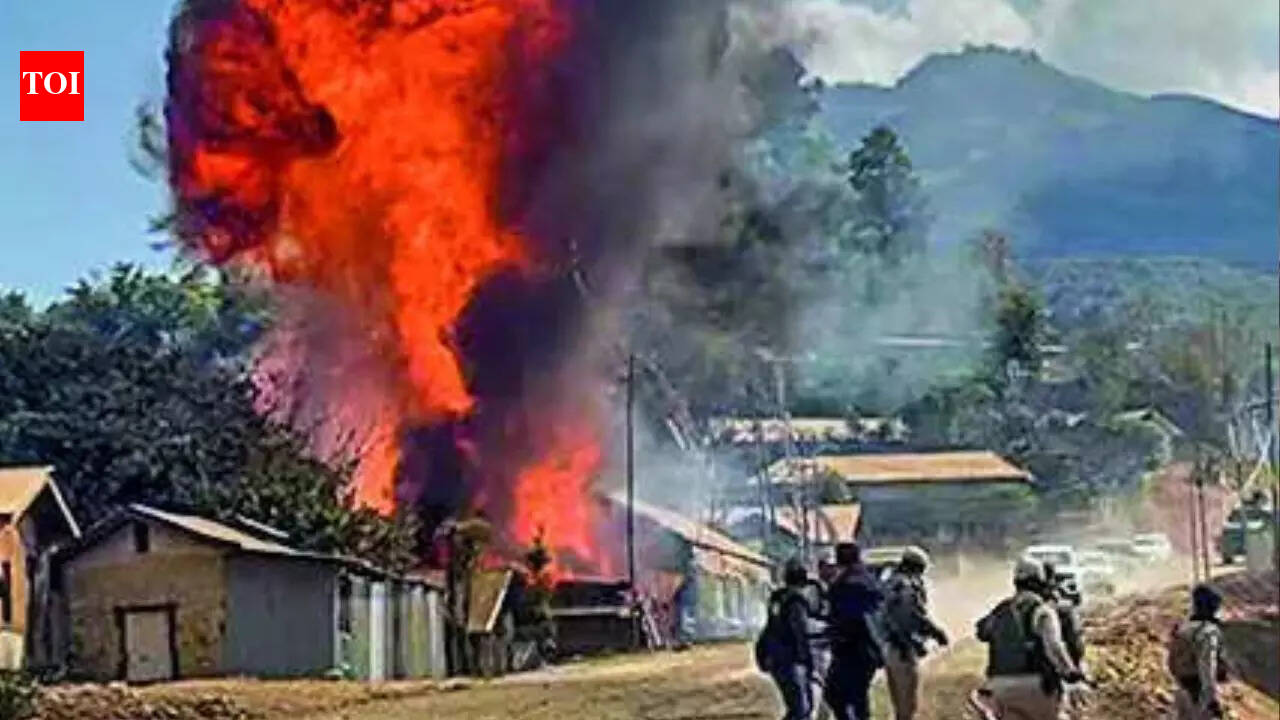
Manipur's Kamjong district faces renewed violence as inter-community clashes between Kuki and Naga groups lead to deaths, injuries, and the burning of multiple villages. Security forces, including the Assam Rifles and BSF, have been deployed to stabilize the region following the escalating conflict.
Escalating Tensions in Manipur's Kamjong District
Manipur has once again become the epicenter of a volatile security situation, as fresh violence erupted in the Kamjong district. Reports indicate that the conflict, characterized by arson and gunfights, has resulted in the destruction of at least 15 homes in Chassad village and the subsequent burning of two additional Tangkhul Naga villages. This latest cycle of unrest underscores the fragile stability in the state's hill regions, where inter-community tensions have historically remained high.
The Sequence of Violence
The violence began late Saturday night in Chassad, where suspected militants launched an assault, forcing residents to flee their homes toward nearby forests and Army camps. The situation deteriorated rapidly when a 36-year-old Kuki civilian was killed and four others were wounded in a gun attack. In what appears to be a retaliatory wave of instability, a subsequent gunfight erupted that left three Tangkhul Naga individuals injured, further complicating the local security landscape.
The Dynamics of Inter-Community Conflict
The conflict in Kamjong district highlights the deep-seated grievances between different ethnic groups in Manipur. The retaliatory nature of the attacks—where the death of a Kuki man was followed by the targeting of Tangkhul Naga villages—demonstrates the high risk of communal escalation. Such incidents are not isolated but reflect broader, long-standing disputes over land, resources, and regional influence that often manifest in violent confrontations between armed groups representing these communities.
Security Response and State Intervention
In response to the deteriorating law and order situation, a joint security operation involving the Assam Rifles, the Border Security Force (BSF), and the Kamjong Police has been launched to regain control. The deployment of these forces is critical to preventing further displacement of civilians and containing the spread of armed conflict. Deputy Chief Minister Nemcha Kipgen has publicly condemned the acts of violence, emphasizing the necessity of strict punitive action against the perpetrators to deter future outbreaks.
Broader Implications for Manipur
The recurrence of violence in Kamjong poses a significant challenge to the state administration's efforts to maintain peace. The destruction of civilian housing and the displacement of residents into forest areas create a humanitarian concern that adds to the existing burden on local infrastructure. As the state grapples with these periodic outbursts, the focus remains on the efficacy of security coordination and the urgent need for long-term conflict resolution mechanisms that can bridge the divide between the Kuki and Naga communities.
Conclusion
The situation in Kamjong remains fluid and highly sensitive. While the presence of central and state security forces is intended to stabilize the region, the underlying tensions require a sustained approach to de-escalation. The international and national observers will likely keep a close watch on how the authorities manage the aftermath of these killings and arson incidents, as the outcome will be indicative of the state's current capacity to manage internal security threats.
Multiple Citing Sources