Arunachaleswarar temple elephant in Tiruvannamalai named ‘Namasivayam’
Source Entity
India Latest News: Top National Headlines Today & Breaking News | The Hindu
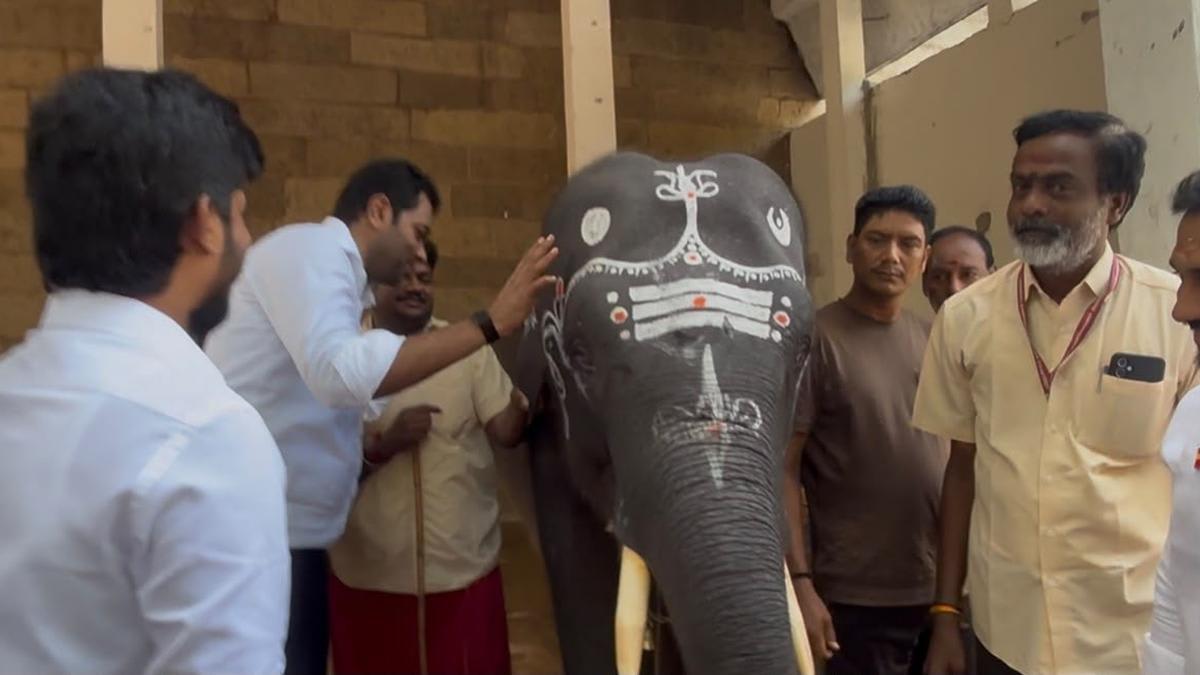
The Arunachaleswarar Temple in Tiruvannamalai has officially renamed its resident elephant 'Namasivayam'. The ceremony was conducted by state ministers following the animal's arrival from Assam.
A New Identity for a Temple Guardian
The Arunachaleswarar Temple, a site of immense spiritual and cultural significance in Tiruvannamalai, recently held a formal naming ceremony for its resident elephant. Originally known as 'Hiralal' upon his arrival from Assam on September 24, the elephant has been rechristened 'Namasivayam'. This transition from a name given in his home state to one deeply rooted in the local Shaivite tradition marks his official integration into the temple's daily life and spiritual ecosystem.
Official Oversight and Presence
The naming ceremony was conducted with significant administrative presence, highlighting the importance of temple management in Tamil Nadu. The event was officiated by Minister for Public Works and Sports Development, Aadhav Arjuna, and the Minister for Hindu Religious and Charitable Endowments (HR&CE), Ramesh. Their participation, alongside District Collector Vandhana Garg and HR&CE Joint Commissioner S. Bharanidharan, underscores the state government's commitment to overseeing temple affairs and the welfare of temple-housed animals.
The Role of HR&CE in Animal Welfare
Under the jurisdiction of the Hindu Religious and Charitable Endowments (HR&CE) department, the management of temple elephants involves rigorous protocols. The recent inspection by the ministers served a dual purpose: the formal naming ceremony and an assessment of the living conditions provided for the animal. Temple officials have confirmed that adequate measures have been implemented around the elephant's resting area to ensure his comfort and safety in the new environment.
Cultural Integration and Public Access
The choice of the name 'Namasivayam'—a sacred mantra associated with Lord Shiva, the presiding deity of the Arunachaleswarar Temple—is highly symbolic. It reinforces the elephant’s role not merely as an animal, but as a participant in the temple's devotional culture. Following the ceremony, HR&CE officials opened the arena for devotees to view the elephant, allowing the community to connect with the new arrival within the sanctified premises of the temple complex.
Broader Implications and Future Trends
This event reflects a broader trend of state-monitored animal care within religious institutions. By ensuring that senior government officials are directly involved in the naming and welfare checks of such animals, the administration aims to maintain high standards of husbandry. As the elephant settles into his role in Tiruvannamalai, the focus will likely remain on providing consistent veterinary care and environmental enrichment, ensuring that the legacy of temple elephants continues to align with modern welfare standards while honoring ancient traditions.
Conclusion
The renaming of 'Hiralal' to 'Namasivayam' is more than a simple administrative update; it represents the welcoming of a new guardian into the Arunachaleswarar Temple. Through the collaborative efforts of ministers, district administration, and temple authorities, the process underscores a structured approach to temple management that prioritizes both religious tradition and the ethical treatment of the animals entrusted to their care.
Verification Required?