"Hatred In Their Hearts": Trump Blames Immigrants For Unrest In France
Source Entity
NDTV News Search Records Found 1000
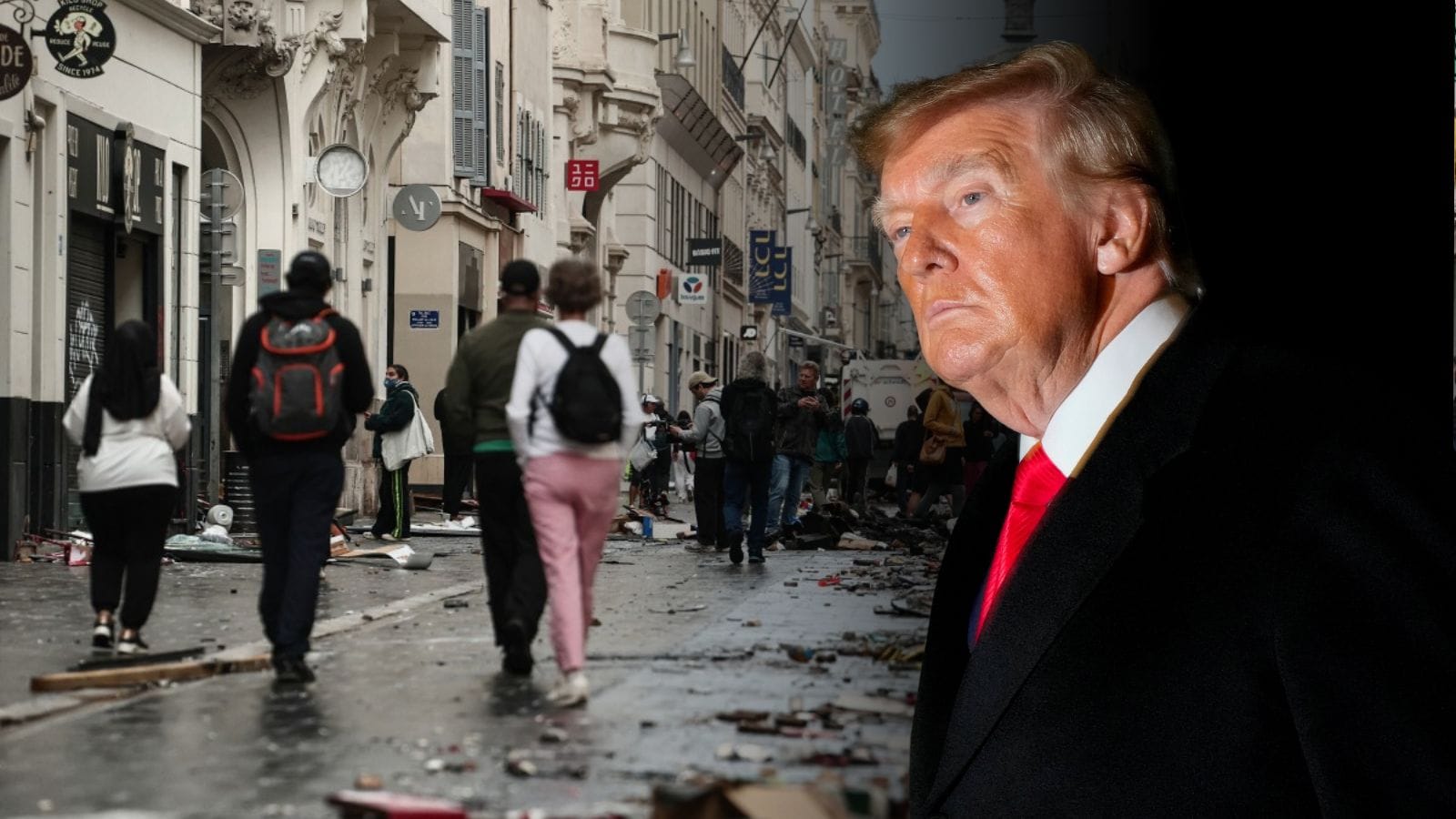
Widespread violent protests have erupted across France as citizens rally against rising living costs and social inequality. Over 270 individuals were arrested following clashes involving arson, looting, and police interventions.
The Resurgence of Civil Unrest in France
France is currently grappling with a significant wave of civil unrest as more than 600 demonstrations have been organized across the nation. The protests, which have turned increasingly violent, reflect deep-seated public frustration over the rising cost of living, specifically the spiking prices of gasoline, energy, and food. This widespread dissatisfaction has created a volatile environment where peaceful assembly has frequently devolved into chaos, characterized by the destruction of public and private property.
Escalation and Public Disorder
The intensity of these demonstrations is evidenced by the reports from the Interior Ministry, which documented a surge in violent incidents. Throughout cities such as Paris, Lyon, and Marseille, the situation has escalated to include the torching of vehicles, the looting of retail shops, and direct physical assaults on police officers. In Paris, the severity of the unrest was captured in visuals showing protesters scaling statues to display anti-police banners, while police forces were forced to deploy tear gas and water cannons to regain control of major public squares.
The Return of the 'Yellow Vest' Movement
A critical component of these protests is the revival of the 'yellow vest' (Gilets Jaunes) movement, which first gained international prominence in 2018. Originally sparked by fuel tax hikes, the movement has once again become a vehicle for those feeling marginalized by current economic policies. By leveraging social media to mobilize, these groups have successfully bridged the gap between traditional union-backed labor protests and the grievances of high school students, creating a broad, multi-generational coalition of dissent against the government.
Government Response and Security Challenges
Interior Minister Laurent Nuñez’s office has acknowledged the severity of the situation, noting the systematic targeting of public buildings and the physical danger posed to law enforcement. With at least 272 arrests reported, the state is attempting to maintain order while navigating the delicate balance between upholding the right to protest and preventing the total breakdown of public safety. The destruction of town halls and the targeting of state infrastructure suggest that the protesters' anger is directed not just at economic conditions, but at the perceived indifference of the political establishment.
Socio-Economic Implications
The convergence of student grievances with the broader economic anxiety of the working class signals a period of prolonged instability for France. As inflation continues to impact household budgets, the pressure on the government to provide structural economic relief intensifies. If the state cannot effectively address the root causes of these grievances—namely the affordability of essential goods—the cycle of violence and state suppression is likely to persist, potentially leading to further social fracturing in the coming months.
Conclusion
The current unrest represents a critical juncture for French domestic policy. While the immediate focus remains on law and order and the containment of physical damage, the long-term resolution will require a comprehensive strategy to address the economic hardships fueling the public's rage. The synergy between historical protest movements and new, student-led initiatives indicates that the government faces a formidable challenge in restoring social peace.
Multiple Citing Sources
Verification Required?