Iran Urges US To Accept Proposal To Reopen Strait Of Hormuz
Source Entity
NDTV News Search Records Found 1000
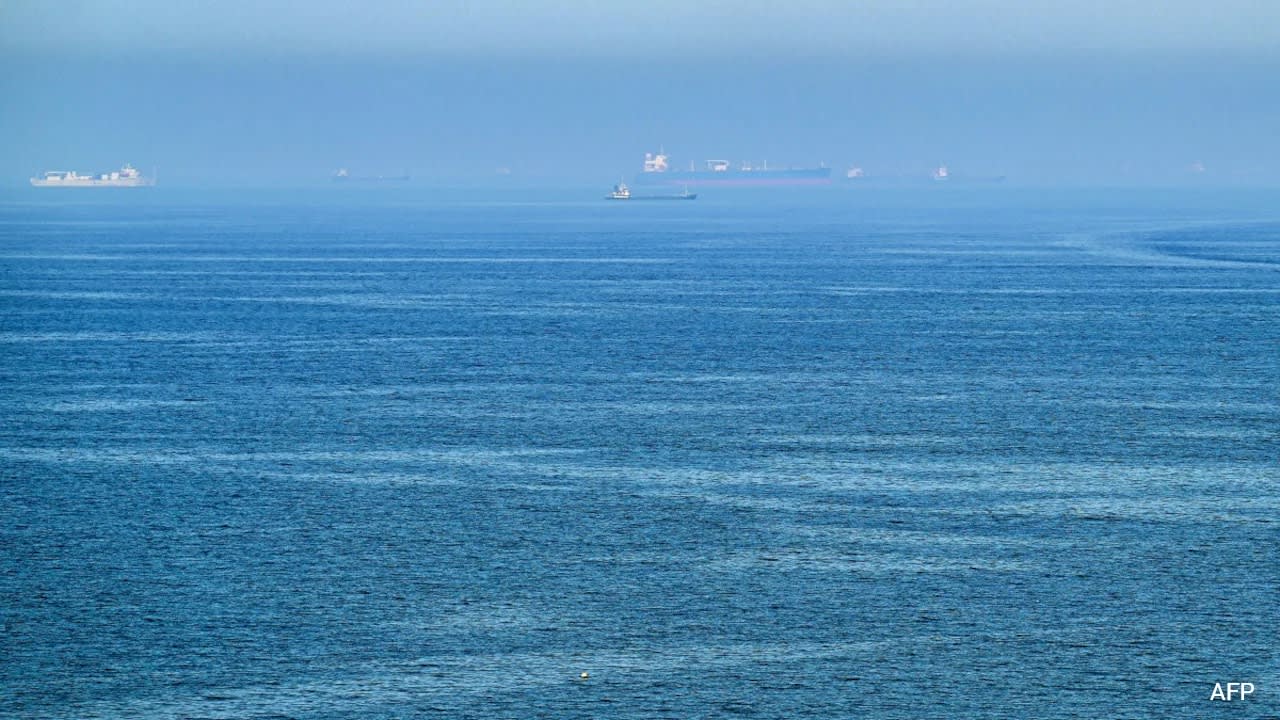
Iranian Foreign Minister Abbas Araghchi has reaffirmed a proposal to reopen the Strait of Hormuz within seven days if the U.S. lifts sanctions and regional hostilities. The offer, conveyed via Qatar, places the onus on Washington to change its policy to restore global shipping stability.
The Strait of Hormuz: A Strategic Chokepoint in Diplomatic Limbo
Recent statements from Iranian Foreign Minister Abbas Araghchi have once again thrust the Strait of Hormuz into the center of global geopolitical discourse. During a meeting of the Organisation of Islamic Cooperation (OIC) in Baghdad, Araghchi reiterated a standing proposal to the United States: Iran is prepared to normalize shipping through this critical maritime chokepoint within seven days, provided that specific conditions are met. This proposal, reportedly conveyed through intermediaries in Qatar, serves as a litmus test for the current state of U.S.-Iran relations and the viability of back-channel diplomacy.
The Anatomy of the Iranian Proposal
The core of Tehran’s offer is contingent upon a fundamental shift in U.S. foreign policy toward the Islamic Republic. Araghchi has explicitly linked the reopening of the Strait—a vital artery for global energy markets—to the lifting of the U.S. blockade on Iranian ports and the removal of sanctions targeting Iranian oil exports. Furthermore, the proposal demands an end to hostilities across all regional fronts. By presenting these terms, Iran is positioning the potential reopening not as a simple technical adjustment, but as a comprehensive de-escalation framework that addresses its primary economic grievances.
Diplomatic Skepticism and Strategic Posturing
Despite the specific timeline offered by Tehran, the diplomatic atmosphere remains fraught with skepticism. Araghchi’s public rhetoric, which questions the “honesty” of the U.S. side, reflects the deep-seated mistrust that characterizes the bilateral relationship. By framing the issue as a choice that now “rests with the United States,” Iran is effectively shifting the burden of regional stability onto Washington. This public posturing is designed to test the resolve of the U.S. administration and influence international perception regarding who holds the key to resolving the current maritime crisis.
Economic and Global Implications
The Strait of Hormuz is arguably the world’s most important oil chokepoint, with a significant percentage of global petroleum consumption passing through its narrow waters daily. Any disruption to this transit route carries immediate, tangible consequences for global energy prices and supply chain security. The ongoing tension, therefore, is not merely a regional dispute between Tehran and Washington; it is a global concern that impacts the energy security of nations far beyond the Middle East. The potential for a seven-day normalization timeline, while technically feasible, remains hostage to the broader political impasse.
The Role of Regional Mediators
The involvement of Qatar as a conduit for these negotiations highlights the crucial role that regional mediators play in bridging the gap between antagonistic powers. By utilizing third-party channels, both the U.S. and Iran have maintained a degree of separation that allows for communication without the immediate pressure of direct, high-stakes public negotiation. However, as the OIC meeting in Baghdad demonstrated, these proposals are increasingly being brought into the public sphere, suggesting that Iran is seeking to rally regional support and pressure the U.S. through multilateral forums.
Future Trends and Concluding Summary
Looking ahead, the resolution of the Strait of Hormuz crisis will likely depend on whether the U.S. perceives the Iranian offer as a genuine opening for de-escalation or as a tactical maneuver to weaken the sanctions regime. If Washington refuses to engage with the conditions presented, the status quo of regional tension is expected to persist, potentially leading to further volatility in global energy markets. Ultimately, the proposal serves as a stark reminder that the stability of global shipping lanes is inextricably linked to the complex, often volatile, political negotiations taking place behind closed doors in the Middle East.
Multiple Citing Sources
Verification Required?