Fires erupt at St Petersburg oil sites as Ukraine unleashes 1,000+ drones on Russia
Source Entity
SUBHADRA SRIVASTAVA
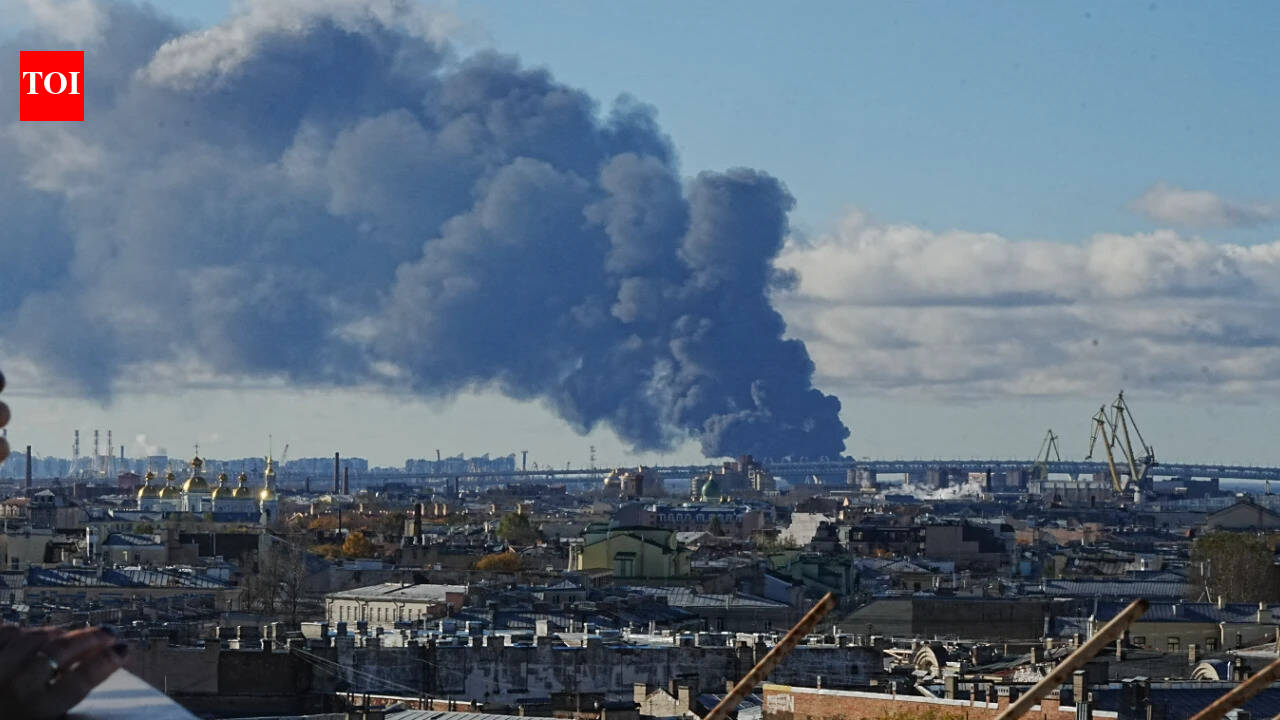
Ukrainian drone strikes on St. Petersburg caused fires at two oil facilities, a logistics center, and a data center, resulting in one death and five injuries. This escalation follows President Zelenskyy's claims of continued Russian attacks on Ukraine's energy sector despite a proposed ceasefire.
Escalation in St. Petersburg: Drone Strikes Target Russian Energy Infrastructure
In a significant escalation of the ongoing conflict, Ukrainian drone operations have successfully reached deep into Russian territory, striking critical infrastructure in St. Petersburg. The overnight attack resulted in fires at the Petersburg Oil Terminal and the Ruchi oil depot, causing at least one fatality and leaving five others injured. These strikes represent a calculated shift in tactical focus, moving beyond frontline combat to target the logistical and energy backbone of the Russian state.
Targeting the Economic and Digital Core
Beyond the primary oil facilities, the coordinated drone strikes also impacted a logistics center owned by Ozon—frequently described as Russia's Amazon—and a data center operated by VKontakte, the Russian equivalent of Facebook. By hitting both energy storage sites and digital infrastructure, the operation demonstrates a multi-faceted approach to disrupting the Russian domestic economy and information environment. The damage to these civilian-commercial hubs highlights the widening scope of the conflict as it penetrates major urban centers.
The Failure of the 'Energy Ceasefire'
This wave of strikes occurs against the backdrop of a fragile and contested 'energy ceasefire.' President Volodymyr Zelenskyy has publicly countered claims of a cessation of hostilities by alleging that Russia has conducted 76 separate attacks on Ukrainian energy infrastructure since the ceasefire was declared by Donald Trump. This discrepancy suggests that the diplomatic framework meant to protect energy assets has failed to materialize on the ground, leading Ukraine to resume its strategy of targeting Russian oil facilities.
Strategic Implications of the 1,000-Drone Count
Russian authorities have reported the interception of over 1,015 drones across their territory, occupied Crimea, and the Black Sea. While the veracity of such high-volume claims is difficult to verify independently, the sheer scale of the reported drone activity indicates a massive surge in aerial warfare. This development suggests that Ukraine is utilizing drone swarms not only for direct damage but also to overwhelm Russian air defense systems, forcing them to distribute their resources across a vast geographic area.
Historical Context and Future Trajectory
Historically, Ukraine had previously paused strikes on Russian oil facilities to limit the main revenue sources of the Kremlin during specific diplomatic windows. However, the resumption of these strikes indicates that Kyiv has abandoned these restraints in response to persistent Russian aggression against its own power grid. Moving forward, the conflict is likely to see further tit-for-tat attacks on energy and data infrastructure, as both nations attempt to degrade the other's ability to sustain long-term military and domestic operations.
Conclusion
The strikes on St. Petersburg mark a volatile new phase in the war. By targeting energy depots and digital infrastructure while simultaneously navigating failed ceasefire agreements, both sides have signaled that the economic cost of the war will continue to rise. As long as the energy infrastructure of Ukraine remains under fire, the strategic targeting of Russian facilities is likely to persist as a primary lever of Ukrainian defense and retaliation.